
通过酶辅助杂交链式反应制备硫化镉纳米颗粒实现基于TiC MXene的外泌体光电化学检测
TiC MXene-anchored photoelectrochemical detection of exosomes by fabrication of CdS nanoparticles with enzyme-assisted hybridization chain reaction.
作者信息
Qiu Zhenli, Fan Dechun, Xue XiangHang, Zhang Jiayi, Xu Jiaolin, Lyu Haixia, Chen Yiting
机构信息
College of Materials and Chemical Engineering, Minjiang University Fuzhou 350108 China
Fujian Engineering and Research Center of New Chinese Lacquer Materials Fuzhou 350108 China.
出版信息
RSC Adv. 2022 May 11;12(22):14260-14267. doi: 10.1039/d2ra01545e. eCollection 2022 May 5.
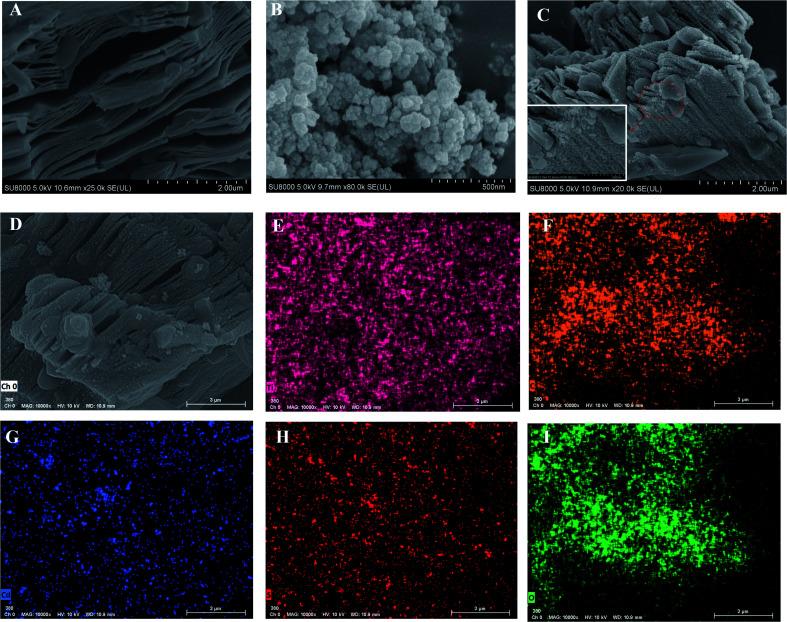
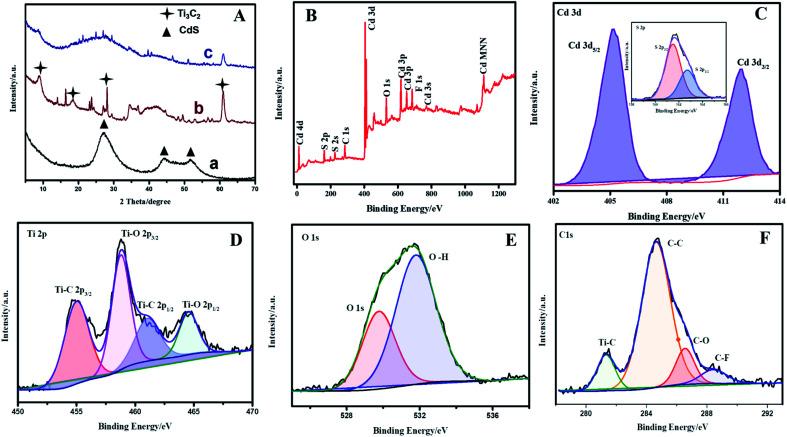
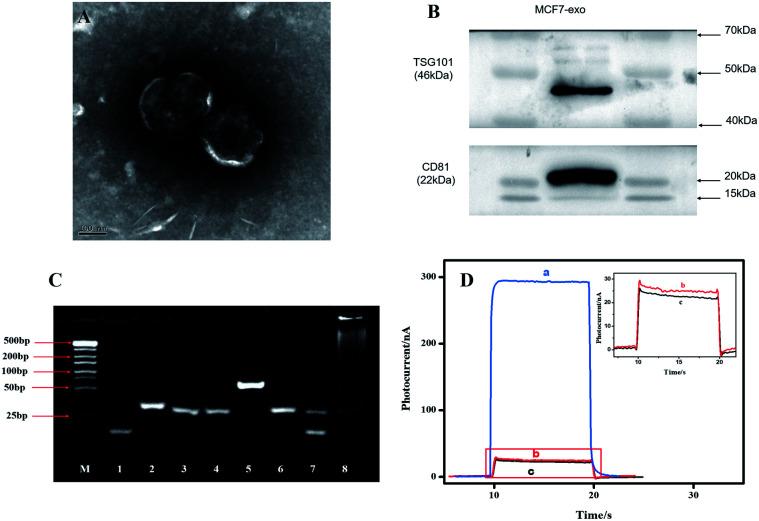
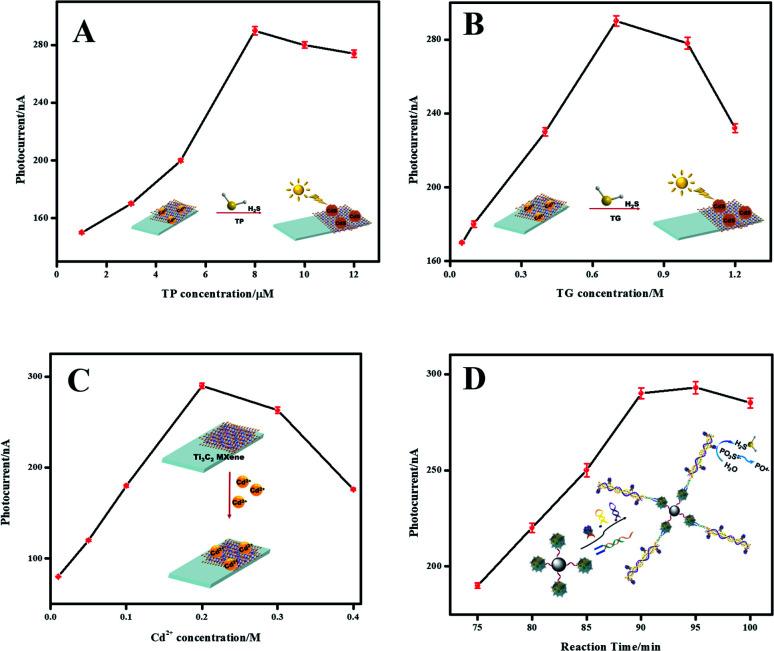
Exosomes that carry large amounts of tumor-specific molecular information have been identified as a potential non-invasive biomarker for early warning of cancer. In this work, we reported an enzyme-assisted photoelectrochemical (PEC) biosensor for quantification of exosomes based on the synthesis of TiC MXene/CdS composites with magnetic separation technology and hybridization chain reaction (HCR). First, exosomes were specifically bound between aptamer-labeled magnetic beads (CD63-MBs) and a cholesterol-labeled DNA anchor. The properly designed anchor ends acted as a trigger to enrich the alkaline phosphatase (ALP) through HCR. It catalyzed more sodium thiophosphate to generate the sulfideion (S), which combined with Cd for fabrication of CdS on TiC MXene resulting in elevated photocurrent. The TiC MXene-anchored PEC method was realized for the quantitative detection of exosomes, which exhibited the dynamic working range from 7.3 × 10 particles per mL to 3.285 × 10 particles per mL with a limit of detection of 7.875 × 10 particles per mL. The strategy showed acceptable stability, high sensitivity, rapid response and excellent selectivity. Furthermore, we believe that the PEC biosensor has huge potential as a routine bioassay method for the precise quantification of exosomes from breast cancer in the future.
携带大量肿瘤特异性分子信息的外泌体已被确定为一种潜在的癌症早期预警非侵入性生物标志物。在这项工作中,我们报道了一种基于酶辅助光电化学(PEC)的生物传感器,用于通过合成TiC MXene/CdS复合材料并结合磁分离技术和杂交链式反应(HCR)对外泌体进行定量分析。首先,外泌体特异性结合在适配体标记的磁珠(CD63-MBs)和胆固醇标记的DNA锚之间。设计得当的锚末端作为触发物,通过HCR富集碱性磷酸酶(ALP)。它催化更多的硫代磷酸钠生成硫离子(S),硫离子与镉结合在TiC MXene上制备CdS,从而导致光电流升高。实现了基于TiC MXene的PEC方法对外泌体的定量检测,其动态工作范围为每毫升7.3×10个颗粒至每毫升3.285×10个颗粒,检测限为每毫升7.875×10个颗粒。该策略表现出可接受的稳定性、高灵敏度、快速响应和优异的选择性。此外,我们相信这种PEC生物传感器作为未来精确量化乳腺癌外泌体的常规生物检测方法具有巨大潜力。


 Zotero 插件