
转录组和代谢组揭示了不同品种长叶肉桂中次生代谢产物的积累。
Transcriptome and metabolome reveal the accumulation of secondary metabolites in different varieties of Cinnamomum longepaniculatum.
机构信息
Faculty of Agriculture, Forestry and Food Engineering, YiBin University, Yibin, 644000, Sichuan, People's Republic of China.
Sichuan Oil Cinnamon Engineering Technology Research Center, Yibin, 644000, Sichuan, People's Republic of China.
出版信息
BMC Plant Biol. 2022 May 18;22(1):243. doi: 10.1186/s12870-022-03637-2.
BACKGROUND
Cinnamomum longepaniculatum (Gamble) N. Chao ex H. W. Li, whose leaves produce essential oils, is a traditional Chinese medicine and economically important tree species. In our study, two C. longepaniculatum varieties that have significantly different essential oil contents and leaf phenotypes were selected as the materials to investigate secondary metabolism.
RESULT
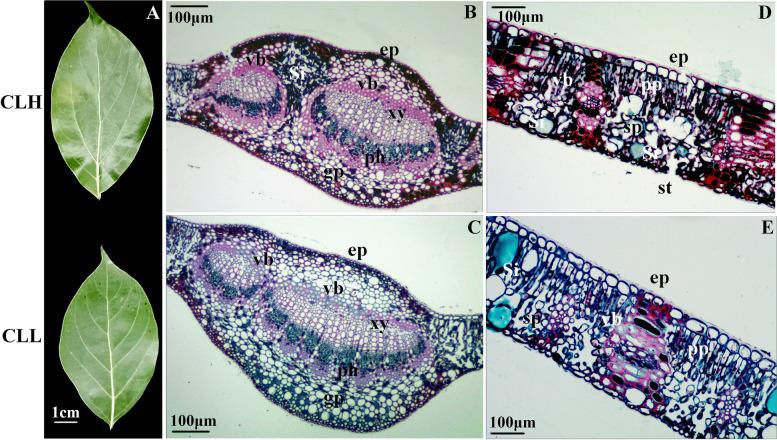
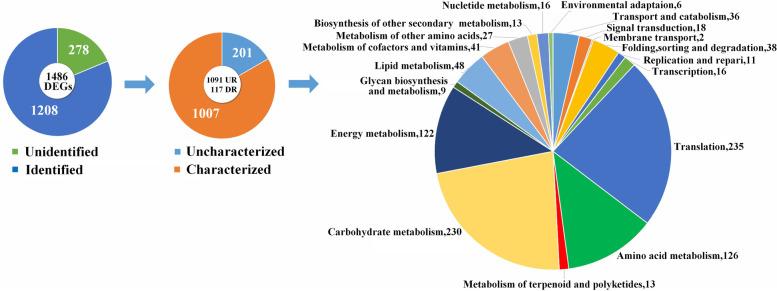
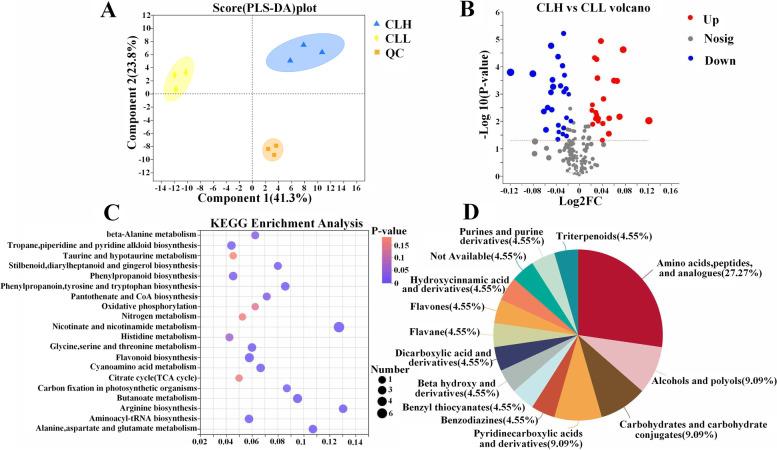
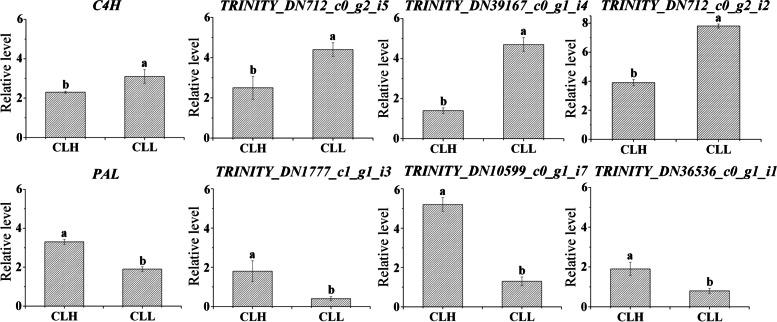
The essential oil content and leaf phenotypes were different between the two varieties. When the results of both transcriptome and metabolomic analyses were combined, it was found that the differences were related to phenylalanine metabolic pathways, particularly the metabolism of flavonoids and terpenoids. The transcriptome results based on KEGG pathway enrichment analysis showed that pathways involving phenylpropanoids, tryptophan biosynthesis and terpenoids significantly differed between the two varieties; 11 DEGs (2 upregulated and 9 downregulated) were associated with the biosynthesis of other secondary metabolites, and 12 DEGs (2 upregulated and 10 downregulated) were related to the metabolism of terpenoids and polyketides. Through further analysis of the leaves, we detected 196 metabolites in C. longepaniculatum. The abundance of 49 (26 downregulated and 23 upregulated) metabolites differed between the two varieties, which is likely related to the differences in the accumulation of these metabolites. We identified 12 flavonoids, 8 terpenoids and 8 alkaloids and identified 4 kinds of PMFs from the leaves of C. longepaniculatum.
CONCLUSIONS
The combined results of transcriptome and metabolomic analyses revealed a strong correlation between metabolite contents and gene expression. We speculate that light leads to differences in the secondary metabolism and phenotypes of leaves of different varieties of C. longepaniculatum. This research provides data for secondary metabolite studies and lays a solid foundation for breeding ideal C. longepaniculatum plants.
背景
肉桂(Cinnamomum longepaniculatum (Gamble) N. Chao ex H. W. Li)的叶子可以产生精油,是一种传统中药和具有重要经济价值的树种。在我们的研究中,选择了两种精油含量和叶片表型差异显著的肉桂品种作为材料,来研究次生代谢。
结果
两种品种的精油含量和叶片表型存在差异。当转录组和代谢组分析的结果相结合时,发现差异与苯丙氨酸代谢途径有关,特别是黄酮类和萜类化合物的代谢。基于 KEGG 途径富集分析的转录组结果表明,涉及苯丙烷类、色氨酸生物合成和萜类化合物的途径在两个品种之间存在显著差异;11 个差异表达基因(2 个上调,9 个下调)与其他次生代谢产物的生物合成有关,12 个差异表达基因(2 个上调,10 个下调)与萜类化合物和聚酮化合物的代谢有关。通过对叶片的进一步分析,我们在肉桂中检测到 196 种代谢物。两种品种之间有 49 种代谢物(26 种下调,23 种上调)的丰度存在差异,这可能与这些代谢物的积累差异有关。我们鉴定了 12 种黄酮类化合物、8 种萜类化合物和 8 种生物碱,并从肉桂叶片中鉴定出 4 种 PMFs。
结论
转录组和代谢组分析的综合结果表明,代谢物含量与基因表达之间存在很强的相关性。我们推测光照导致不同品种肉桂叶片次生代谢和表型的差异。本研究为次生代谢物的研究提供了数据,为培育理想的肉桂品种奠定了基础。


 Zotero 插件