
对基因表达谱进行综合分析,以确定原发性和转移性乳腺癌的差异预后因素。
Comprehensive analysis of gene expression profiles to identify differential prognostic factors of primary and metastatic breast cancer.
作者信息
Albogami Sarah
机构信息
Department of Biotechnology, College of Science, Taif University, P.O. Box 11099, Taif 21944, Saudi Arabia.
出版信息
Saudi J Biol Sci. 2022 Jul;29(7):103318. doi: 10.1016/j.sjbs.2022.103318. Epub 2022 May 23.
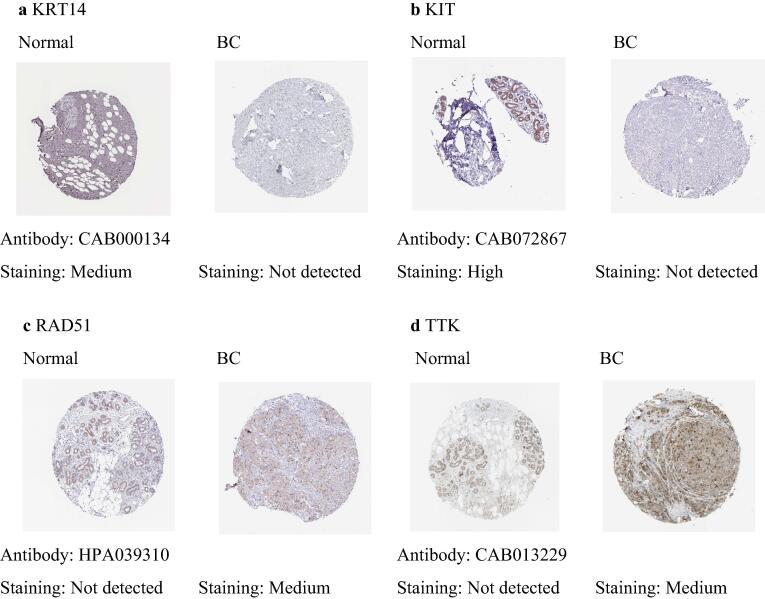
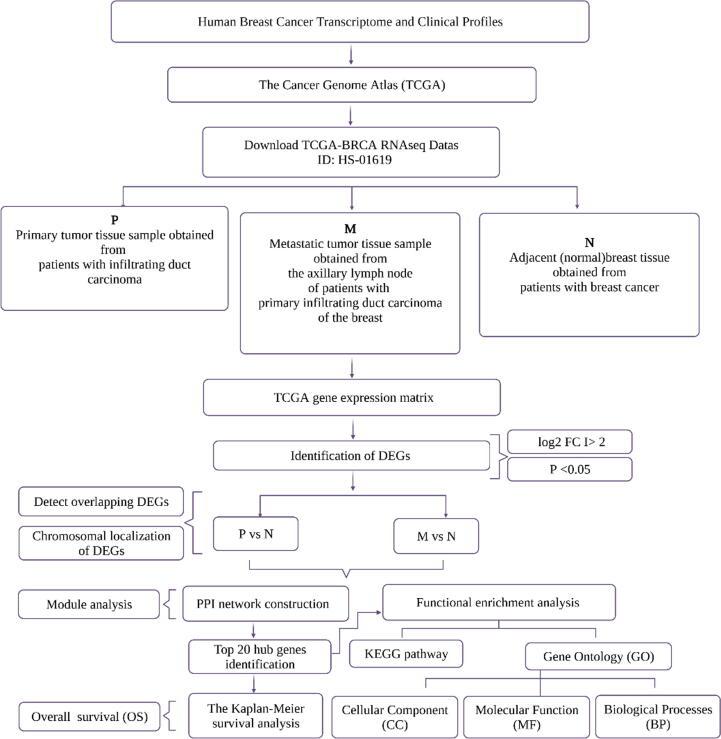
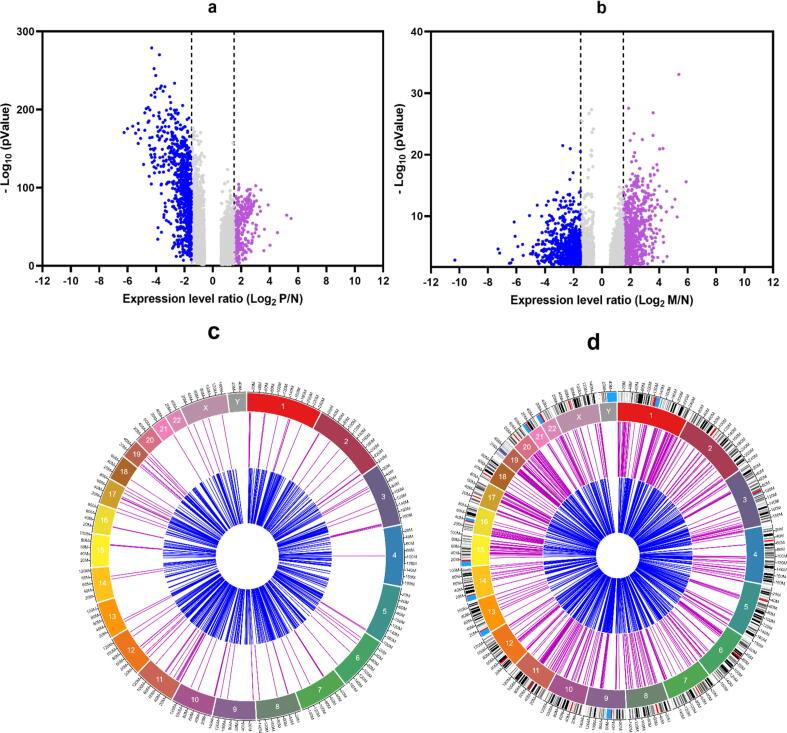
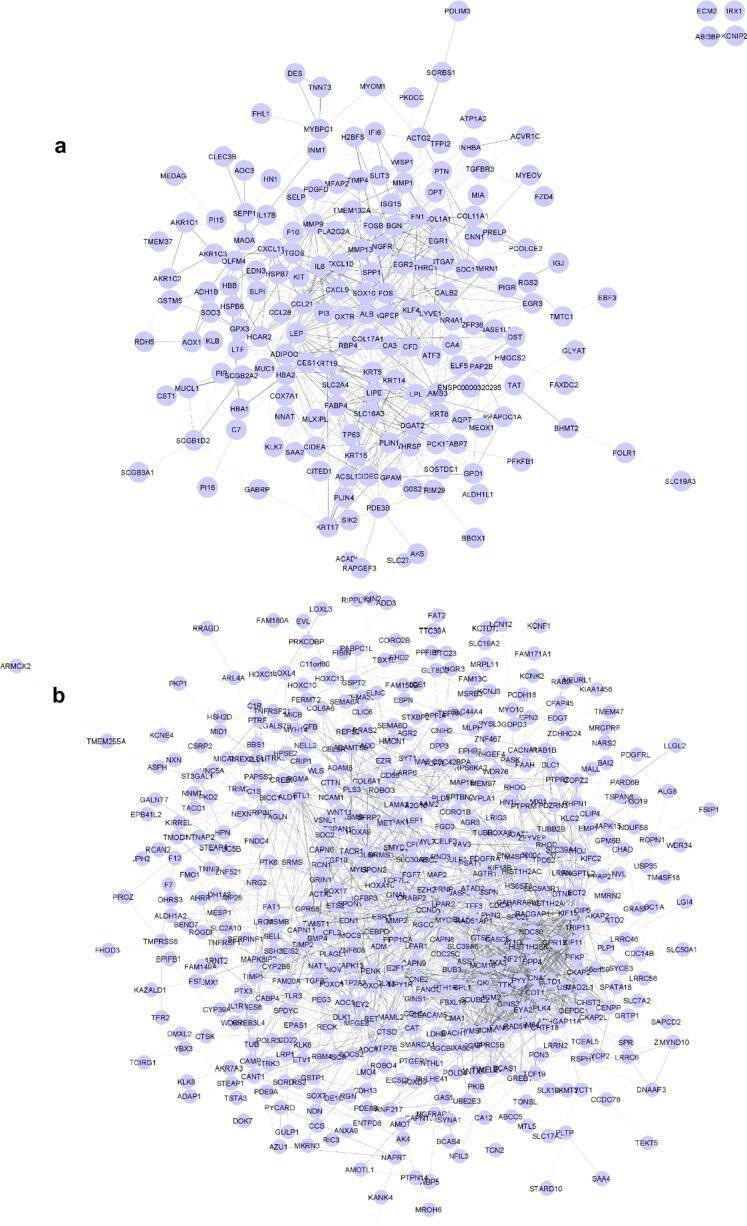
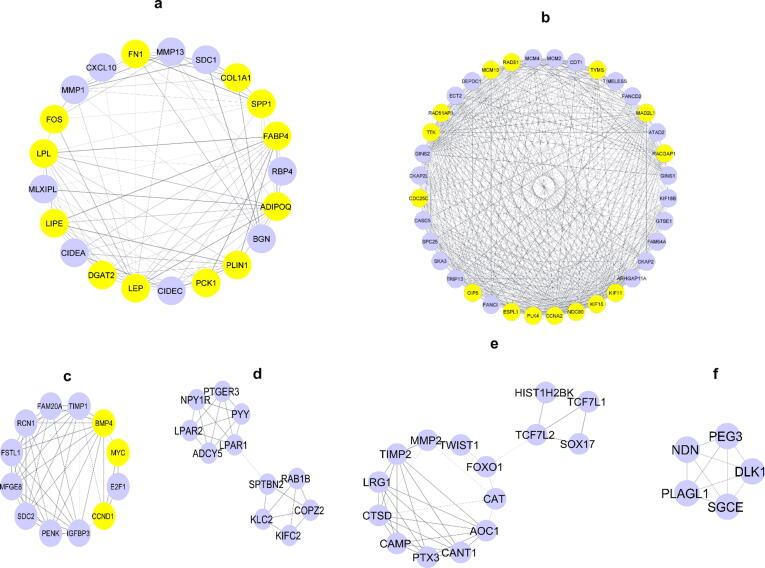
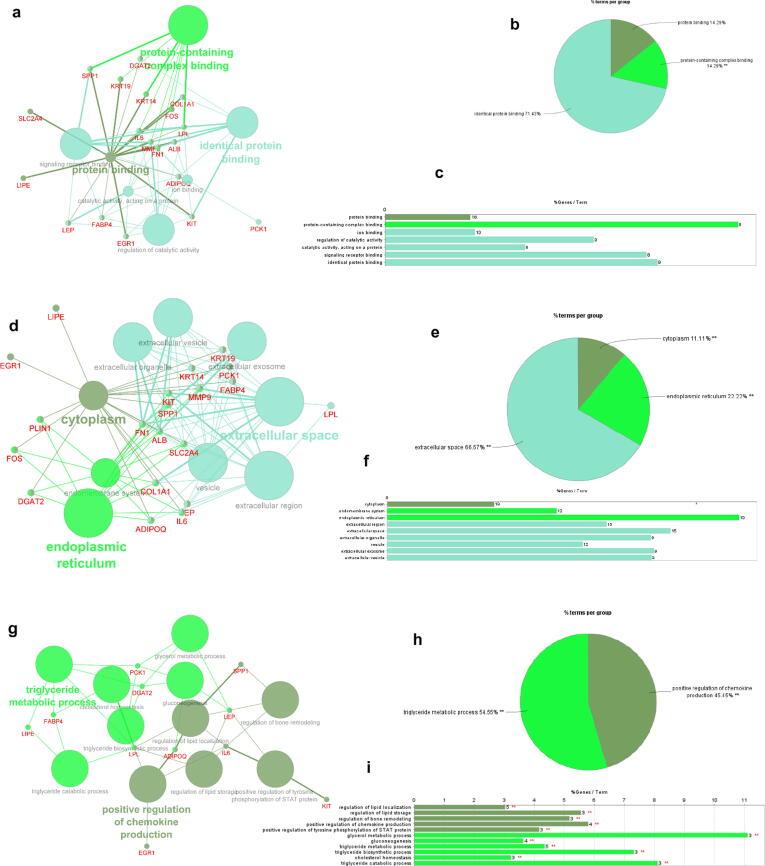
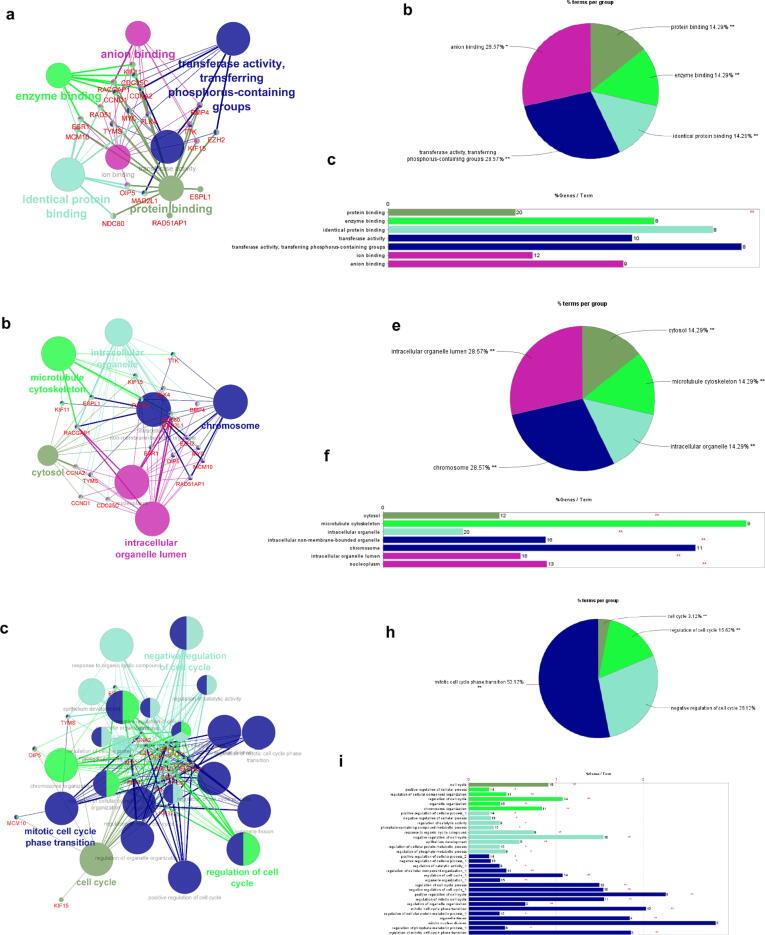
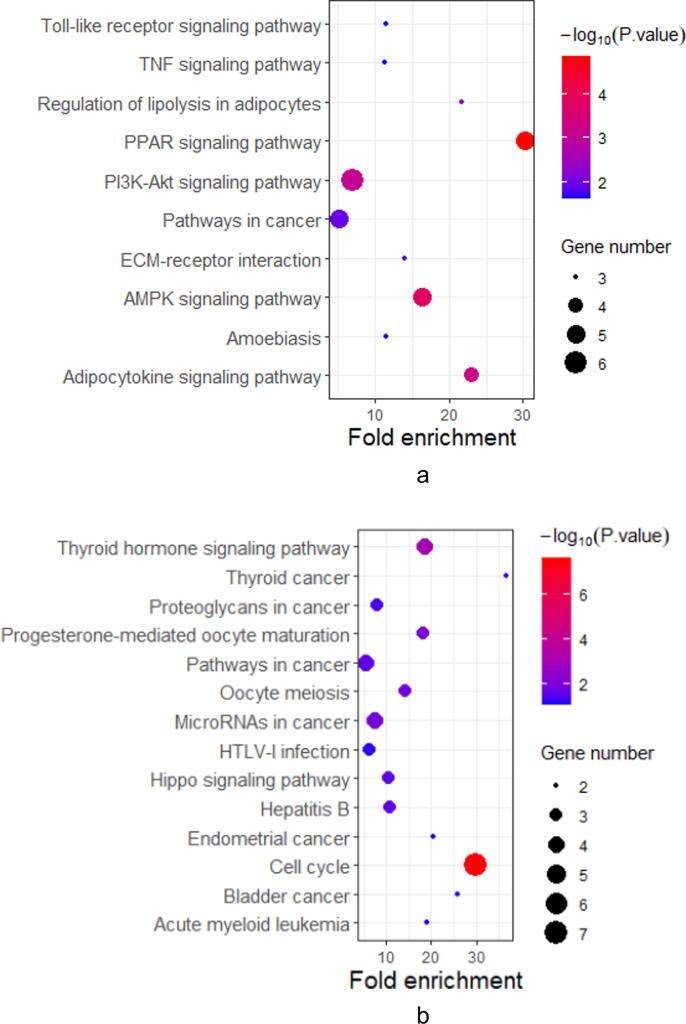
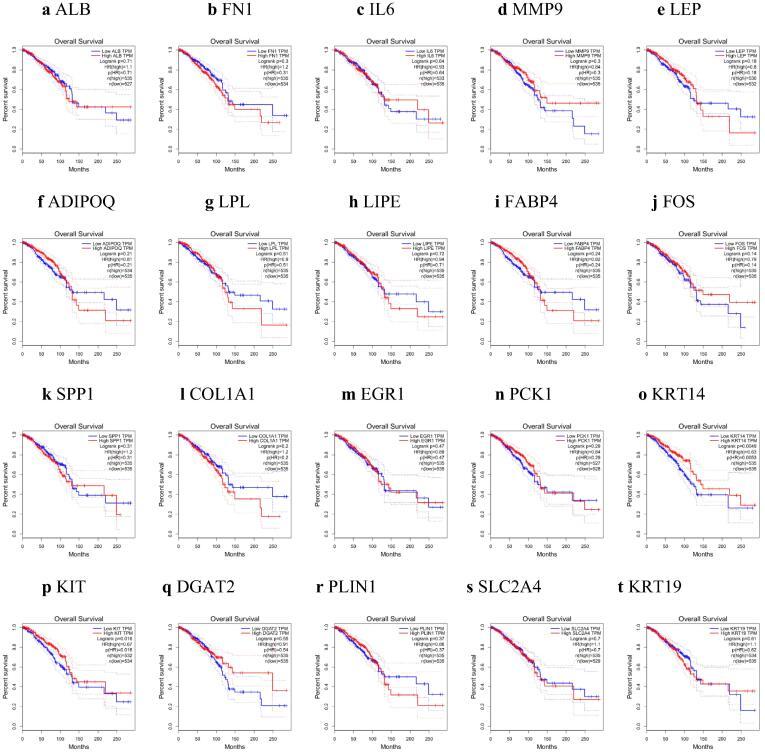
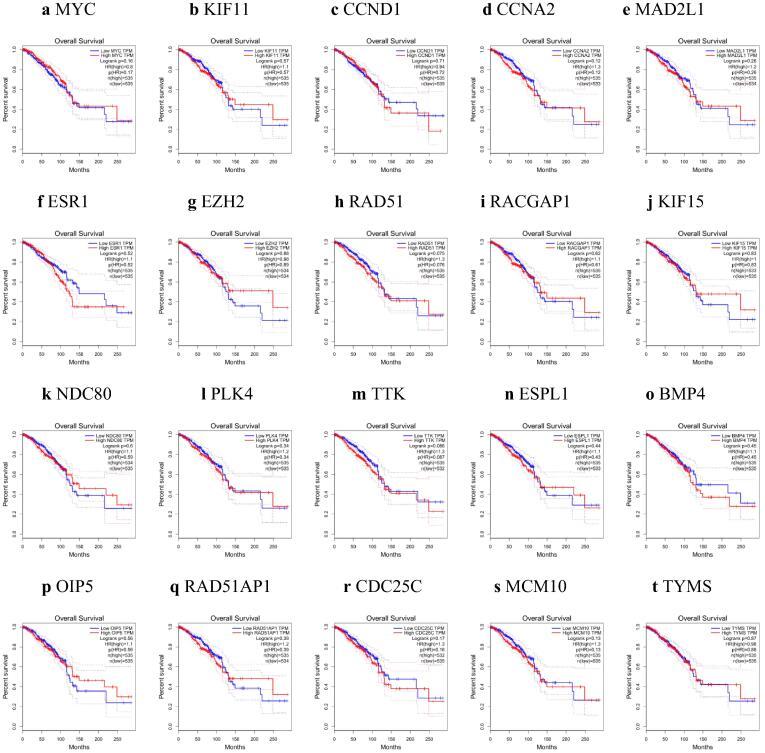
Breast cancer accounts for nearly half of all cancer-related deaths in women worldwide. However, the molecular mechanisms that lead to tumour development and progression remain poorly understood and there is a need to identify candidate genes associated with primary and metastatic breast cancer progression and prognosis. In this study, candidate genes associated with prognosis of primary and metastatic breast cancer were explored through a novel bioinformatics approach. Primary and metastatic breast cancer tissues and adjacent normal breast tissues were evaluated to identify biomarkers characteristic of primary and metastatic breast cancer. The Cancer Genome Atlas-breast invasive carcinoma (TCGA-BRCA) dataset (ID: HS-01619) was downloaded using the mRNASeq platform. Genevestigator 8.3.2 was used to analyse TCGA-BRCA gene expression profiles between the sample groups and identify the differentially-expressed genes (DEGs) in each group. For each group, Gene Ontology and Kyoto Encyclopedia of Genes and Genomes pathway enrichment analyses were used to determine the function of DEGs. Networks of protein-protein interactions were constructed to identify the top hub genes with the highest degree of interaction. Additionally, the top hub genes were validated based on overall survival and immunohistochemistry using The Human Protein Atlas. Of the top 20 hub genes identified, four (, , , and ) were considered as prognostic risk factors based on overall survival. and expression levels were upregulated while those of and were downregulated in patients with breast cancer. The four proposed candidate hub genes might aid in further understanding the molecular changes that distinguish primary breast tumours from metastatic tumours as well as help in developing novel therapeutics. Furthermore, they may serve as effective prognostic risk markers based on the strong correlation between their expression and patient overall survival.
乳腺癌占全球女性所有癌症相关死亡人数的近一半。然而,导致肿瘤发生和进展的分子机制仍知之甚少,因此需要识别与原发性和转移性乳腺癌进展及预后相关的候选基因。在本研究中,通过一种新的生物信息学方法探索了与原发性和转移性乳腺癌预后相关的候选基因。对原发性和转移性乳腺癌组织以及相邻的正常乳腺组织进行评估,以确定原发性和转移性乳腺癌的特征性生物标志物。使用mRNASeq平台下载了癌症基因组图谱-乳腺浸润性癌(TCGA-BRCA)数据集(ID:HS-01619)。使用Genevestigator 8.3.2分析样本组之间的TCGA-BRCA基因表达谱,并识别每组中的差异表达基因(DEG)。对于每组,使用基因本体论和京都基因与基因组百科全书通路富集分析来确定DEG的功能。构建蛋白质-蛋白质相互作用网络以识别具有最高相互作用程度的顶级枢纽基因。此外,使用人类蛋白质图谱基于总生存期和免疫组织化学对顶级枢纽基因进行验证。在鉴定出的前20个枢纽基因中,基于总生存期,四个(、、和)被认为是预后危险因素。在乳腺癌患者中,和的表达水平上调,而和的表达水平下调。提出的这四个候选枢纽基因可能有助于进一步了解区分原发性乳腺肿瘤与转移性肿瘤的分子变化,以及有助于开发新的治疗方法。此外,基于它们的表达与患者总生存期之间的强相关性,它们可能作为有效的预后风险标志物。

 Zotero 插件