
基于纳米材料的荧光传感器的最新进展透视:在食品和饮料安全与质量控制中的应用
Perspective on recent developments of nanomaterial based fluorescent sensors: Applications in safety and quality control of food and beverages.
作者信息
Han Ailing, Hao Sijia, Yang Yayu, Li Xia, Luo Xiaoyu, Fang Guozhen, Liu Jifeng, Wang Shuo
机构信息
State Key Laboratory of Food Nutrition and Safety, College of Food Science and Engineering, Tianjin University of Science and Technology, Tianjin, 300457, PR China.
Research Center of Food Science and Human Health, School of Medicine, Nankai University, Tianjin, 300071, PR China.
出版信息
J Food Drug Anal. 2020 Dec 15;28(4):486-507. doi: 10.38212/2224-6614.1270.
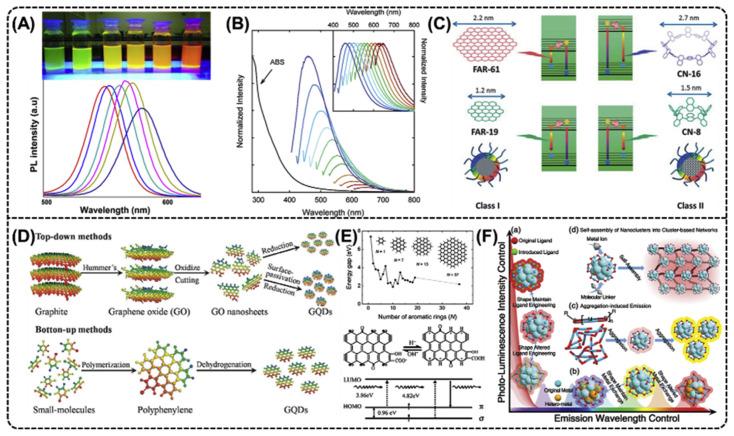
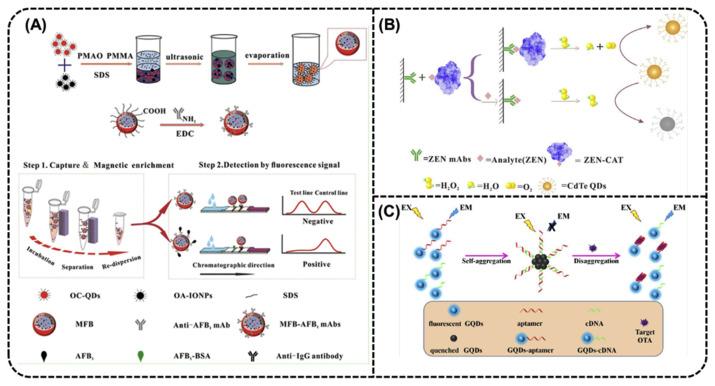
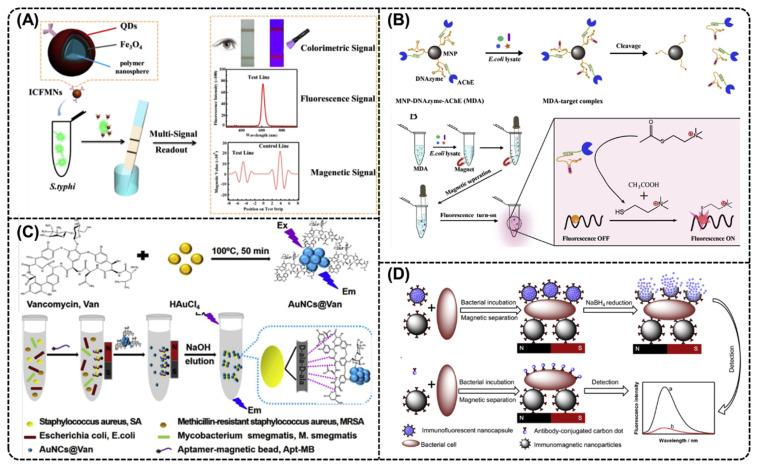
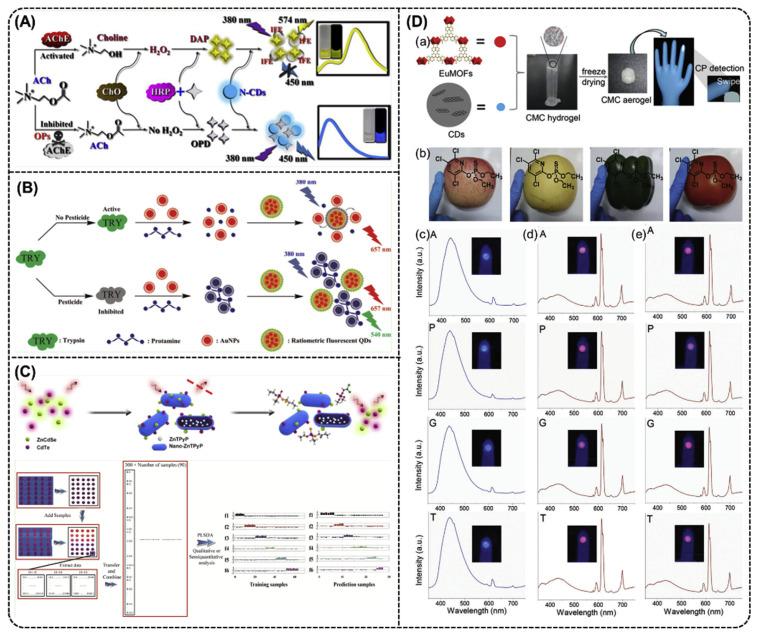
As the highly toxic pollutants will seriously harm human health, it is particularly important to establish the analysis and detection technology of food pollutants. Compared with the traditional detection methods, fluorescent detection techniques based on nanomaterials trigger wide interesting because of reduced detection time, simple operation, high sensitivity and selectivity, and economic. In this review, the application of fluorescent sensors in food pollutants detection is presented. Firstly, conventional fluorescent nanomaterials including metal-based quantum dots, carbon dots, graphene quantum dots and metal nanoclusters were summarized, with emphasis on the photoluminescence mechanism. Then, the fluorescence sensors based on these nanomaterials for food pollutants detection were discussed, involving in the established methods, sensor mechanisms, sensitivity, selectivity, and practicability of fluorescence sensors. The selected analytes focus on five types of higher toxic food pollutants, including mycotoxins, foodborne pathogens, pesticide residues, antibiotic residues, and heavy metal ions. Finally, outlook on the future and potential development of fluorescence detection technology in the field of food science were proposed, including green synthesis and reusability of fluorescence probes, large-scale industrialization of sensors, nondestructive testing of samples and degradation of harmful substances.
由于高毒性污染物会严重危害人类健康,因此建立食品污染物的分析检测技术尤为重要。与传统检测方法相比,基于纳米材料的荧光检测技术因检测时间短、操作简单、灵敏度和选择性高以及经济实惠而引发了广泛关注。在这篇综述中,介绍了荧光传感器在食品污染物检测中的应用。首先,总结了包括金属基量子点、碳点、石墨烯量子点和金属纳米簇在内的传统荧光纳米材料,重点阐述了光致发光机制。然后,讨论了基于这些纳米材料的用于食品污染物检测的荧光传感器,涉及已建立的方法、传感器机制、灵敏度、选择性以及荧光传感器的实用性。所选择的分析物集中于五种毒性较高的食品污染物,包括霉菌毒素、食源性病原体、农药残留、抗生素残留和重金属离子。最后,对荧光检测技术在食品科学领域的未来及潜在发展进行了展望,包括荧光探针的绿色合成与可重复使用性、传感器的大规模工业化、样品的无损检测以及有害物质的降解。



 Zotero 插件