
芳香烃受体激活可减轻小鼠自身免疫性肝炎:单细胞 RNA-Seq 分析揭示肝脏中独特的免疫细胞表型和基因表达变化。
AhR Activation Leads to Attenuation of Murine Autoimmune Hepatitis: Single-Cell RNA-Seq Analysis Reveals Unique Immune Cell Phenotypes and Gene Expression Changes in the Liver.
机构信息
Department of Pathology, Microbiology, and Immunology, University of South Carolina School of Medicine, Columbia, SC, United States.
出版信息
Front Immunol. 2022 Jun 3;13:899609. doi: 10.3389/fimmu.2022.899609. eCollection 2022.
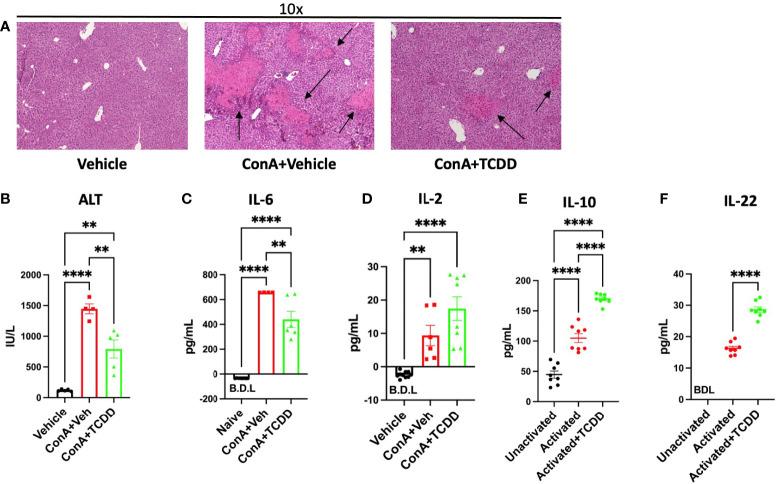
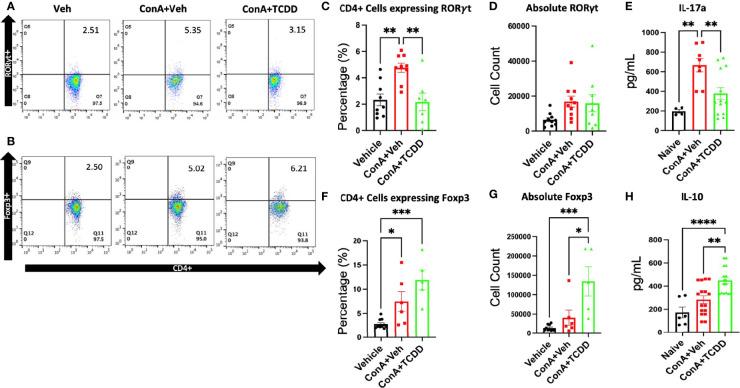
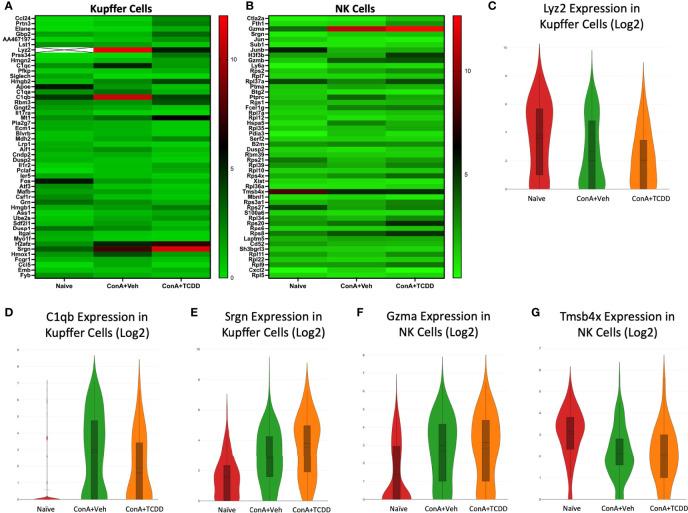
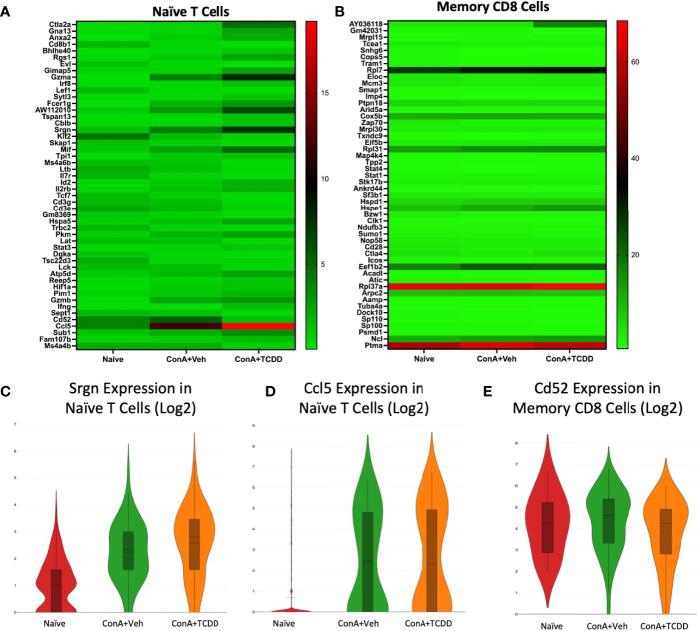
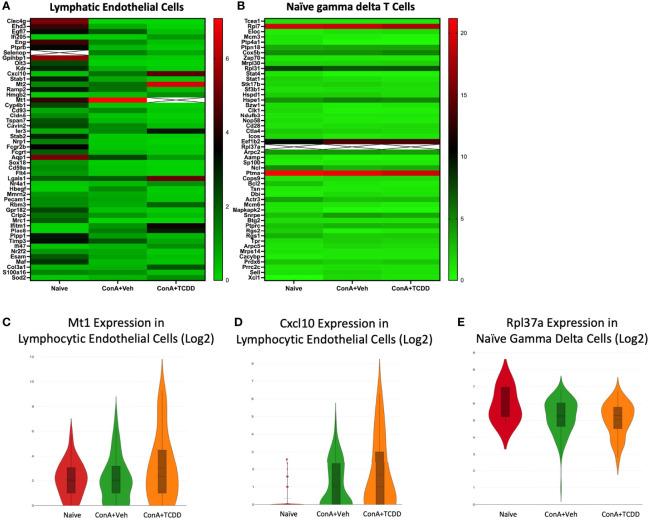
The aryl hydrocarbon receptor (AhR) is a ubiquitously expressed ligand-activated transcription factor. While initially identified as an environmental sensor, this receptor has been shown more recently to regulate a variety of immune functions. AhR ligands vary in structure and source from environmental chemicals such as 2,3,7,8-Tetrachlorodibenzo-p-dioxin (TCDD) and indoles found in cruciferous vegetables to endogenous ligands derived from tryptophan metabolism. In the current study, we used TCDD, a high affinity AhR ligand to study the impact of AhR activation in the murine model of autoimmune hepatitis (AIH). Primarily, we used single-cell RNA-sequencing (scRNA-seq) technology to study the nature of changes occurring in the immune cells in the liver at the cellular and molecular level. We found that AhR activation attenuated concanavalin A (ConA)-induced AIH by limiting chemotaxis of pro-inflammatory immune cell subsets, promoting anti-inflammatory cytokine production, and suppressing pro-inflammatory cytokine production. scRNA-seq analysis showed some unusual events upon ConA injection such as increased presence of mature B cells, natural killer (NK) T cells, CD4+ or CD8+ T cells, Kupffer cells, memory CD8+ T cells, and activated T cells while TCDD treatment led to the reversal of most of these events. Additionally, the immune cells showed significant alterations in the gene expression profiles. Specifically, we observed downregulation of inflammation-associated genes including , , and in TCDD-treated AIH mice as well as alterations in the expression of migratory markers such as . Together, the current study characterizes the nature of inflammatory changes occurring in the liver during AIH, and sheds light on how AhR activation during AIH attenuates liver inflammation by inducing phenotypic and genotypic changes in immune cells found in the liver.
芳香烃受体 (AhR) 是一种广泛表达的配体激活转录因子。虽然最初被鉴定为环境传感器,但最近发现该受体可调节多种免疫功能。AhR 配体在结构和来源上有所不同,既有环境化学物质,如 2,3,7,8-四氯二苯并对二恶英 (TCDD) 和十字花科蔬菜中的吲哚,也有来自色氨酸代谢的内源性配体。在本研究中,我们使用 TCDD,一种高亲和力的 AhR 配体,研究 AhR 激活在自身免疫性肝炎 (AIH) 小鼠模型中的影响。首先,我们使用单细胞 RNA 测序 (scRNA-seq) 技术在细胞和分子水平上研究肝脏中免疫细胞发生变化的性质。我们发现 AhR 激活通过限制促炎免疫细胞亚群的趋化作用、促进抗炎细胞因子的产生和抑制促炎细胞因子的产生,从而减轻伴刀豆球蛋白 A (ConA) 诱导的 AIH。scRNA-seq 分析显示,ConA 注射后会发生一些不寻常的事件,例如成熟 B 细胞、自然杀伤 (NK) T 细胞、CD4+或 CD8+T 细胞、枯否细胞、记忆 CD8+T 细胞和活化 T 细胞的数量增加,而 TCDD 处理导致大多数这些事件逆转。此外,免疫细胞的基因表达谱发生了显著改变。具体来说,我们观察到在 TCDD 处理的 AIH 小鼠中,炎症相关基因,如 和 ,以及迁移标志物,如 的表达下调,同时也观察到迁移标志物表达的改变。总之,本研究描述了 AIH 期间肝脏中发生的炎症变化的性质,并揭示了 AIH 期间 AhR 激活如何通过诱导肝脏中免疫细胞的表型和基因型变化来减轻肝脏炎症。





 Zotero 插件