
用于可持续包装应用的双改性木薯淀粉基可生物降解泡沫的制备与表征
Preparation and Characterization of Dual-Modified Cassava Starch-Based Biodegradable Foams for Sustainable Packaging Applications.
作者信息
Amaraweera Sumedha M, Gunathilake Chamila, Gunawardene Oneesha H P, Dassanayake Rohan S, Fernando Nimasha M L, Wanninayaka Drashana B, Rajapaksha Suranga M, Manamperi Asanga, Gangoda Mahinda, Manchanda Amanpreet, Fernando Chakrawarthige A N, Kulatunga Asela K, Manipura Aruna
机构信息
Department of Manufacturing and Industrial Engineering, Faculty of Engineering, University of Peradeniya, Peradeniya 20400, Sri Lanka.
Department of Chemical and Process Engineering, Faculty of Engineering, University of Peradeniya, Peradeniya 20400, Sri Lanka.
出版信息
ACS Omega. 2022 Jun 1;7(23):19579-19590. doi: 10.1021/acsomega.2c01292. eCollection 2022 Jun 14.
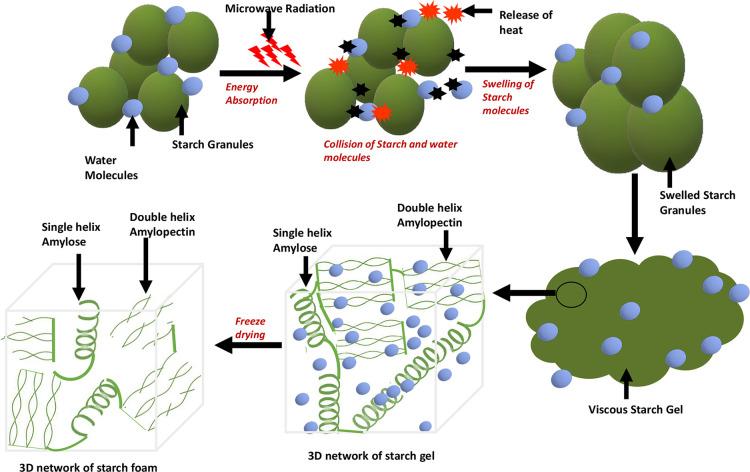
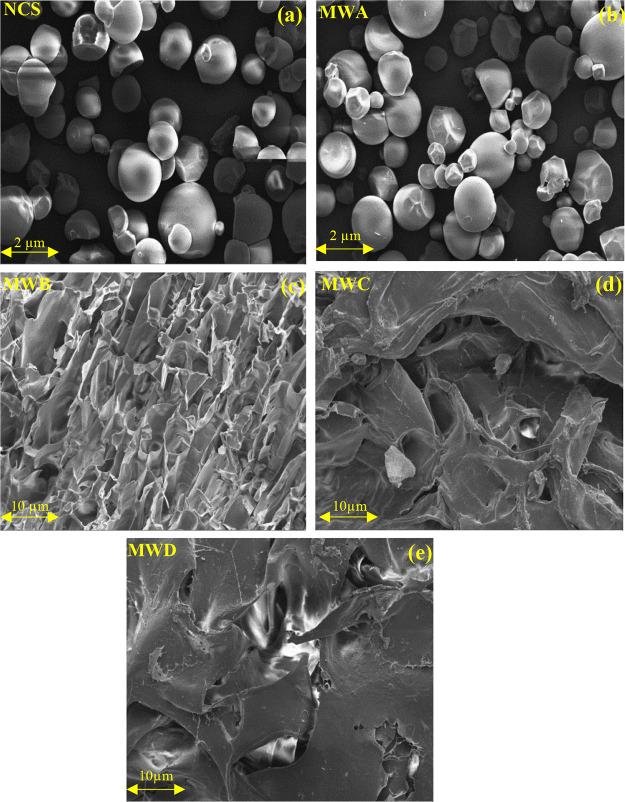
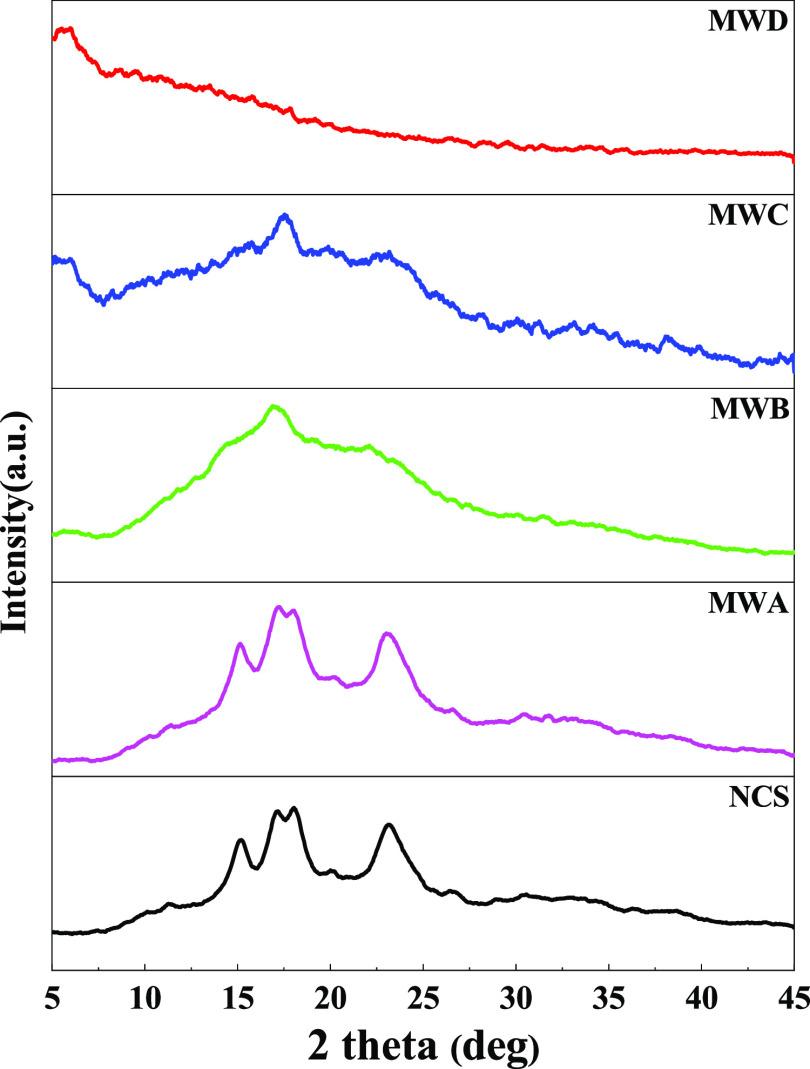
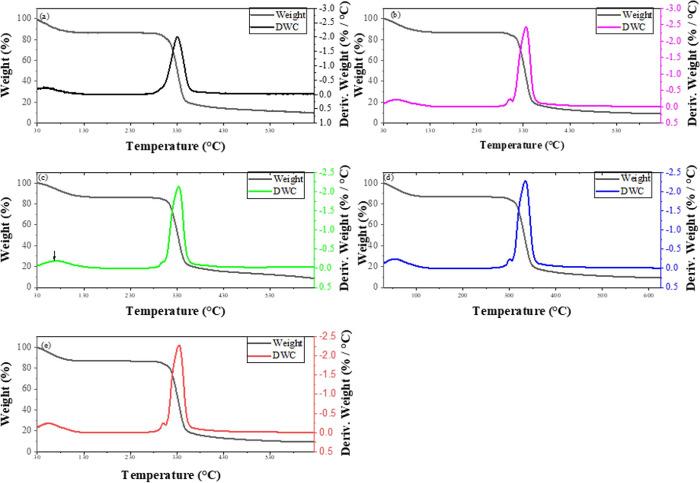
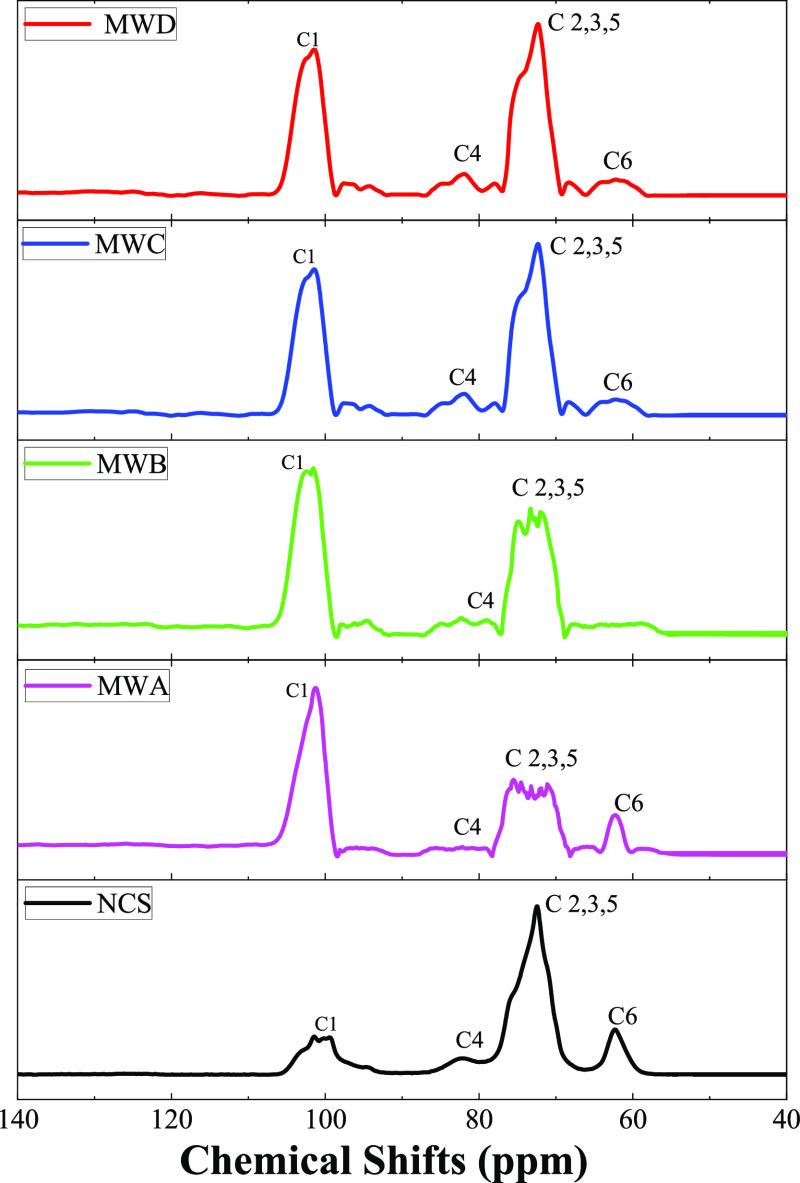
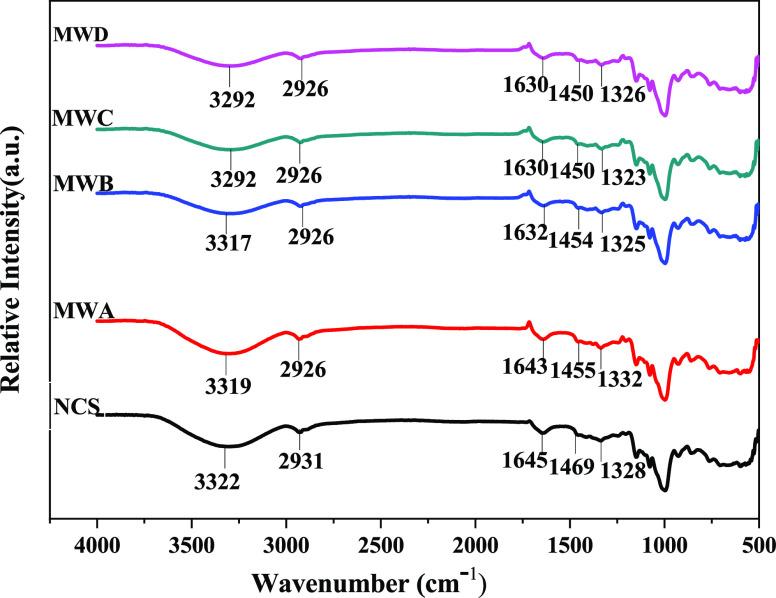
Starch and its derivatives have recently emerged as a sustainable and renewable alternative for petroleum-based expanded polystyrene (EPS) and expanded polypropylene (EPP) foam materials. In this study, biodegradable foam materials were prepared from cassava starch using a novel dual modification technique, combining microwave treatment and freeze-drying. The foam materials were prepared from starch solutions microwaved over different intervals. The starch-based foam materials were characterized using Fourier transform infrared (FTIR) spectroscopy, thermogravimetric analysis (TGA), X-ray diffraction (XRD), scanning electron microscopy (SEM), C nuclear magnetic resonance (C-NMR) spectroscopy, and compression set test. Moreover, the water absorption capacities and density values of the foam materials were measured according to ASTM standards. The biodegradability test was carried out according to the aerobic compost environment test. The lowest water absorption capacities of 65.56% and 70.83% were exhibited for the cassava starch foam sample (MWB) prepared at a 20 s microwave treatment time and immersed in distilled water for 2 and 24 h, respectively. Furthermore, the lightweight cassava starch-based foam materials displayed density ranging from 124 to 245 kg/m. The biodegradation test exhibited significant biodegradation of over 50% after 15 days for all the foam materials prepared. These results suggest that the dual-modified cassava starch-based biodegradable foams show potential in sustainable packaging applications by replacing petroleum-based materials.
淀粉及其衍生物最近已成为一种可持续且可再生的材料,可替代石油基的发泡聚苯乙烯(EPS)和发泡聚丙烯(EPP)泡沫材料。在本研究中,采用微波处理和冷冻干燥相结合的新型双重改性技术,由木薯淀粉制备了可生物降解的泡沫材料。泡沫材料由在不同时间间隔进行微波处理的淀粉溶液制备而成。使用傅里叶变换红外(FTIR)光谱、热重分析(TGA)、X射线衍射(XRD)、扫描电子显微镜(SEM)、碳核磁共振(C-NMR)光谱以及压缩永久变形测试对淀粉基泡沫材料进行了表征。此外,根据ASTM标准测量了泡沫材料的吸水能力和密度值。按照好氧堆肥环境试验进行了生物降解性测试。在20秒微波处理时间制备并分别浸泡在蒸馏水中2小时和24小时的木薯淀粉泡沫样品(MWB),其最低吸水能力分别为65.56%和70.83%。此外,轻质的木薯淀粉基泡沫材料的密度范围为124至245千克/立方米。对于所有制备的泡沫材料,生物降解试验表明在15天后有超过50%的显著生物降解。这些结果表明,双重改性的木薯淀粉基可生物降解泡沫在替代石油基材料用于可持续包装应用方面具有潜力。


 Zotero 插件