
基质长度和培养时间对来自[具体来源未给出]和花生秸秆的菌丝体基缓冲材料物理和力学性能的影响。
The Effects of the Substrate Length and Cultivation Time on the Physical and Mechanical Properties of Mycelium-Based Cushioning Materials from and Peanut Straw.
作者信息
Song Xiaowen, Chen Shuoye, Wu Jianxin, Cai Ziyi, Zhang Yanfeng, Na Risu, Lv He, He Cong, Wu Tingting, Wang Xiulun
机构信息
College of Mechanical Engineering, Inner Mongolia University of Technology, Hohhot 010051, China.
Inner Mongolia Key Laboratory of Robotics and Intelligent Equipment Technology, Inner Mongolia University of Technology, Hohhot 010051, China.
出版信息
Biomimetics (Basel). 2025 Jun 5;10(6):371. doi: 10.3390/biomimetics10060371.
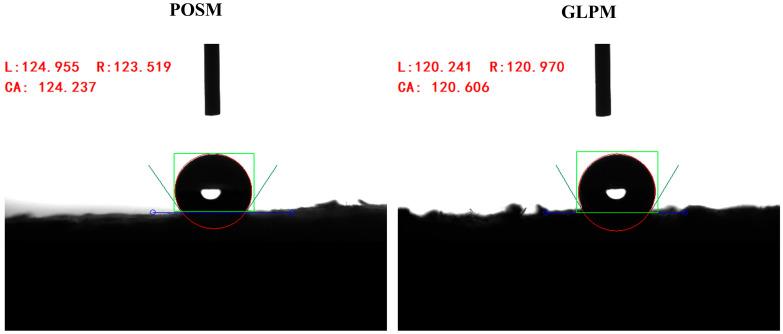
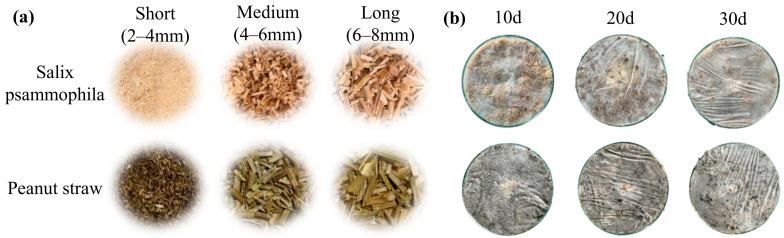
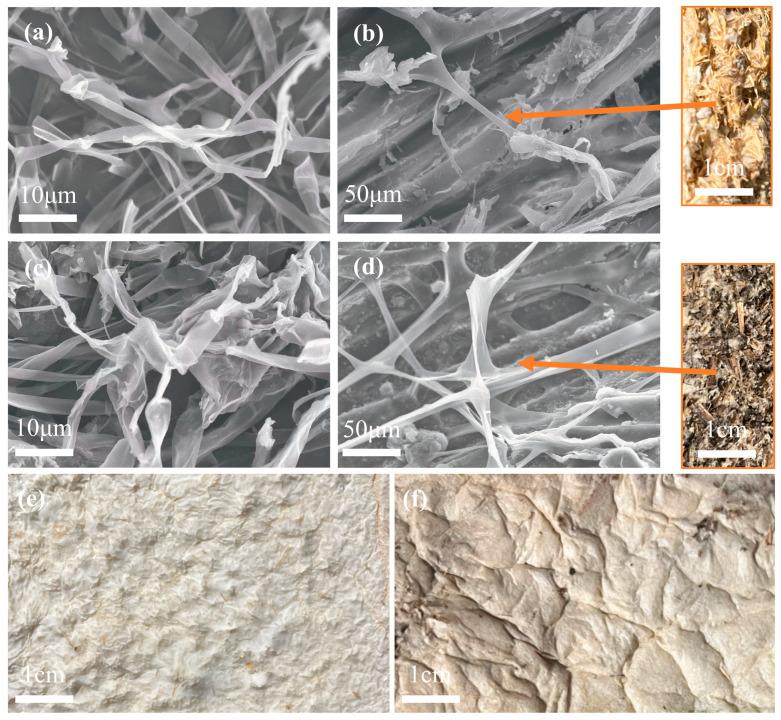
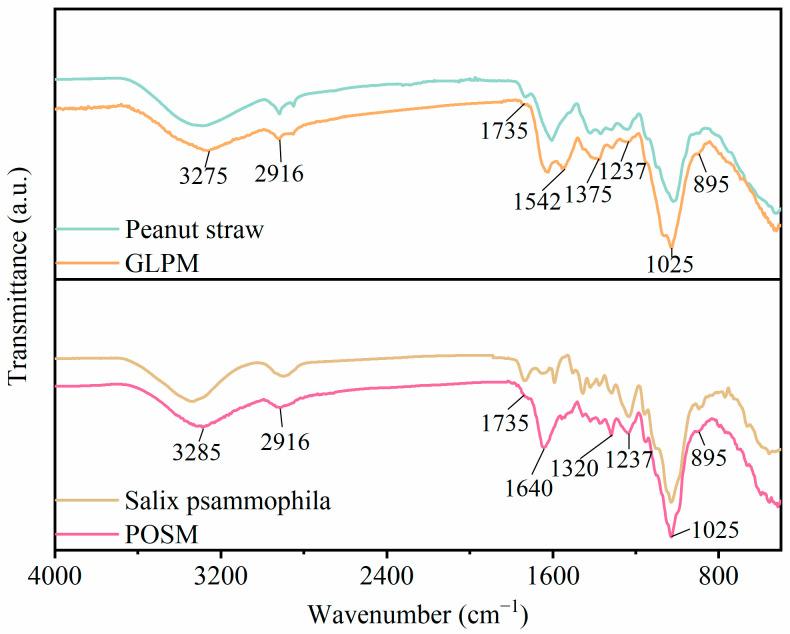
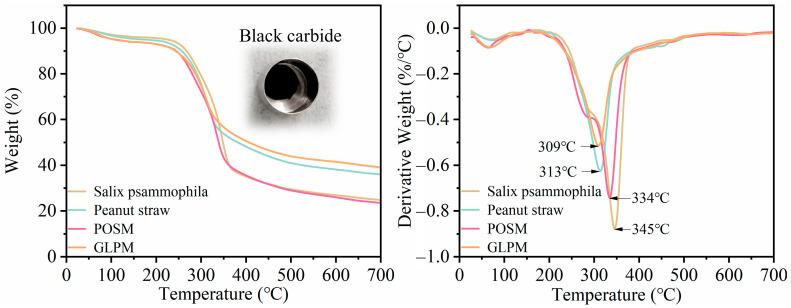
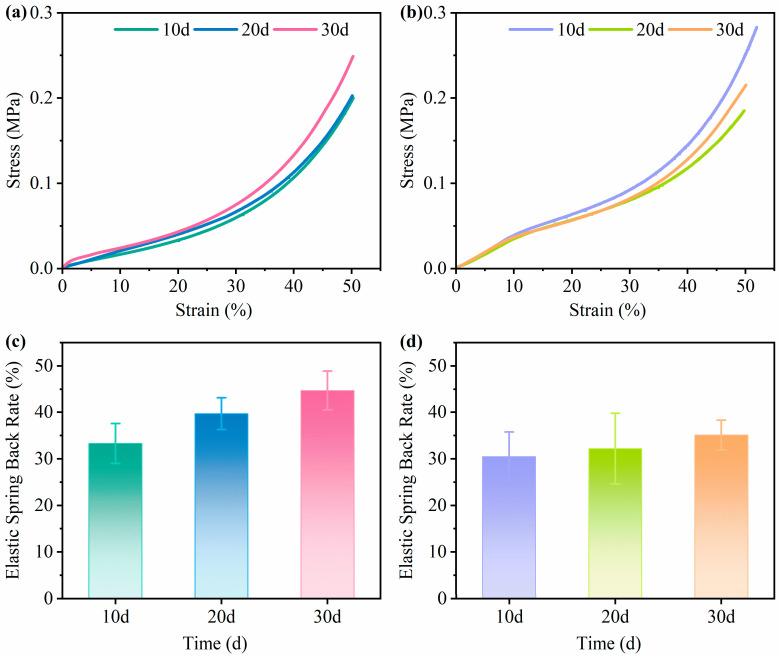
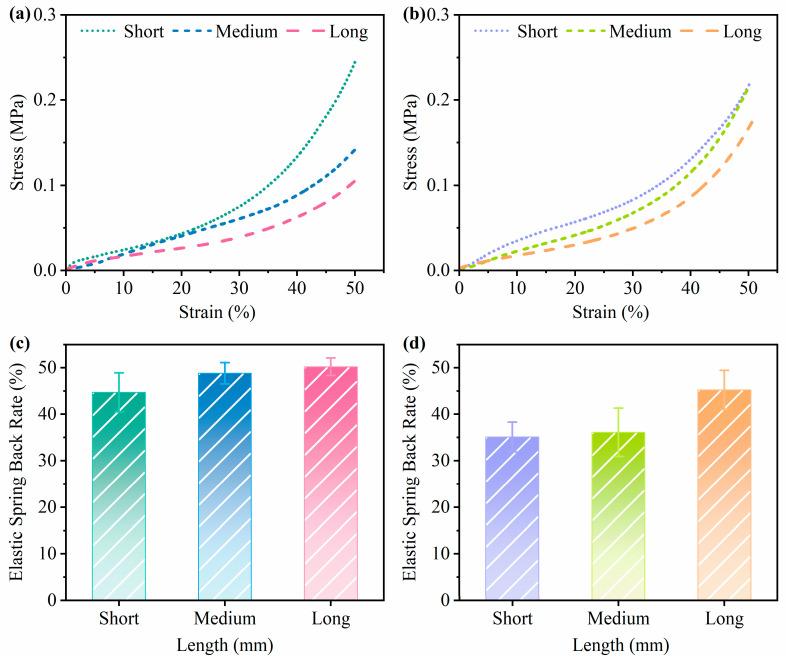
Mycelium-based biocomposites represent a novel class of environmentally friendly materials. This study investigated the potential of using and peanut straw as substrates for cultivating and , respectively, to fabricate mycelium-based cushioning materials. The results demonstrated that the -based cushion material using (POSM) outperformed the -based cushion material using peanut straw (GLPM) in terms of overall performance. Both materials presented optimal comprehensive properties when the cultivation period reached 30 days. Increasing the substrate length enhanced most of the material properties. The resulting density ranged from 0.13 to 0.16 g/cm, which was higher than that of polystyrene foam. The contact angles of both materials exceeded 120°, whereas their elastic springback rates reached 50.2% and 43.2%, and their thermal conductivities were 0.049 W/m·K and 0.051 W/m·K, respectively. Additionally, thermogravimetric analysis revealed that both materials exhibited similar thermal degradation behavior and relatively high thermal stability. These findings align with those of previous studies on mycelium composites and indicate that the physical and mechanical properties of the materials are largely comparable to those of expanded polystyrene (EPS). In conclusion, the developed mycelium-based cushioning materials promote the efficient utilization of agricultural residues and hold promise as a sustainable alternative to EPS, offering broad application prospects in the transportation and packaging sectors.
基于菌丝体的生物复合材料是一类新型的环保材料。本研究分别考察了以[具体物质1]和花生秸秆为底物培养[具体真菌1]和[具体真菌2],以制备基于菌丝体的缓冲材料的潜力。结果表明,使用[具体物质1]的基于[具体真菌1]的缓冲材料(POSM)在整体性能上优于使用花生秸秆的基于[具体真菌2]的缓冲材料(GLPM)。当培养期达到30天时,两种材料均呈现出最佳综合性能。增加底物长度提高了大多数材料性能。所得密度范围为0.13至0.16 g/cm³,高于聚苯乙烯泡沫。两种材料的接触角均超过120°,而它们的弹性回弹率分别达到50.2%和43.2%,热导率分别为0.049 W/m·K和0.051 W/m·K。此外,热重分析表明,两种材料表现出相似的热降解行为和相对较高的热稳定性。这些发现与先前关于菌丝体复合材料的研究结果一致,表明这些材料的物理和机械性能在很大程度上与发泡聚苯乙烯(EPS)相当。总之,所开发的基于菌丝体的缓冲材料促进了农业废弃物的高效利用,有望作为EPS的可持续替代品,在运输和包装领域具有广阔的应用前景。


 Zotero 插件