
大型海藻生物塑料:向减轻石油基塑料生态影响的可持续转变。
Macroalgae Bioplastics: A Sustainable Shift to Mitigate the Ecological Impact of Petroleum-Based Plastics.
作者信息
Elkaliny Nehal E, Alzamel Nurah M, Moussa Shaaban H, Elodamy Nour I, Madkor Engy A, Ibrahim Esraa M, Elshobary Mostafa E, Ismail Gehan A
机构信息
Botany and Microbiology Department, Faculty of Science, Tanta University, Tanta 31527, Egypt.
Department of Biology, College of Science and Humanities, Shaqra University, Shaqra 11961, Saudi Arabia.
出版信息
Polymers (Basel). 2024 Apr 29;16(9):1246. doi: 10.3390/polym16091246.
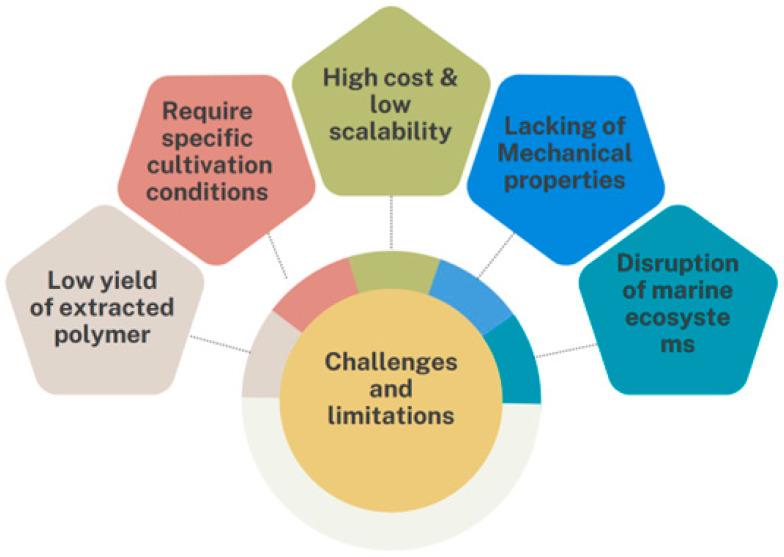
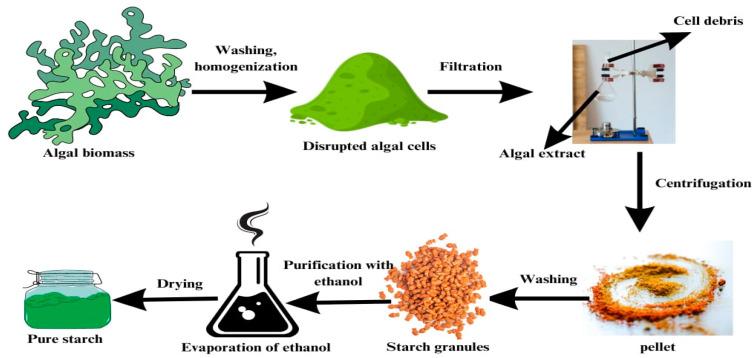
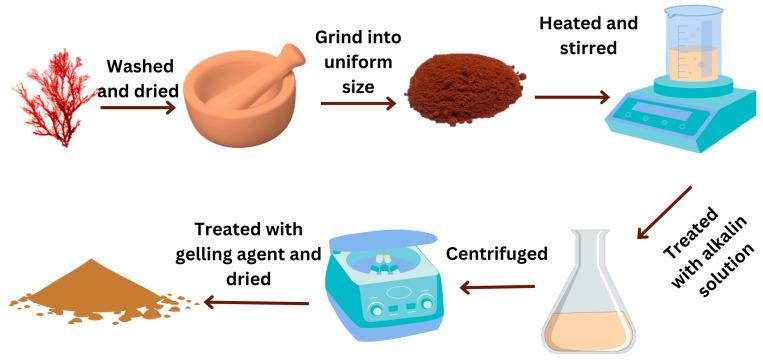
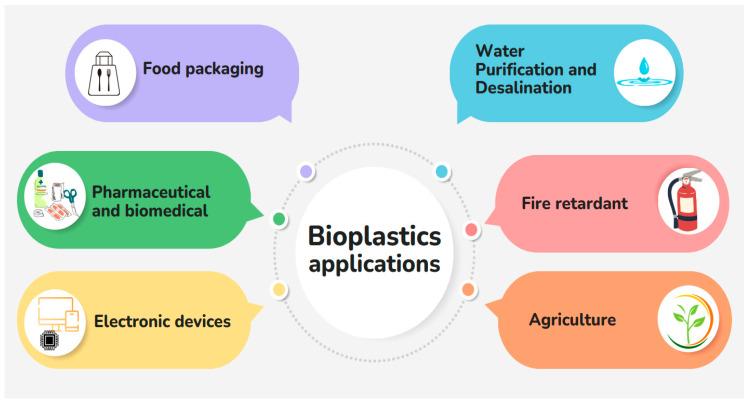
The surge in global utilization of petroleum-based plastics, which notably heightened during the COVID-19 pandemic, has substantially increased its harm to ecosystems. Considering the escalating environmental impact, a pivotal shift towards bioplastics usage is imperative. Exploring and implementing bioplastics as a viable alternative could mitigate the ecological burden posed by traditional plastics. Macroalgae is a potential feedstock for the production of bioplastics due to its abundance, fast growth, and high cellulose and sugar content. Researchers have recently explored various methods for extracting and converting macroalgae into bioplastic. Some of the key challenges in the production of macroalgae bioplastics are the high costs of large-scale production and the need to optimize the extraction and conversion processes to obtain high-quality bioplastics. However, the potential benefits of using macroalgae for bioplastic production include reducing plastic waste and greenhouse gas emissions, using healthier materials in various life practices, and developing a promising area for future research and development. Also, bioplastic provides job opportunities in free enterprise and contributes to various applications such as packaging, medical devices, electronics, textiles, and cosmetics. The presented review aims to discuss the problem of petroleum-based plastic, bioplastic extraction from macroalgae, bioplastic properties, biodegradability, its various applications, and its production challenges.
在新冠疫情期间显著加剧的全球对石油基塑料的使用激增,已大幅增加了其对生态系统的危害。鉴于环境影响不断升级,向生物塑料使用的关键转变势在必行。探索并采用生物塑料作为可行替代方案,可减轻传统塑料造成的生态负担。大型藻类因其数量丰富、生长迅速以及纤维素和糖分含量高,是生产生物塑料的潜在原料。研究人员最近探索了多种将大型藻类提取并转化为生物塑料的方法。大型藻类生物塑料生产中的一些关键挑战包括大规模生产成本高昂,以及需要优化提取和转化过程以获得高质量生物塑料。然而,使用大型藻类生产生物塑料的潜在益处包括减少塑料废弃物和温室气体排放、在各种生活实践中使用更健康的材料,以及为未来研发开拓一个有前景的领域。此外,生物塑料在自由企业中提供就业机会,并有助于包装、医疗设备、电子产品、纺织品和化妆品等各种应用。本综述旨在讨论石油基塑料问题、从大型藻类中提取生物塑料、生物塑料特性、生物降解性、其各种应用及其生产挑战。




 Zotero 插件