
诱导多能干细胞来源的骨骼肌细胞:肢带型肌营养不良症的一个平台
Skeletal Muscle Cells Derived from Induced Pluripotent Stem Cells: A Platform for Limb Girdle Muscular Dystrophies.
作者信息
Bruge Celine, Geoffroy Marine, Benabides Manon, Pellier Emilie, Gicquel Evelyne, Dhiab Jamila, Hoch Lucile, Richard Isabelle, Nissan Xavier
机构信息
CECS, I-Stem, 91100 Corbeil-Essonnes, France.
INSERM U861, I-Stem, 91100 Corbeil-Essonnes, France.
出版信息
Biomedicines. 2022 Jun 16;10(6):1428. doi: 10.3390/biomedicines10061428.
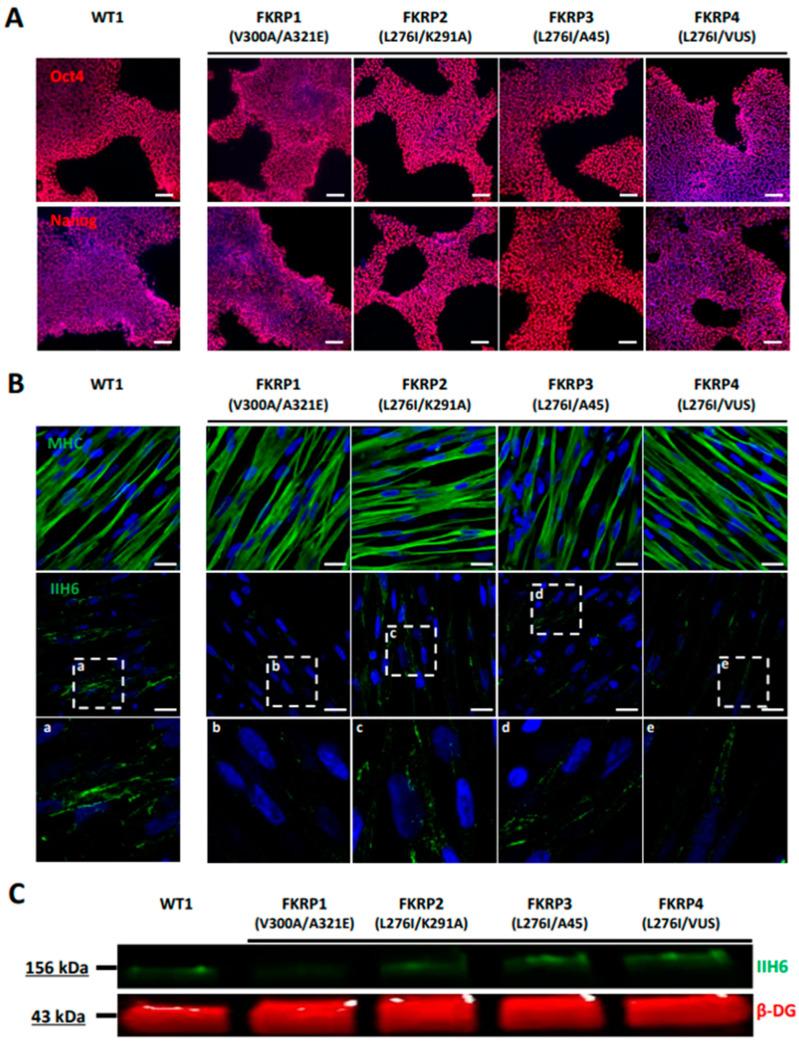
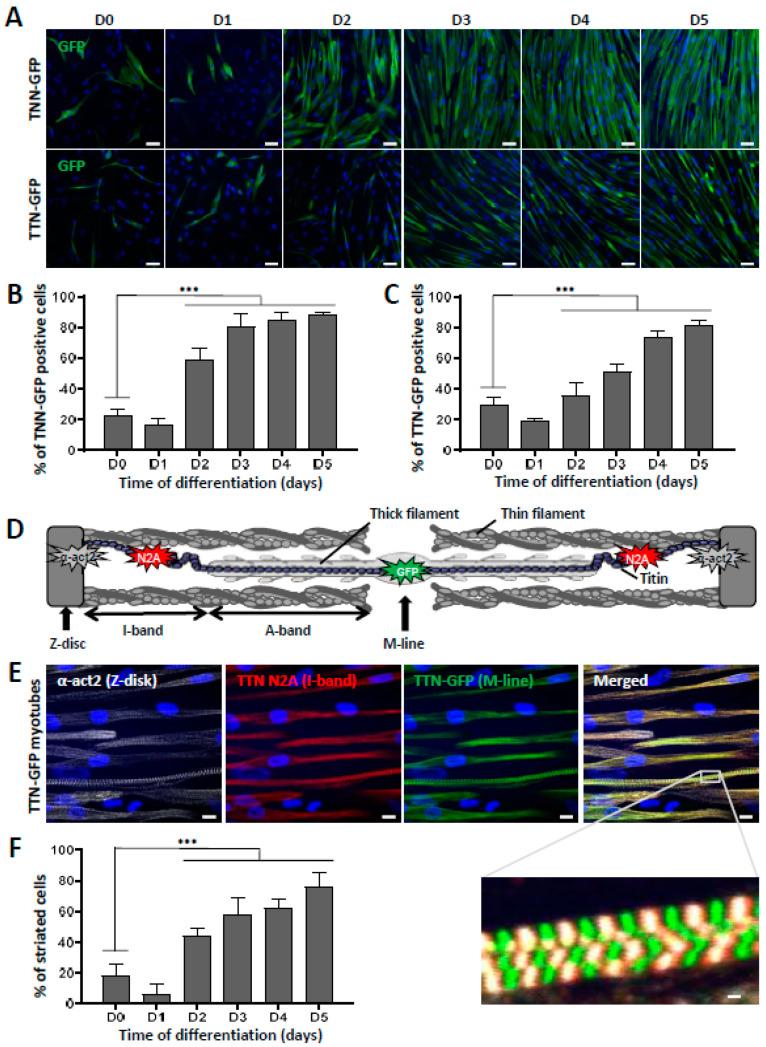
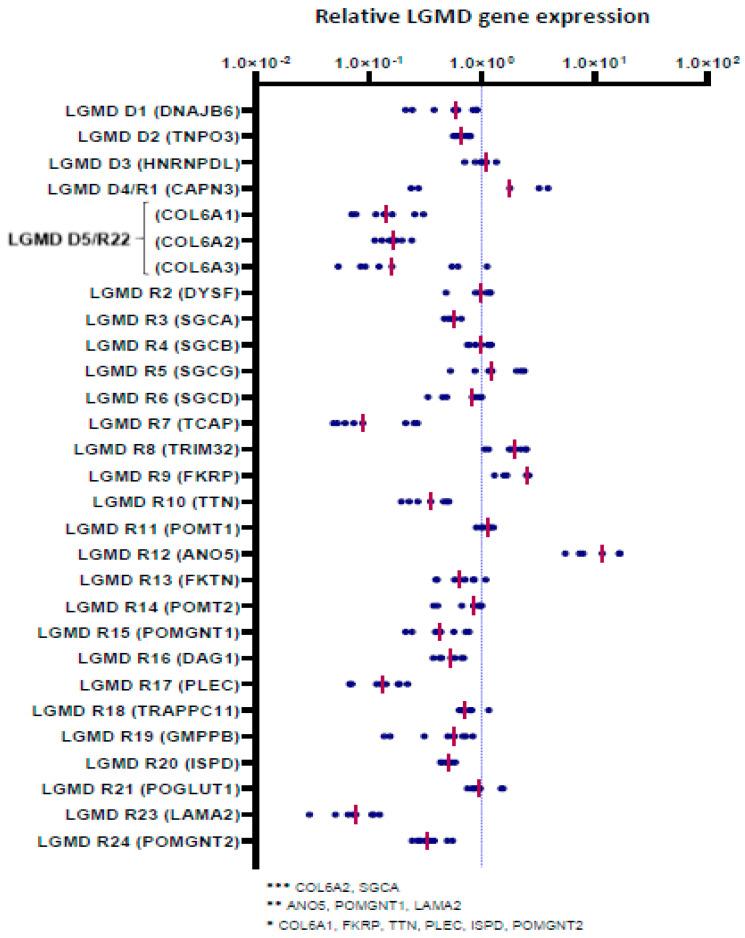
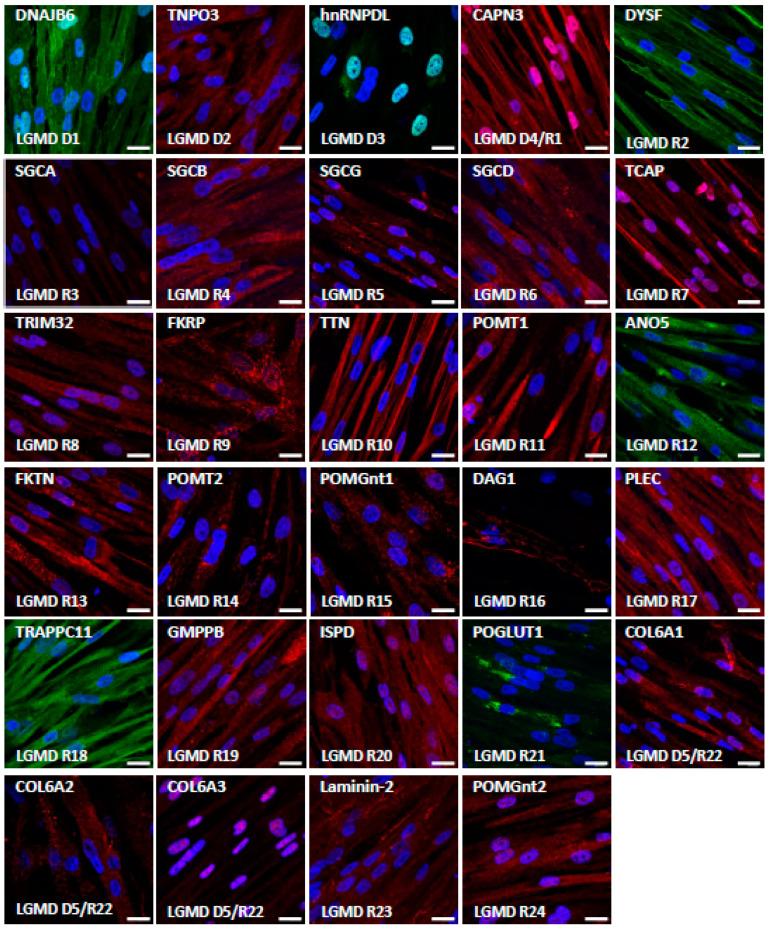
Limb girdle muscular dystrophies (LGMD), caused by mutations in 29 different genes, are the fourth most prevalent group of genetic muscle diseases. Although the link between LGMD and its genetic origins has been determined, LGMD still represent an unmet medical need. Here, we describe a platform for modeling LGMD based on the use of human induced pluripotent stem cells (hiPSC). Thanks to the self-renewing and pluripotency properties of hiPSC, this platform provides a renewable and an alternative source of skeletal muscle cells (skMC) to primary, immortalized, or overexpressing cells. We report that skMC derived from hiPSC express the majority of the genes and proteins that cause LGMD. As a proof of concept, we demonstrate the importance of this cellular model for studying LGMDR9 by evaluating disease-specific phenotypes in skMC derived from hiPSC obtained from four patients.
肢带型肌营养不良症(LGMD)由29种不同基因的突变引起,是第四大最常见的遗传性肌肉疾病组。尽管LGMD与其遗传起源之间的联系已经确定,但LGMD仍代表着未被满足的医疗需求。在此,我们描述了一个基于人类诱导多能干细胞(hiPSC)使用的LGMD建模平台。由于hiPSC的自我更新和多能性特性,该平台为原代细胞、永生化细胞或过表达细胞提供了可再生的骨骼肌细胞(skMC)替代来源。我们报告称,源自hiPSC的skMC表达了大多数导致LGMD的基因和蛋白质。作为概念验证,我们通过评估从四名患者获得的hiPSC衍生的skMC中的疾病特异性表型,证明了这种细胞模型对于研究LGMDR9的重要性。

 Zotero 插件