
通过机器学习算法预测用于mRNA疫苗的脂质纳米颗粒。
Prediction of lipid nanoparticles for mRNA vaccines by the machine learning algorithm.
作者信息
Wang Wei, Feng Shuo, Ye Zhuyifan, Gao Hanlu, Lin Jinzhong, Ouyang Defang
机构信息
State Key Laboratory of Quality Research in Chinese Medicine, Institute of Chinese Medical Sciences, University of Macau, Macau 999078, China.
State Key Laboratory of Genetic Engineering, School of Life Sciences, Zhongshan Hospital, Fudan University, Shanghai 200438, China.
出版信息
Acta Pharm Sin B. 2022 Jun;12(6):2950-2962. doi: 10.1016/j.apsb.2021.11.021. Epub 2021 Dec 2.
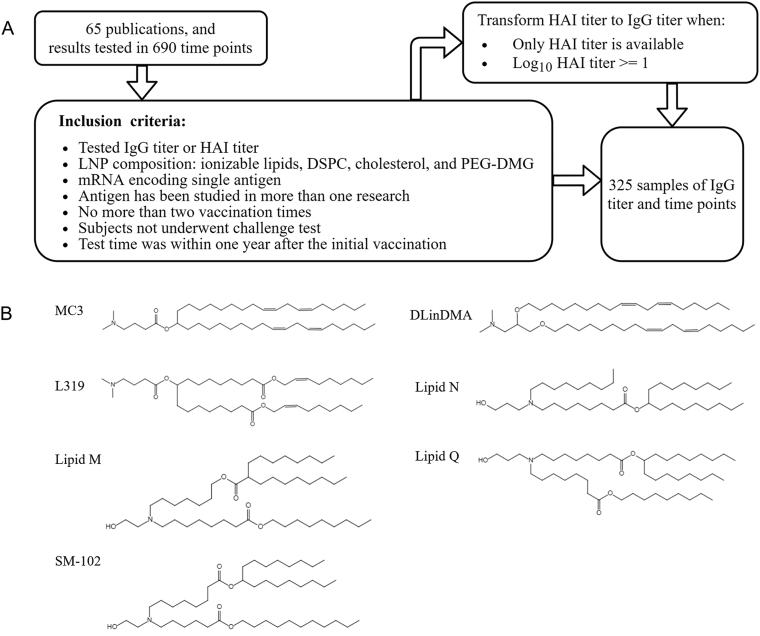
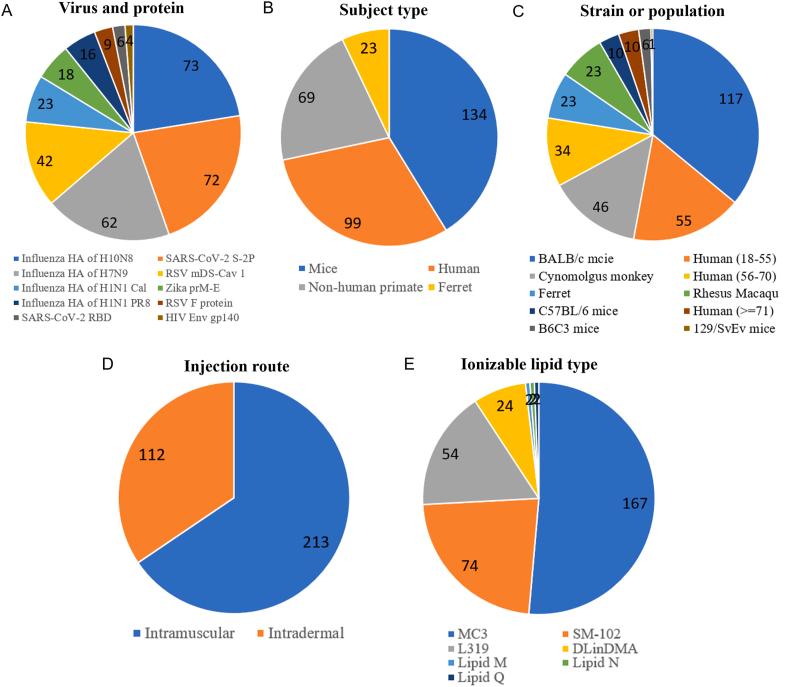
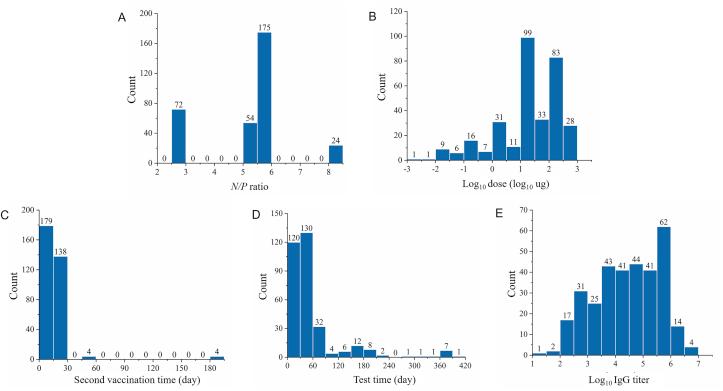
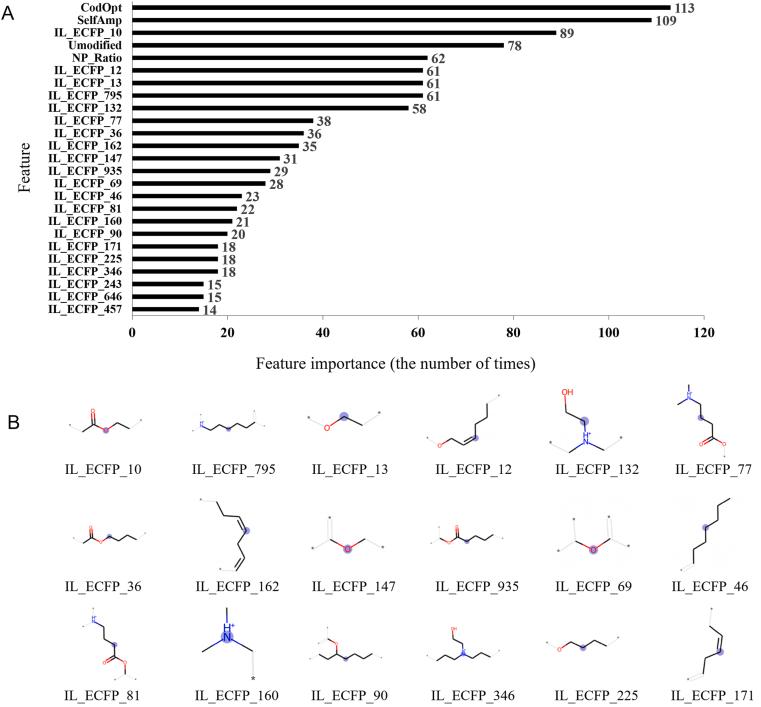
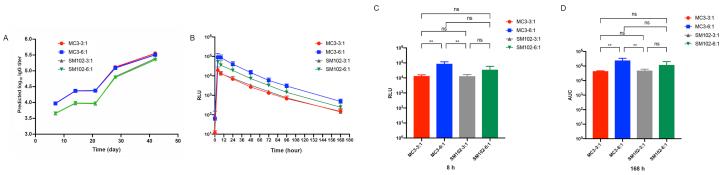
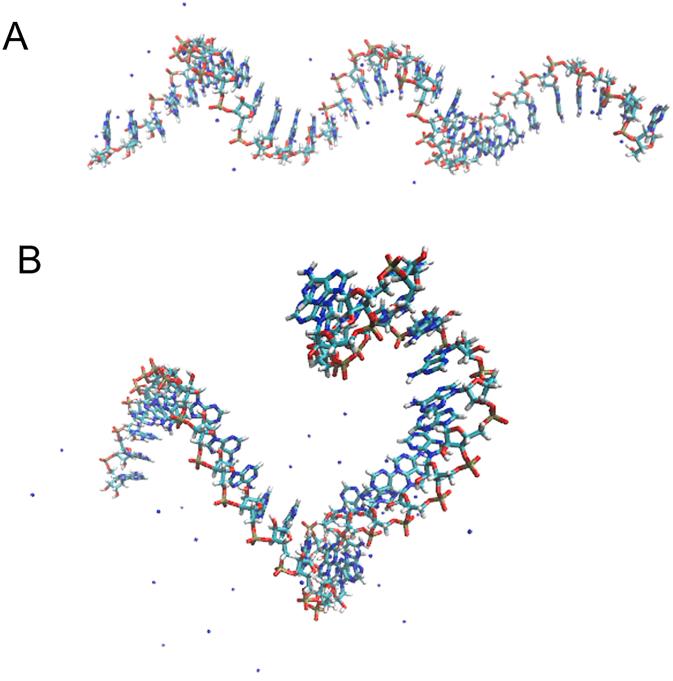
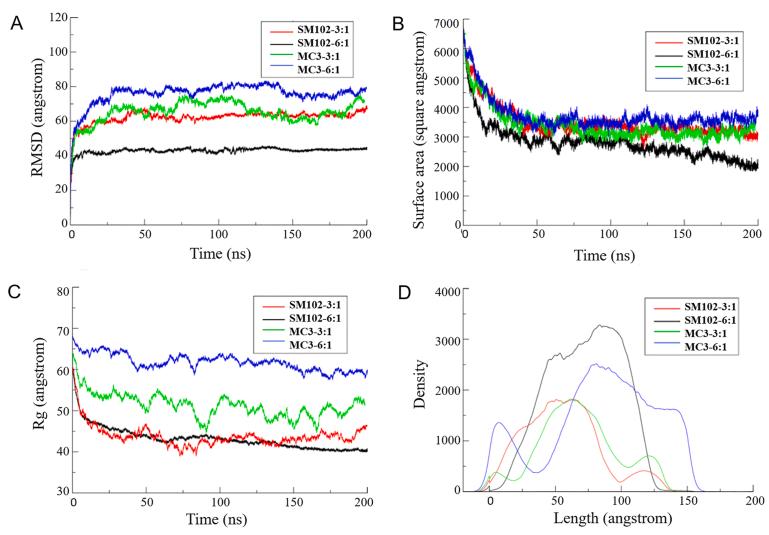
Lipid nanoparticle (LNP) is commonly used to deliver mRNA vaccines. Currently, LNP optimization primarily relies on screening ionizable lipids by traditional experiments which consumes intensive cost and time. Current study attempts to apply computational methods to accelerate the LNP development for mRNA vaccines. Firstly, 325 data samples of mRNA vaccine LNP formulations with IgG titer were collected. The machine learning algorithm, lightGBM, was used to build a prediction model with good performance ( > 0.87). More importantly, the critical substructures of ionizable lipids in LNPs were identified by the algorithm, which well agreed with published results. The animal experimental results showed that LNP using DLin-MC3-DMA (MC3) as ionizable lipid with an / ratio at 6:1 induced higher efficiency in mice than LNP with SM-102, which was consistent with the model prediction. Molecular dynamic modeling further investigated the molecular mechanism of LNPs used in the experiment. The result showed that the lipid molecules aggregated to form LNPs, and mRNA molecules twined around the LNPs. In summary, the machine learning predictive model for LNP-based mRNA vaccines was first developed, validated by experiments, and further integrated with molecular modeling. The prediction model can be used for virtual screening of LNP formulations in the future.
脂质纳米颗粒(LNP)通常用于递送mRNA疫苗。目前,LNP的优化主要依靠通过传统实验筛选可电离脂质,这耗费大量成本和时间。当前研究试图应用计算方法来加速用于mRNA疫苗的LNP开发。首先,收集了325个具有IgG滴度的mRNA疫苗LNP配方的数据样本。使用机器学习算法lightGBM构建了性能良好(>0.87)的预测模型。更重要的是,通过该算法确定了LNP中可电离脂质的关键亚结构,这与已发表的结果高度吻合。动物实验结果表明,使用DLin-MC3-DMA(MC3)作为可电离脂质且/比例为6:1的LNP在小鼠体内诱导的效率高于使用SM-102的LNP,这与模型预测一致。分子动力学建模进一步研究了实验中使用的LNP的分子机制。结果表明,脂质分子聚集形成LNP,mRNA分子缠绕在LNP周围。总之,首次开发了基于LNP的mRNA疫苗的机器学习预测模型,并通过实验进行了验证,还进一步与分子建模相结合。该预测模型未来可用于LNP配方的虚拟筛选。





 Zotero 插件