
热指数在界定轻体力活动时热平衡上限的效用 (PSU HEAT 项目)。
Utility of the Heat Index in defining the upper limits of thermal balance during light physical activity (PSU HEAT Project).
机构信息
Center for Health Aging, College of Health and Human Development, Pennsylvania State University, 422 Biobehavioral Health Building, University Park, PA, 16802, USA.
Department of Kinesiology, Pennsylvania State University, University Park, PA, 16802, USA.
出版信息
Int J Biometeorol. 2022 Aug;66(9):1759-1769. doi: 10.1007/s00484-022-02316-z. Epub 2022 Jul 1.
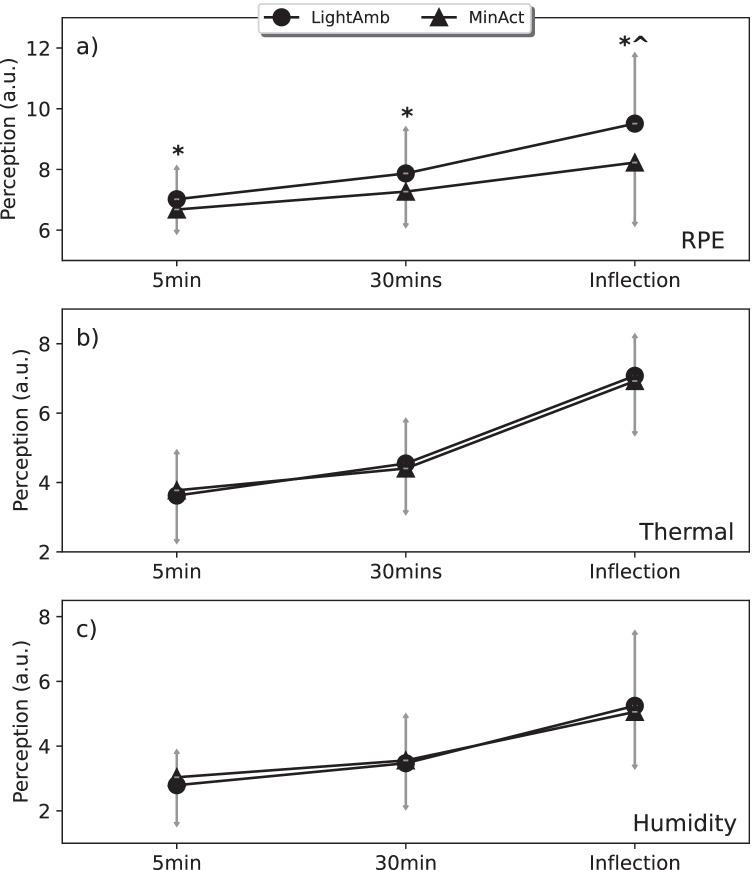
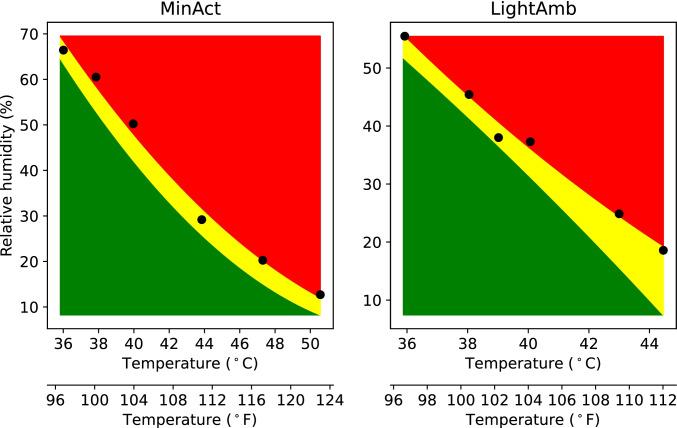
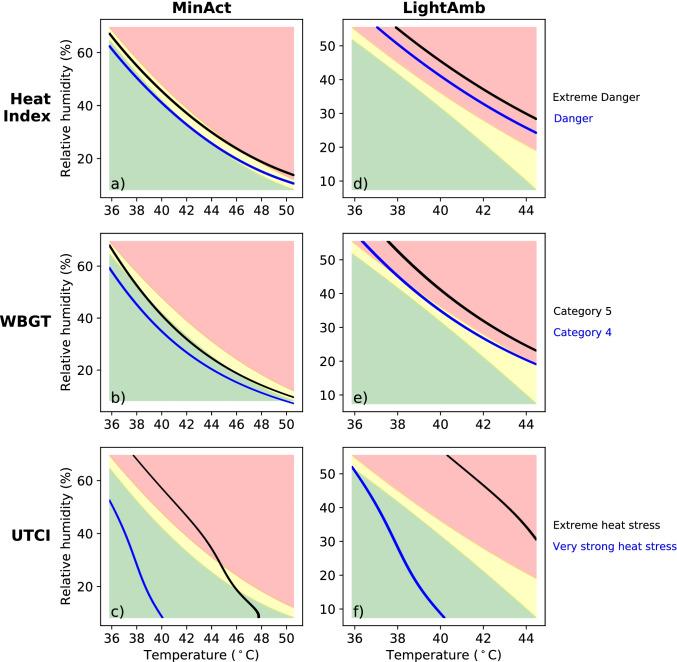
Extreme heat events and consequent detrimental heat-health outcomes have been increasing in recent decades and are expected to continue with future climate warming. While many indices have been created to quantify the combined atmospheric contributions to heat, few have been validated to determine how index-defined heat conditions impact human health. However, this subset of indices is likely not valid for all situations and populations nor easily understood and interpreted by health officials and the public. In this study, we compare the ability of thresholds determined from the National Weather Service's (NWS) Heat Index (HI), the Wet Bulb Globe Temperature (WBGT), and the Universal Thermal Climate Index (UTCI) to predict the compensability of human heat stress (upper limits of heat balance) measured as part of the Pennsylvania State University's Heat Environmental Age Thresholds (PSU HEAT) project. While the WBGT performed the best of the three indices for both minimal activities of daily living (MinAct; 83 W·m) and light ambulation (LightAmb; 133 W·m) in a cohort of young, healthy subjects, HI was likewise accurate in predicting heat stress compensability in MinAct conditions. HI was significantly correlated with subjects' perception of temperature and humidity as well as their body core temperature, linking perception of the ambient environment with physiological responses in MinAct conditions. Given the familiarity the public has with HI, it may be better utilized in the expansion of safeguard policies and the issuance of heat warnings during extreme heat events, especially when access to engineered cooling strategies is unavailable.
在最近几十年中,极端高温事件及其导致的不良健康后果不断增加,预计随着未来气候变暖,这种情况还将继续。虽然已经创建了许多指数来量化大气对热量的综合贡献,但很少有指数经过验证,以确定指数定义的热量条件如何影响人类健康。然而,这些指数的子集可能不适用于所有情况和人群,也不容易被卫生官员和公众理解和解释。在这项研究中,我们比较了美国国家气象局(NWS)热指数(HI)、湿球黑球温度(WBGT)和通用热气候指数(UTCI)确定的阈值的能力,以预测宾夕法尼亚州立大学热环境年龄阈值(PSU HEAT)项目中测量的人体热应激(热量平衡上限)的补偿能力。尽管 WBGT 在年轻健康受试者的最小日常活动(MinAct;83 W·m)和轻度步行(LightAmb;133 W·m)两种情况下,三个指数中的表现最好,但 HI 在预测 MinAct 条件下的热应激补偿能力方面同样准确。HI 与受试者对温度和湿度的感知以及他们的核心体温显著相关,将对环境的感知与 MinAct 条件下的生理反应联系起来。鉴于公众对 HI 的熟悉程度,在极端高温事件期间,特别是在无法获得工程降温策略的情况下,它可能更适合扩展保障政策和发布高温警报。
 Zotero 插件