
碳纳米管长度对苯乙烯-丁二烯基星形嵌段共聚物中分散、定位及电渗流的影响
Influence of CNT Length on Dispersion, Localization, and Electrical Percolation in a Styrene-Butadiene-Based Star Block Copolymer.
作者信息
Staudinger Ulrike, Janke Andreas, Steinbach Christine, Reuter Uta, Ganß Martin, Voigt Oliver
机构信息
Leibniz-Institut für Polymerforschung Dresden e.V., Hohe Str. 6, 01069 Dresden, Germany.
Material Research and Testing Institute (MFPA), the Bauhaus-Universität Weimar, Coudraystraße 9, 99423 Weimar, Germany.
出版信息
Polymers (Basel). 2022 Jul 2;14(13):2715. doi: 10.3390/polym14132715.
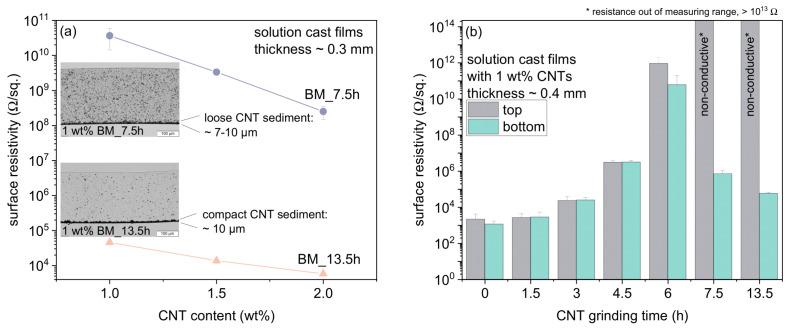
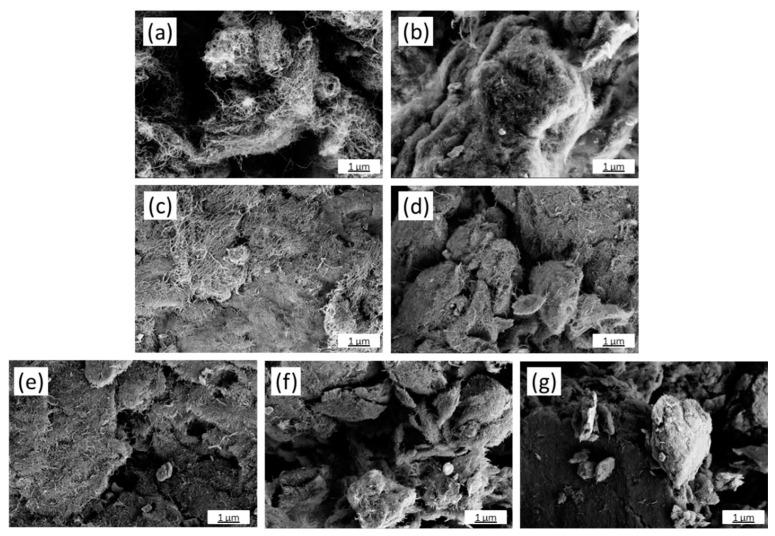
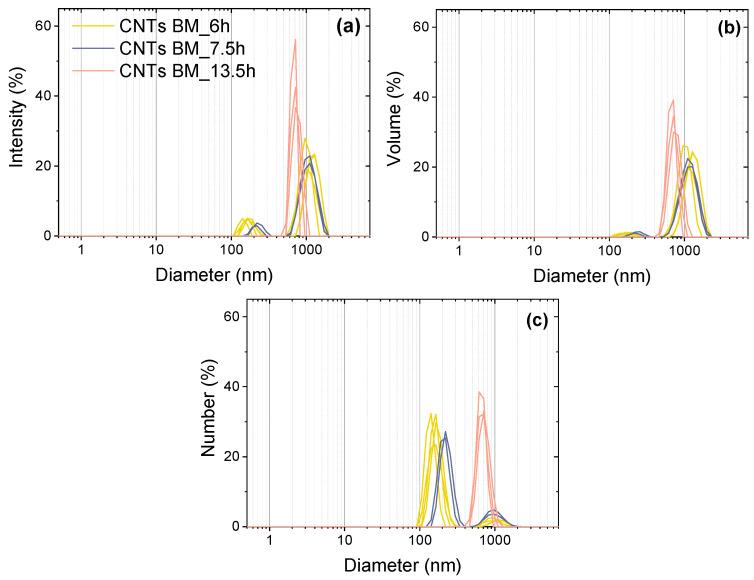
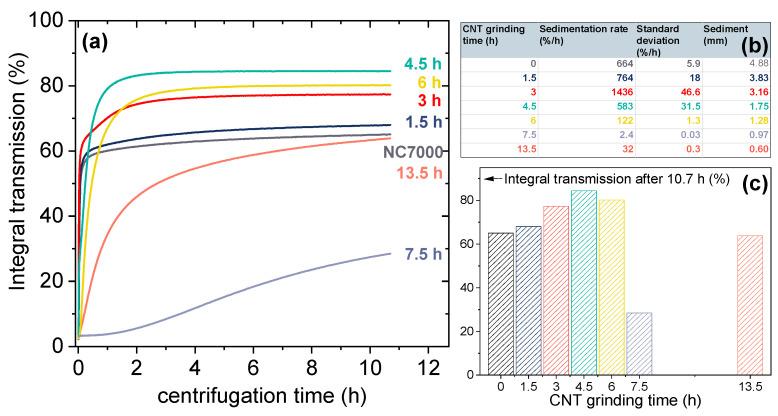
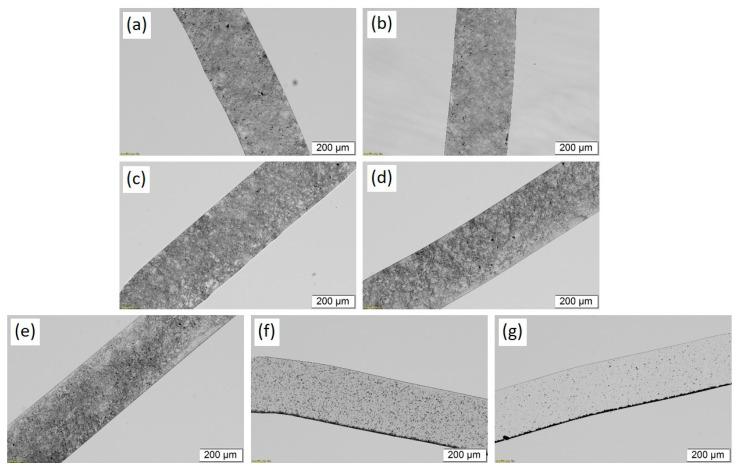
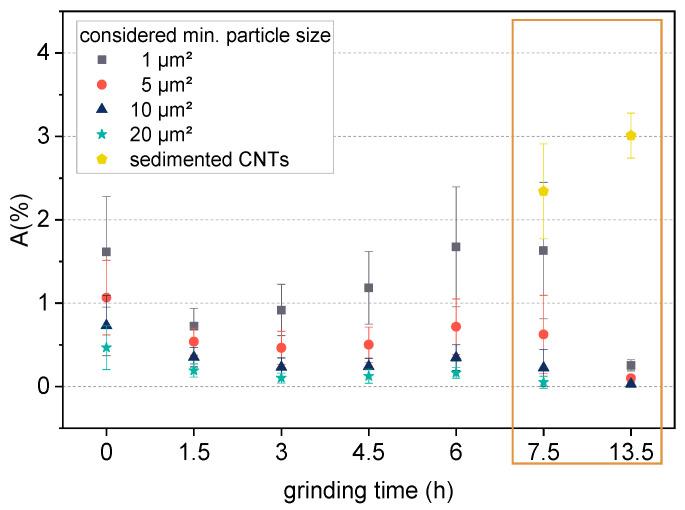
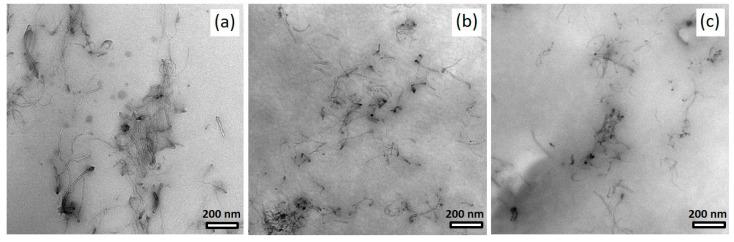
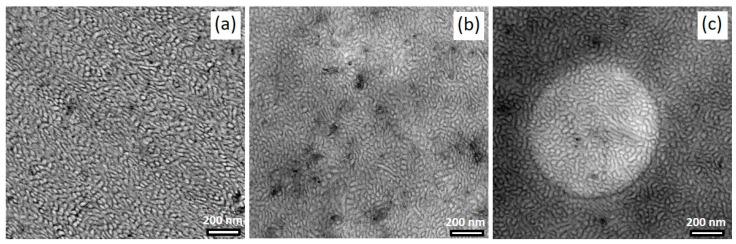
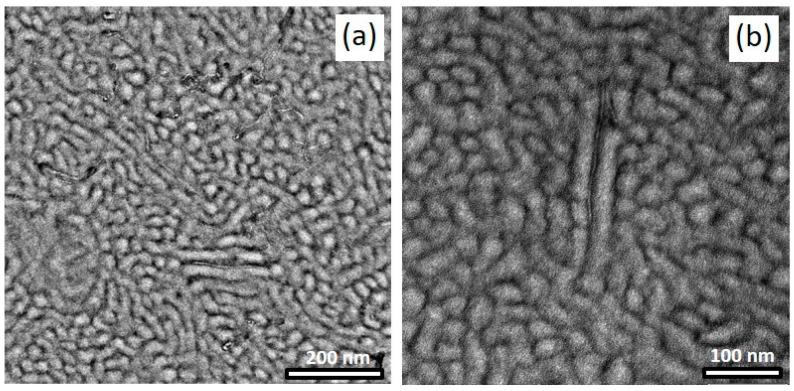
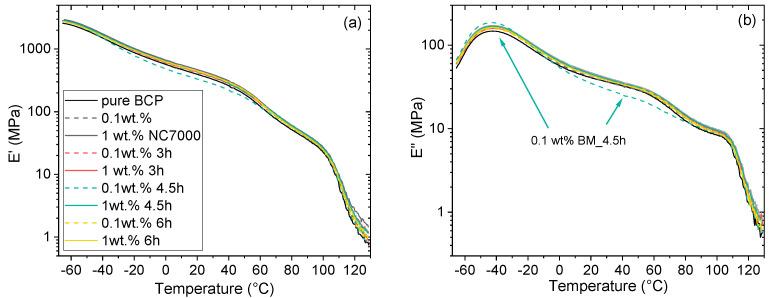
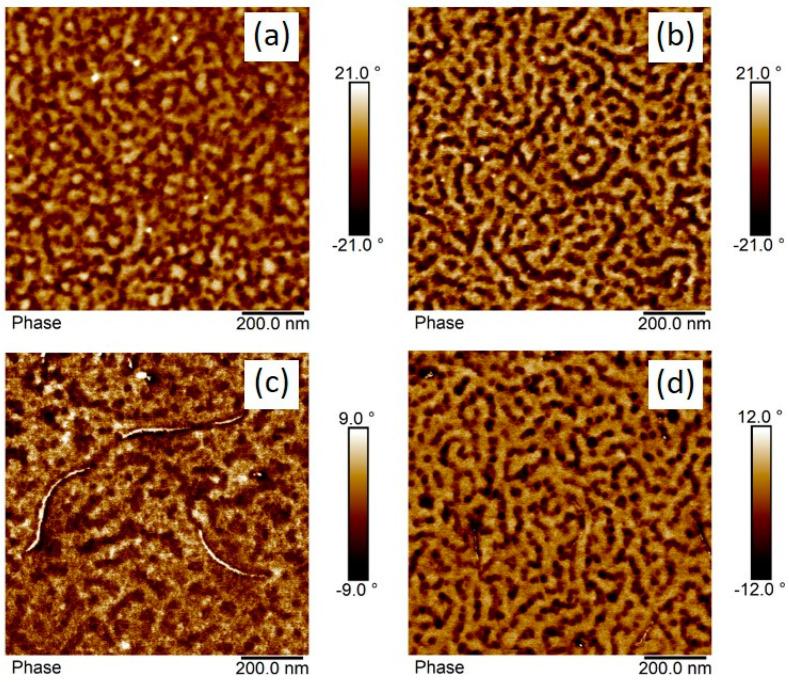
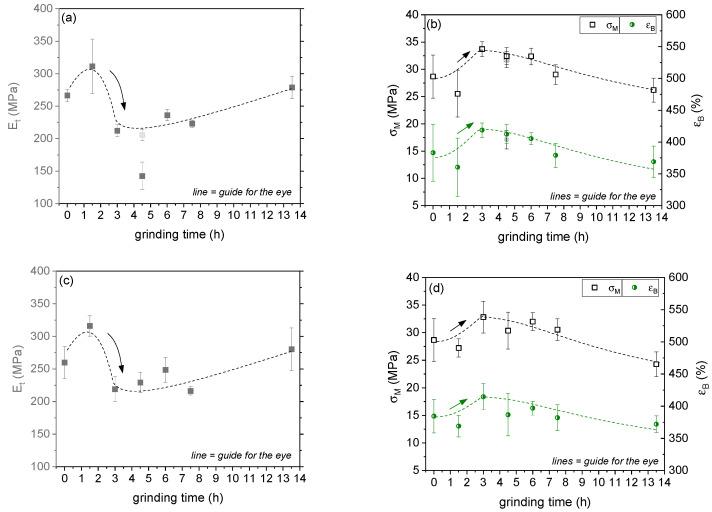
This study followed the approach of dispersing and localizing carbon nanotubes (CNTs) in nanostructured domains of block copolymers (BCPs) by shortening the CNTs via ball milling. The aim was to selectively tune the electrical and mechanical properties of the resulting nanocomposites, e.g., for use as sensor materials. Multiwalled carbon nanotubes (MWCNTs) were ground into different size fractions. The MWCNT length distribution was evaluated via transmission electron microscopy and dynamic light scattering. The nanostructure of the BCPs and the glass transition temperatures of the PB-rich and PS phases were not strongly affected by the addition of CNTs up to 2 wt%. However, AFM and TEM investigations indicated a partial localization of the shortened CNTs in the soft PB-rich phase or at the interface of the PB-rich and PS phase, respectively. The stress-strain behavior of the solution-mixed composites differed little from the mechanical property profile of the neat BCP and was largely independent of CNT amount and CNT size fraction. Significant changes could only be observed for Young's modulus and strain at break and may be attributed to CNT localization and small changes in morphology. For nanocomposites with unmilled CNTs, the electrical percolation threshold was less than 0.1 wt%. As the CNTs were shortened, the resistivity increased and the percolation threshold shifted to higher CNT contents. Composites with CNTs ground for 7.5 h and 13.5 h showed no bulk conductivity but significantly decreased surface resistivity on the bottom side of the films, which could be attributed to a sedimentation process of the grind and thereby highly compressed CNT agglomerates during evaporation.
本研究采用通过球磨缩短碳纳米管(CNT),将其分散并定位在嵌段共聚物(BCP)的纳米结构域中的方法。目的是选择性地调节所得纳米复合材料的电学和力学性能,例如用作传感器材料。将多壁碳纳米管(MWCNT)研磨成不同的尺寸级分。通过透射电子显微镜和动态光散射评估MWCNT的长度分布。添加高达2 wt%的CNT对BCP的纳米结构以及富含PB和PS相的玻璃化转变温度影响不大。然而,原子力显微镜(AFM)和透射电子显微镜(TEM)研究表明,缩短的CNT分别部分定位在富含PB的软相中或富含PB和PS相的界面处。溶液混合复合材料的应力-应变行为与纯BCP的力学性能曲线差异不大,并且在很大程度上与CNT的量和CNT尺寸级分无关。仅在杨氏模量和断裂应变方面观察到显著变化,这可能归因于CNT的定位和形态的微小变化。对于含有未研磨CNT的纳米复合材料,其电渗流阈值小于0.1 wt%。随着CNT被缩短,电阻率增加,渗流阈值向更高的CNT含量移动。研磨7.5小时和13.5小时的含有CNT的复合材料没有体电导率,但薄膜底部的表面电阻率显著降低,这可归因于研磨过程中的沉降过程,从而在蒸发过程中形成高度压缩的CNT团聚体。




 Zotero 插件