
填充双嵌段共聚物体系的电导率:确定主要影响因素
Conductivity of Filled Diblock Copolymer Systems: Identifying the Main Influencing Factors.
作者信息
Chervanyov A I
机构信息
Institute of Theoretical Physics, University of Münster, 48149 Münster, Germany.
出版信息
Polymers (Basel). 2025 May 28;17(11):1502. doi: 10.3390/polym17111502.
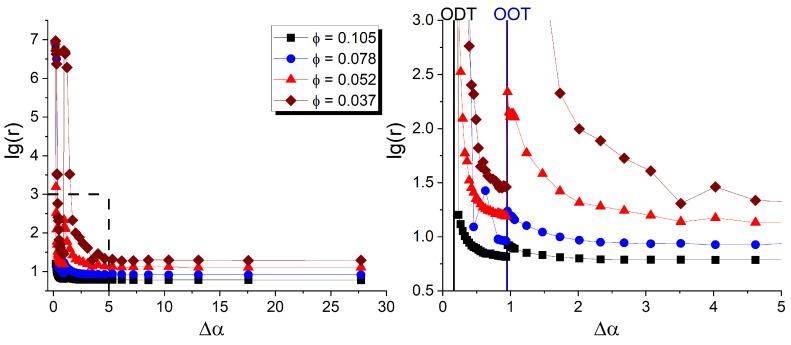
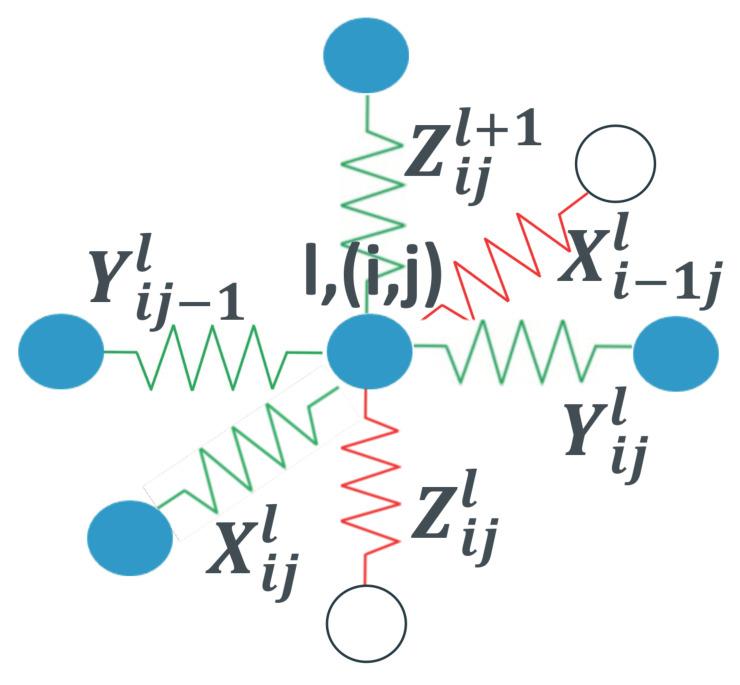
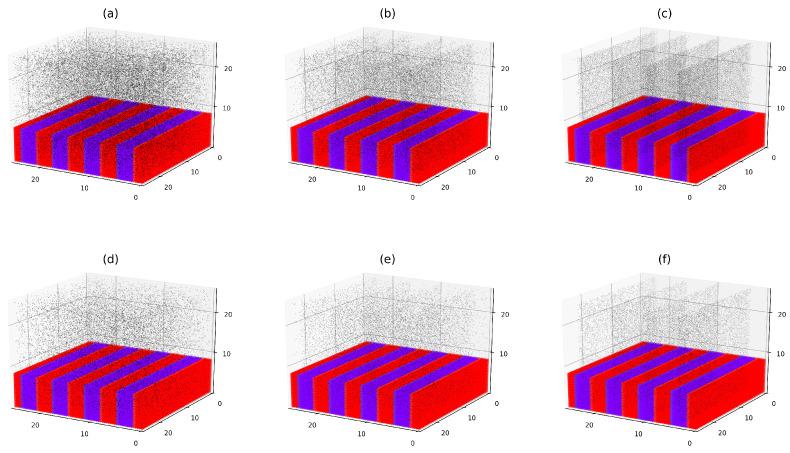
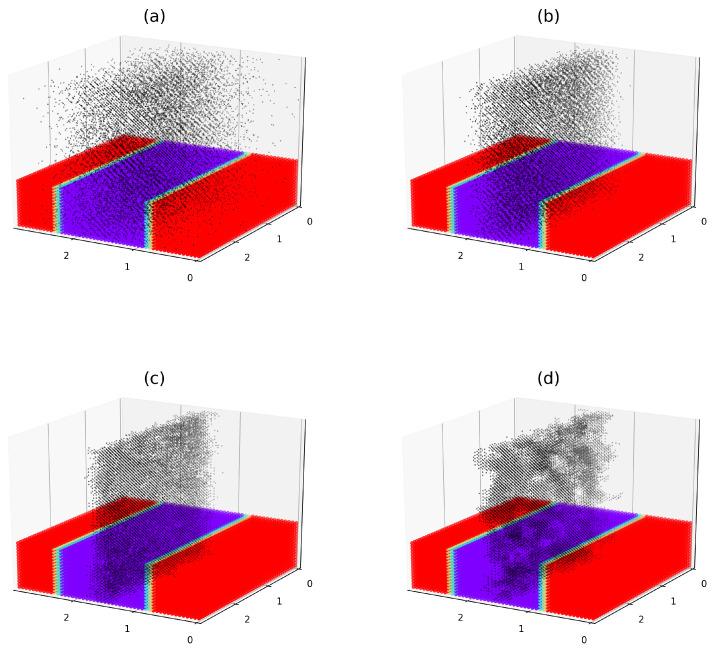
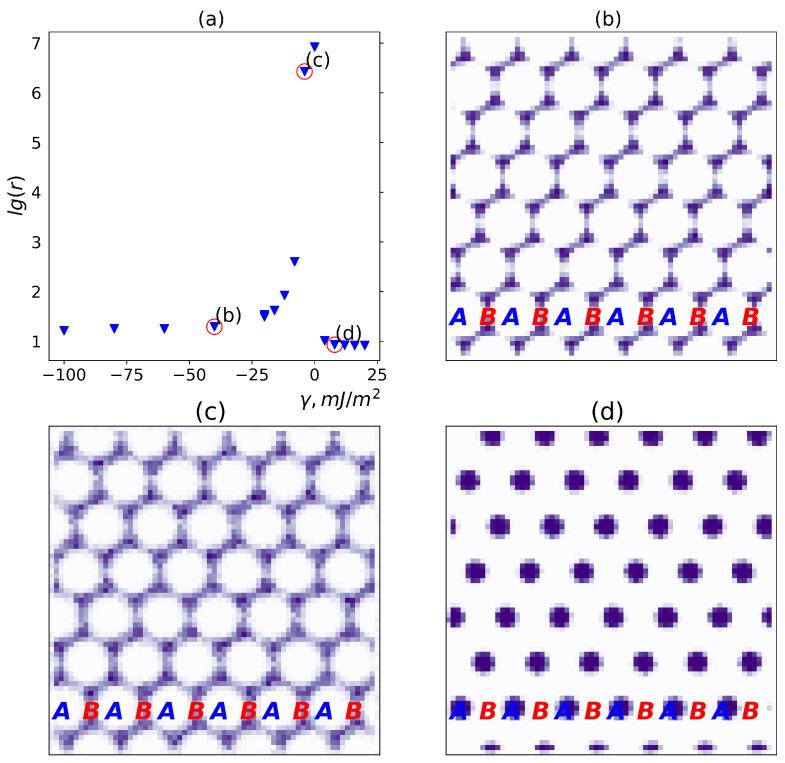
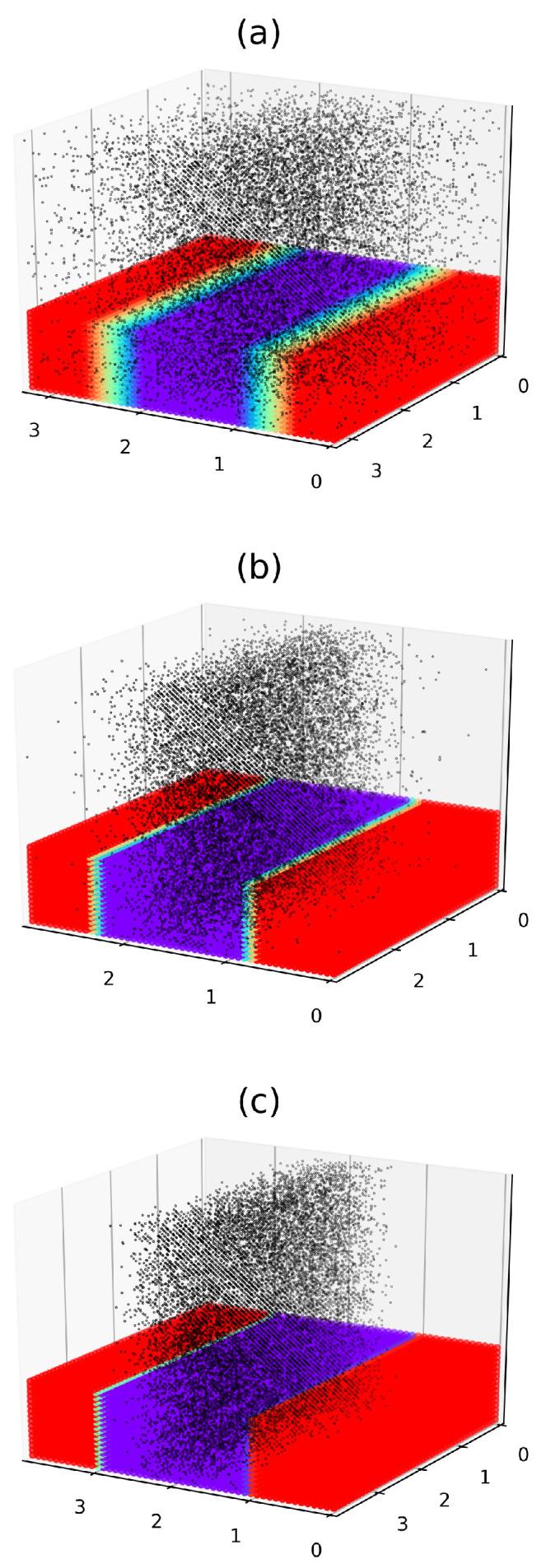
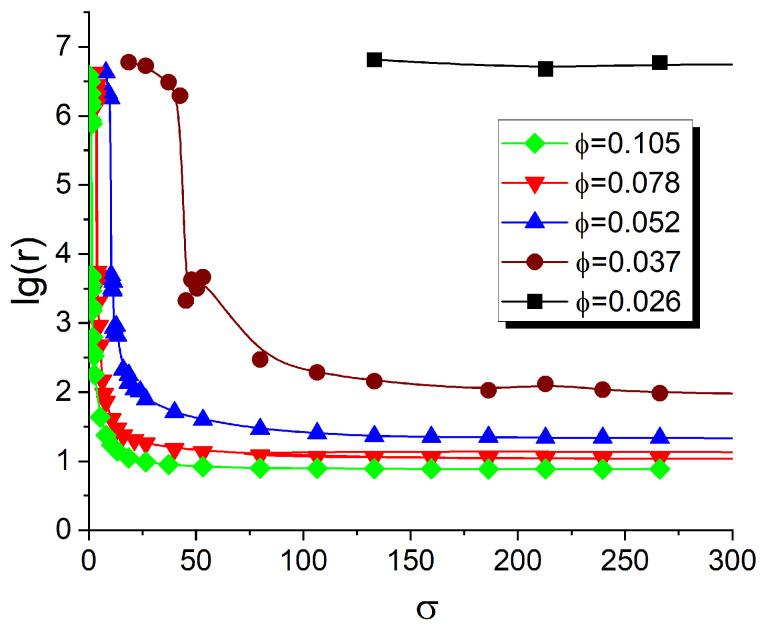
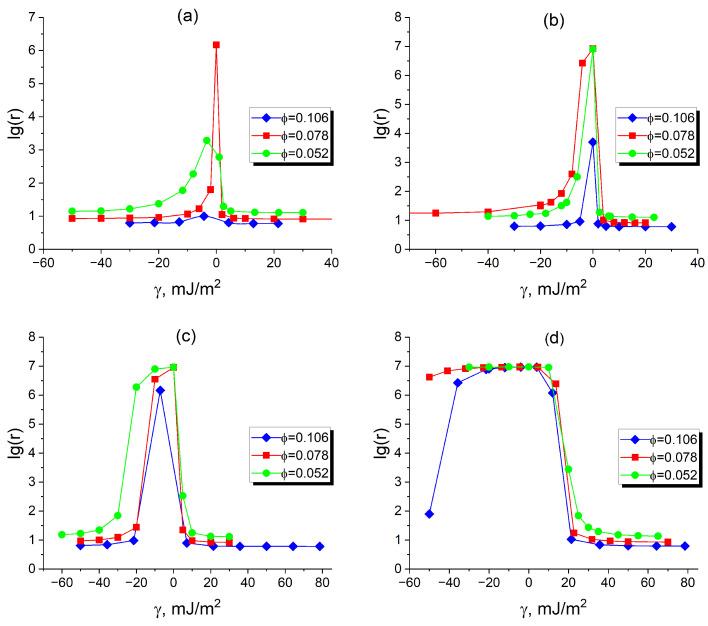
By developing and making use of the multi-scale theoretical approach, we identify the main factors that affect the conductivity of a composite composed of a diblock copolymer (DBC) system and conductive particles. This approach relies on the consistent phase-field model of DBC, Monte-Carlo simulations of the filler localization in DBC, and the resistor network model that mimics the conductive filler network formed in DBC. Based on the described approach, we thoroughly explore the relation among the morphological state of the microphase-separated DBC, localization of fillers in DBC, and the electrical response of the composite. Good agreement with experimental results confirms the accuracy of our theoretical predictions regarding the localization of fillers in the DBC microphases. The main factors affecting the composite conductivity are found to be: (i) affinities of fillers for copolymer blocks; (ii) degree of the segregation of a host DBC system, driven by external stimuli; (iii) geometry of the microphases formed in the microphase-separated DBC; and (iv) interactions between fillers. The conductor-insulator transition in the filler network is found to be caused by the order-disorder transition in the symmetric DBC. The order-order transition between the ordered lamellae and cylindrical microphases of asymmetric DBC causes a spike in the composite conductivity.
通过开发和利用多尺度理论方法,我们确定了影响由双嵌段共聚物(DBC)体系和导电颗粒组成的复合材料电导率的主要因素。该方法依赖于DBC的一致相场模型、DBC中填料定位的蒙特卡罗模拟以及模拟DBC中形成的导电填料网络的电阻网络模型。基于所描述的方法,我们深入探讨了微相分离DBC的形态状态、填料在DBC中的定位以及复合材料的电响应之间的关系。与实验结果的良好吻合证实了我们关于填料在DBC微相中的定位的理论预测的准确性。发现影响复合材料电导率的主要因素为:(i)填料对共聚物嵌段的亲和力;(ii)由外部刺激驱动的主体DBC体系的偏析程度;(iii)微相分离DBC中形成的微相的几何形状;以及(iv)填料之间的相互作用。发现填料网络中的导体-绝缘体转变是由对称DBC中的有序-无序转变引起的。不对称DBC的有序片层和圆柱形微相之间的有序-有序转变导致复合材料电导率出现峰值。




 Zotero 插件