
小分子在中枢神经系统直接神经元重编程中的应用。
Application of Small Molecules in the Central Nervous System Direct Neuronal Reprogramming.
作者信息
Wang Jingyi, Chen Shiling, Pan Chao, Li Gaigai, Tang Zhouping
机构信息
Department of Neurology, Tongji Hospital, Tongji Medical College, Huazhong University of Science and Technology, Wuhan, China.
出版信息
Front Bioeng Biotechnol. 2022 Jul 7;10:799152. doi: 10.3389/fbioe.2022.799152. eCollection 2022.
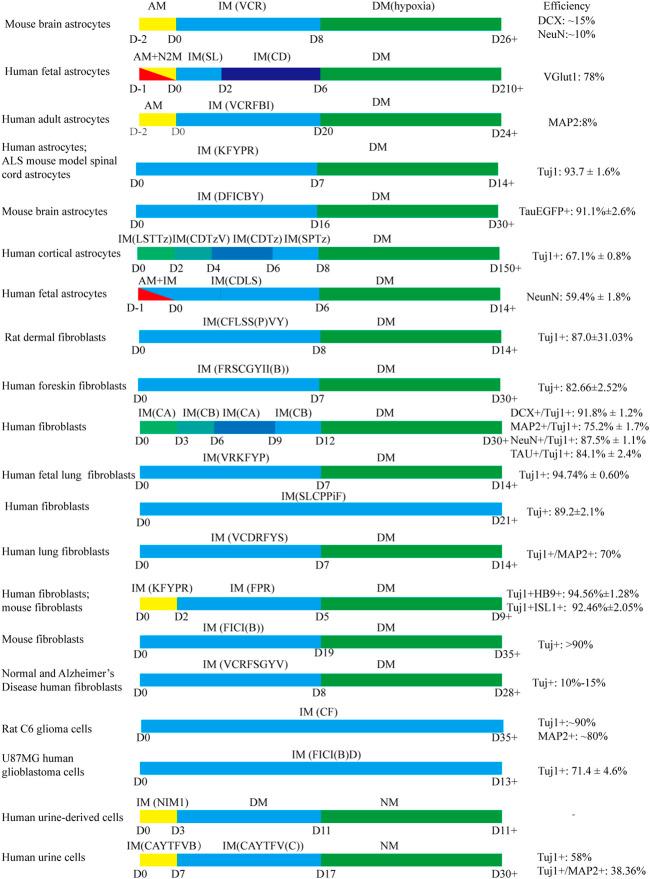
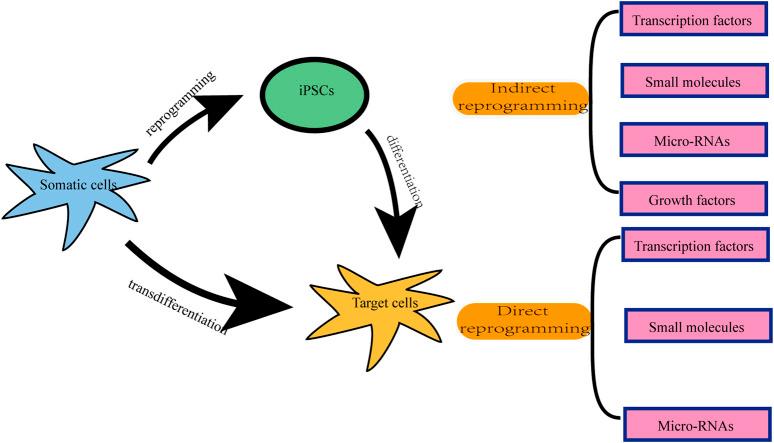
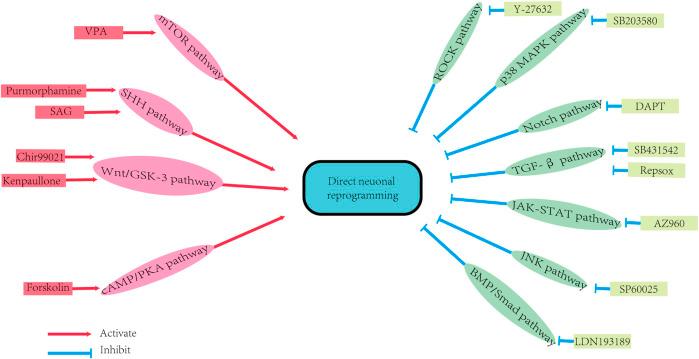
The lack of regenerative capacity of neurons leads to poor prognoses for some neurological disorders. The use of small molecules to directly reprogram somatic cells into neurons provides a new therapeutic strategy for neurological diseases. In this review, the mechanisms of action of different small molecules, the approaches to screening small molecule cocktails, and the methods employed to detect their reprogramming efficiency are discussed, and the studies, focusing on neuronal reprogramming using small molecules in neurological disease models, are collected. Future research efforts are needed to investigate the mechanisms of small molecule-mediated neuronal reprogramming under pathophysiological states, optimize screening cocktails and dosing regimens, and identify safe and effective delivery routes to promote neural regeneration in different neurological diseases.
神经元缺乏再生能力导致一些神经疾病的预后不佳。利用小分子将体细胞直接重编程为神经元为神经疾病提供了一种新的治疗策略。在这篇综述中,讨论了不同小分子的作用机制、筛选小分子组合的方法以及检测其重编程效率所采用的方法,并收集了聚焦于在神经疾病模型中利用小分子进行神经元重编程的研究。未来需要开展研究,以探究病理生理状态下小分子介导的神经元重编程机制,优化筛选组合和给药方案,并确定安全有效的给药途径,以促进不同神经疾病中的神经再生。

 Zotero 插件