
负载白藜芦醇纳米乳剂的热敏水凝胶:采用中心复合设计进行配方优化及在MCF-7人乳腺癌细胞系中的评价
Thermosensitive Hydrogels Loaded with Resveratrol Nanoemulsion: Formulation Optimization by Central Composite Design and Evaluation in MCF-7 Human Breast Cancer Cell Lines.
作者信息
Kotta Sabna, Aldawsari Hibah Mubarak, Badr-Eldin Shaimaa M, Nair Anroop B, Kaleem Mohammed, Dalhat Mahmood Hassan
机构信息
Department of Pharmaceutics, Faculty of Pharmacy, King Abdulaziz University, Jeddah 21589, Saudi Arabia.
Center of Excellence for Drug Research and Pharmaceutical Industries, King Abdulaziz University, Jeddah 21589, Saudi Arabia.
出版信息
Gels. 2022 Jul 19;8(7):450. doi: 10.3390/gels8070450.
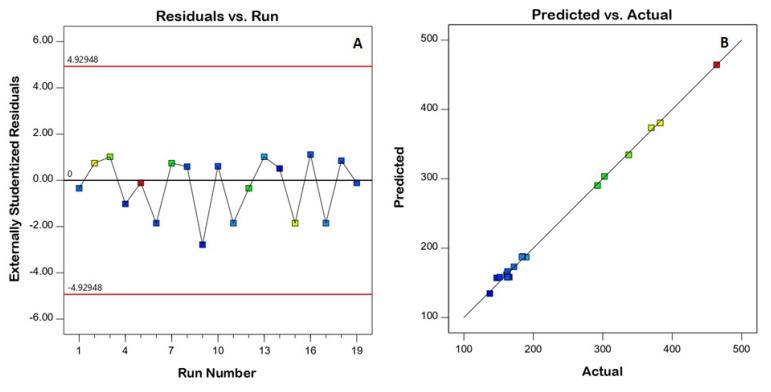
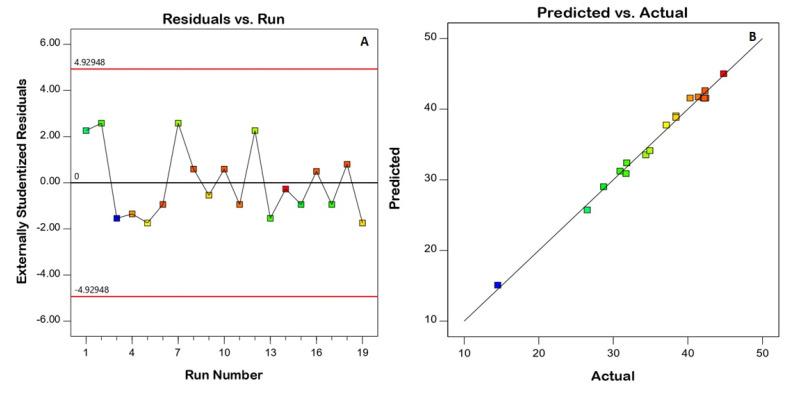
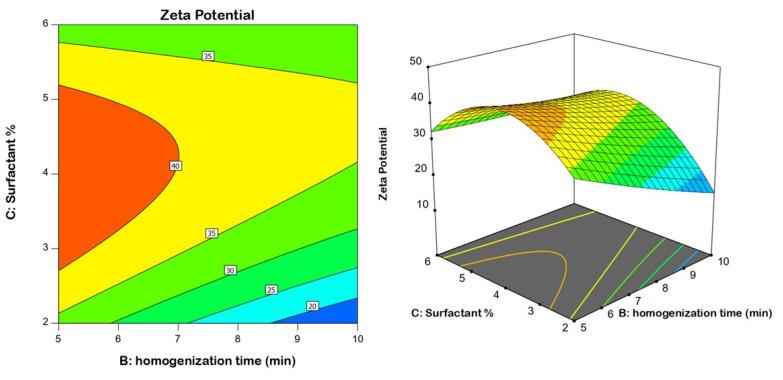
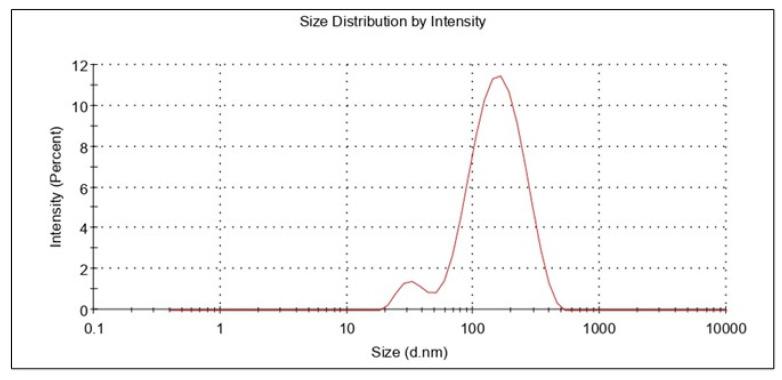
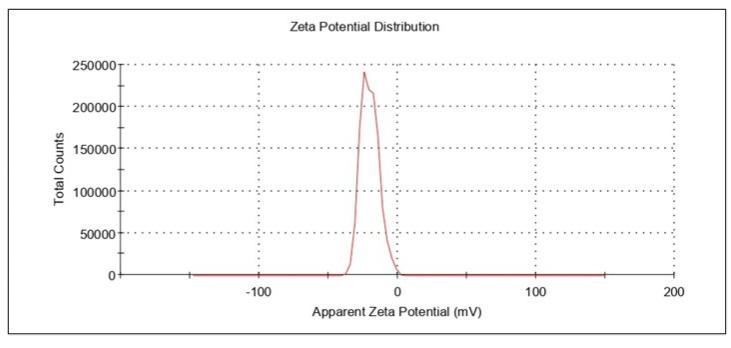
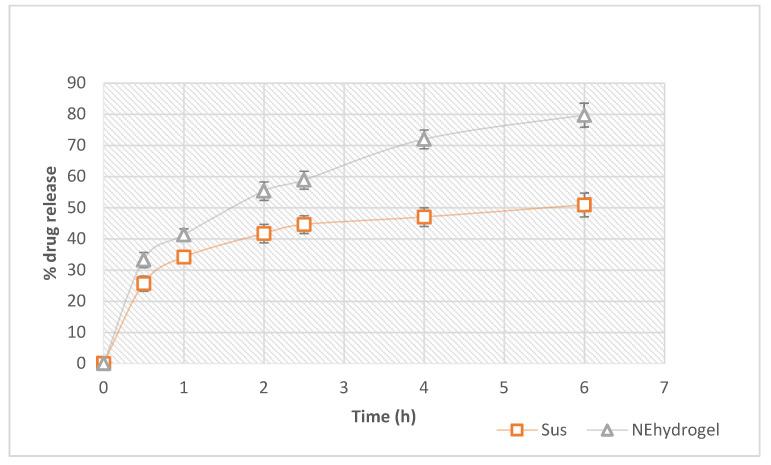
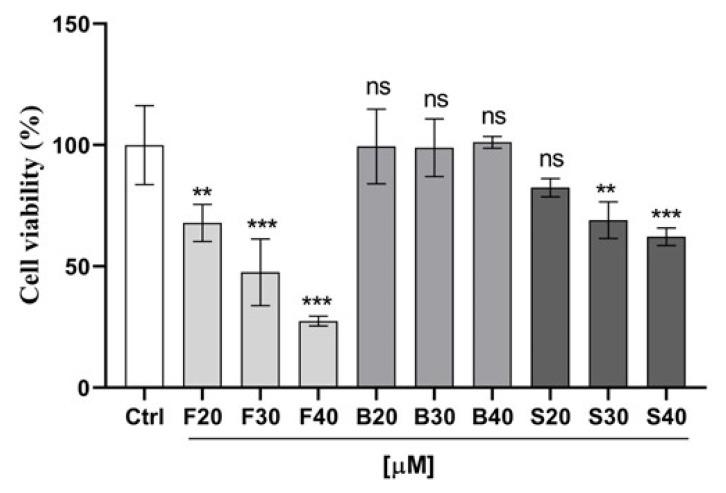
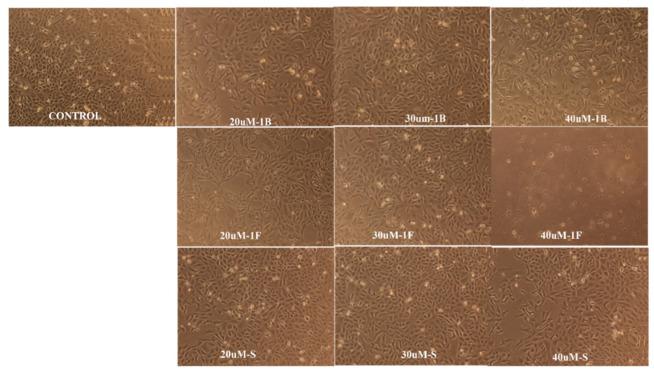
The second most common cause of mortality among women is breast cancer. A variety of natural compounds have been demonstrated to be beneficial in the management of various malignancies. Resveratrol is a promising anticancer polyphenolic compound found in grapes, berries, etc. Nevertheless, its low solubility, and hence its low bioavailability, restrict its therapeutic potential. Therefore, in our study, we developed a thermosensitive hydrogel formulation loaded with resveratrol nanoemulsion to enhance its bioavailability. Initially, resveratrol nanoemulsions were formulated and optimized utilizing a central composite-face-centered design. The independent variables for optimization were surfactant level, homogenization speed, and time, while the size and zeta potential were the dependent variables. The optimized nanoemulsion formulation was converted into a sensitive hydrogel using poloxamer 407. Rheological studies proved the formation of gel consistency at physiological temperature. Drug loading efficiency and in vitro drug release from gels were also analyzed. The drug release mechanisms from the gels were assessed using various mathematical models. The effect of the optimized thermosensitive resveratrol nanoemulsion hydrogel on the viability of human breast cancer cells was tested using MCF-7 cancer cell lines. The globule size of the selected formulation was 111.54 ± 4.16 nm, with a zeta potential of 40.96 ± 3.1 mV. Within 6 h, the in vitro release profile demonstrated a release rate of 80%. According to cell line studies, the produced hydrogel of resveratrol nanoemulsion was cytotoxic to breast cancer cells. Overall, the results proved the developed nanoemulsion-loaded thermosensitive hydrogel is a promising platform for the effective delivery of resveratrol for the management of breast cancer.
女性中第二常见的死亡原因是乳腺癌。多种天然化合物已被证明对各种恶性肿瘤的治疗有益。白藜芦醇是一种有前景的抗癌多酚化合物,存在于葡萄、浆果等中。然而,其低溶解度以及由此导致的低生物利用度限制了其治疗潜力。因此,在我们的研究中,我们开发了一种负载白藜芦醇纳米乳剂的热敏水凝胶制剂,以提高其生物利用度。首先,利用中心复合-面心设计对白藜芦醇纳米乳剂进行了制备和优化。优化的自变量为表面活性剂水平、匀化速度和时间,而粒径和zeta电位为因变量。使用泊洛沙姆407将优化后的纳米乳剂制剂转化为敏感水凝胶。流变学研究证明在生理温度下形成了凝胶稠度。还分析了凝胶的载药效率和体外药物释放。使用各种数学模型评估了凝胶的药物释放机制。使用MCF-7癌细胞系测试了优化后的热敏白藜芦醇纳米乳剂水凝胶对人乳腺癌细胞活力的影响。所选制剂的球粒大小为111.54±4.16 nm,zeta电位为40.96±3.1 mV。在6小时内,体外释放曲线显示释放率为80%。根据细胞系研究,所制备的白藜芦醇纳米乳剂水凝胶对乳腺癌细胞具有细胞毒性。总体而言,结果证明所开发的负载纳米乳剂的热敏水凝胶是用于有效递送白藜芦醇以治疗乳腺癌的有前景的平台。



 Zotero 插件