
姜黄素自乳化药物递送系统(SEDDS)增强皮肤组织再生的研究
An Investigation for Skin Tissue Regeneration Enhancement/Augmentation by Curcumin-Loaded Self-Emulsifying Drug Delivery System (SEDDS).
作者信息
Mahmood Saima, Bhattarai Prapanna, Khan Nauman Rahim, Subhan Zakia, Razaque Ghulam, Albarqi Hassan A, Alqahtani Abdulsalam A, Alasiri Ali, Zhu Lin
机构信息
Department of Pharmaceutics, Faculty of Pharmacy, Gomal University, Dera Ismail Khan 29050, KPK, Pakistan.
Gomal Centre for Skin/Regenerative Medicine and Drug Delivery Research, Faculty of Pharmacy, Gomal University, Dera Ismail Khan 29050, KPK, Pakistan.
出版信息
Polymers (Basel). 2022 Jul 17;14(14):2904. doi: 10.3390/polym14142904.
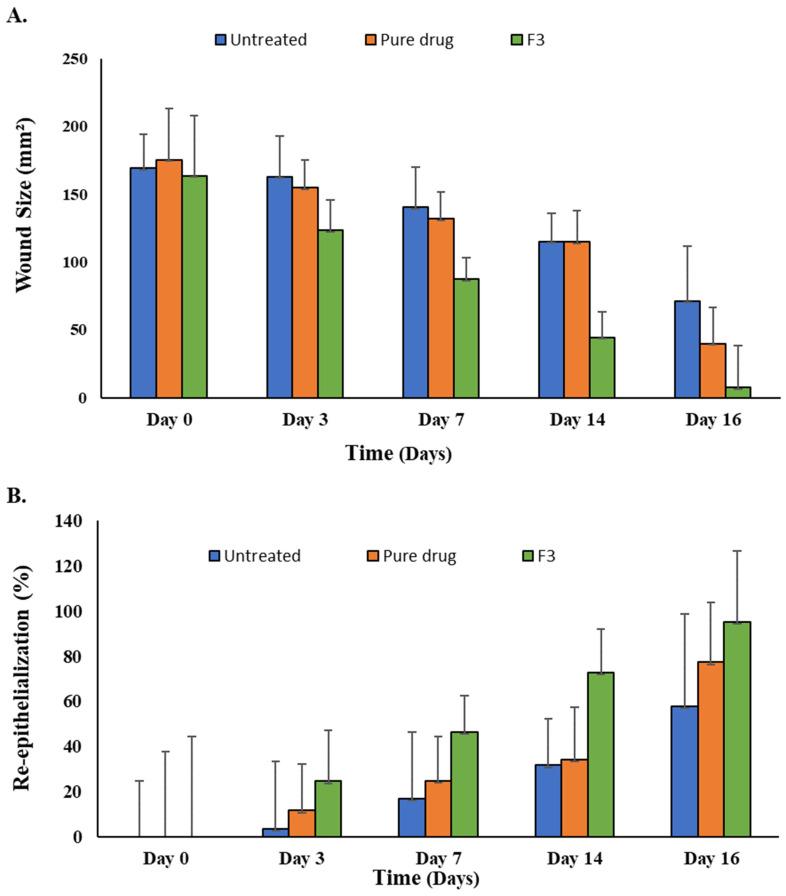
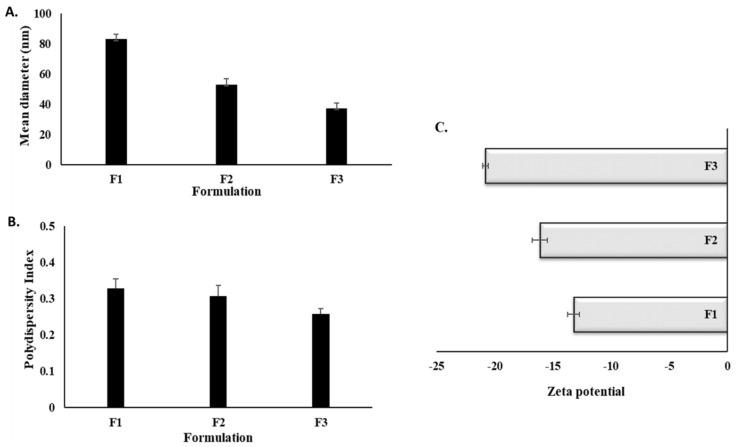
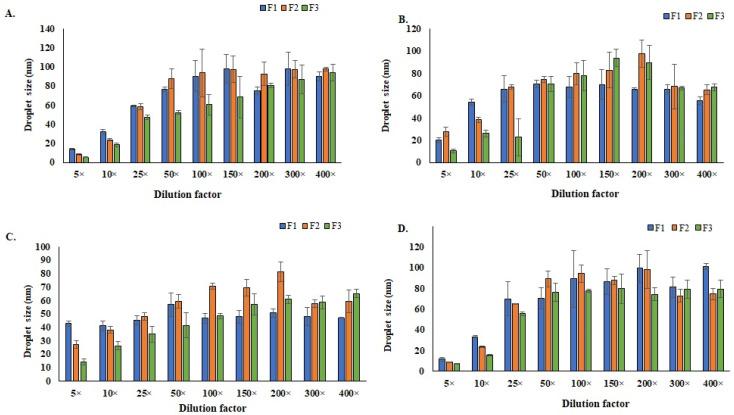
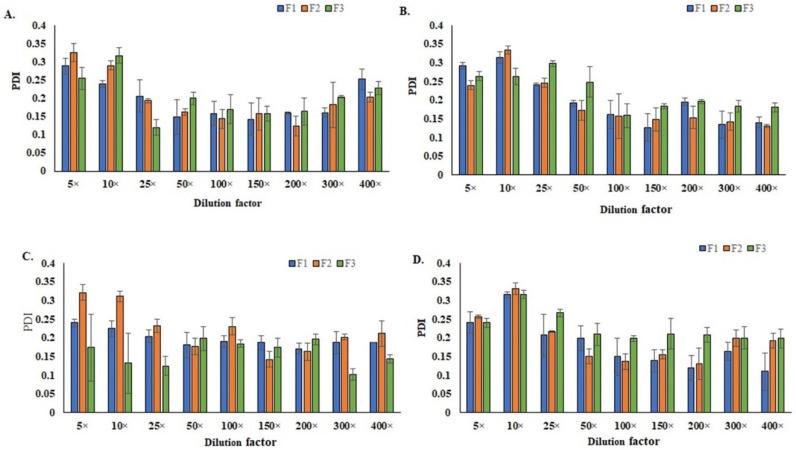
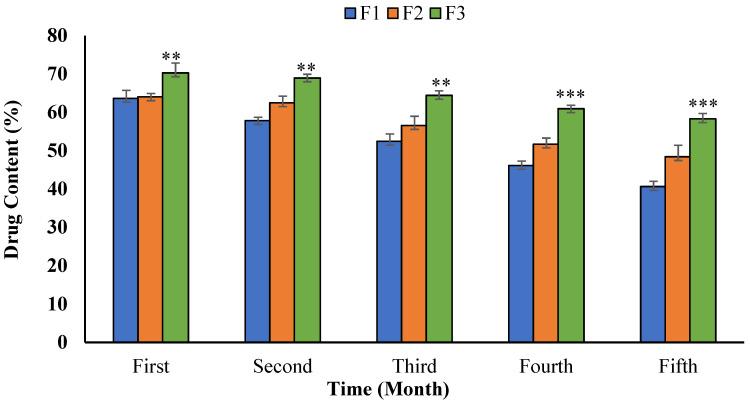
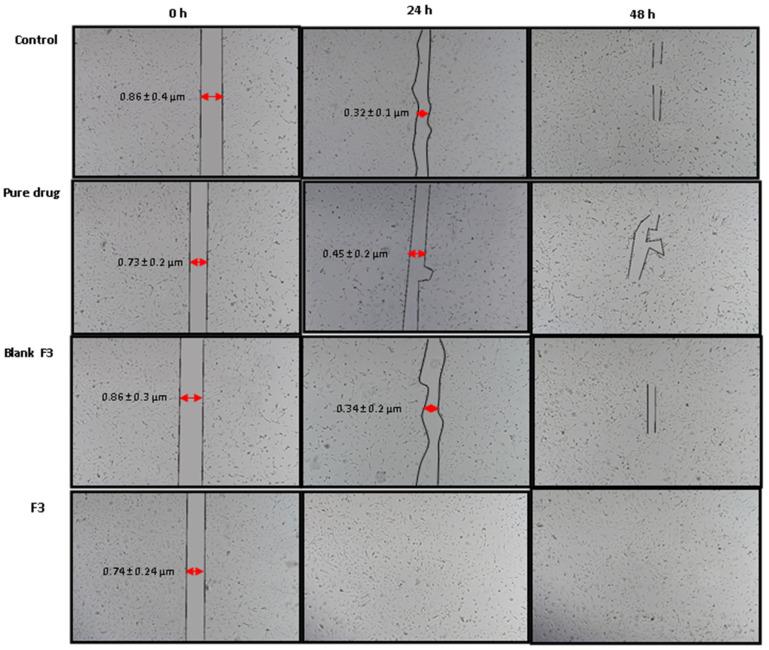
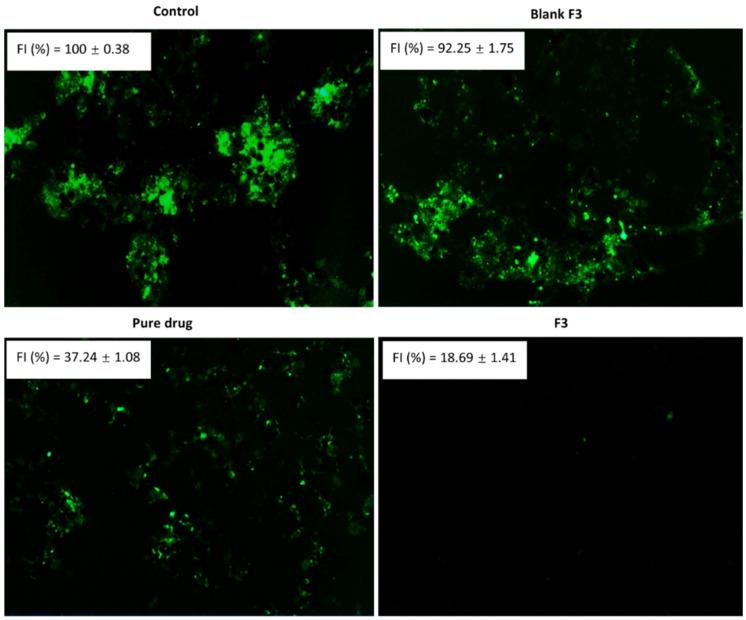
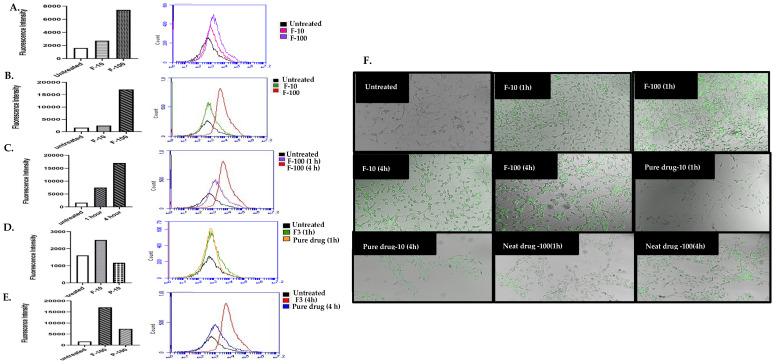
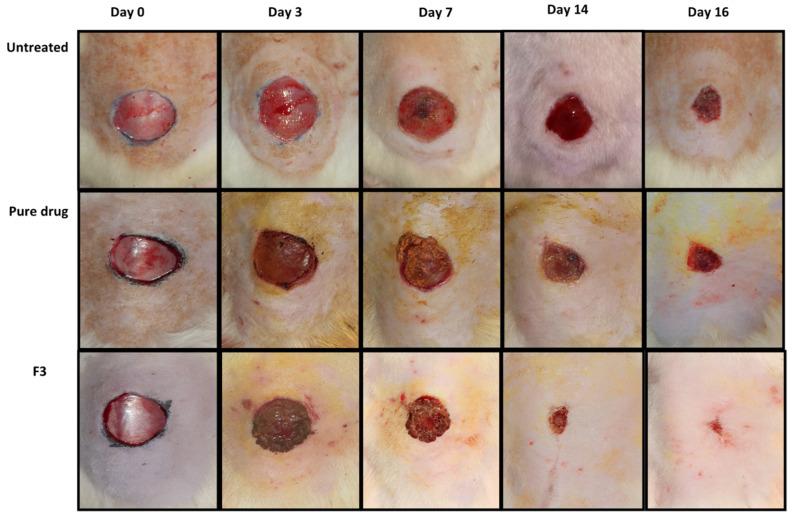
Diabetes, one of the global metabolic disorders, is often associated with delayed wound healing due to the elevated level of free radicals at the wound site, which hampers skin regeneration. This study aimed at developing a curcumin-loaded self-emulsifying drug delivery system (SEDDS) for diabetic wound healing and skin tissue regeneration. For this purpose, various curcumin-loaded SEDDS formulations were prepared and optimized. Then, the SEDDS formulations were characterized by the emulsion droplet size, surface charge, drug content/entrapment efficiency, drug release, and stability. In vitro, the formulations were assessed for the cellular uptake, cytotoxicity, cell migration, and inhibition of the intracellular ROS production in the NIH3T3 fibroblasts. In vivo, the formulations' wound healing and skin regeneration potential were evaluated on the induced diabetic rats. The results indicated that, after being dispersed in the aqueous medium, the optimized SEDDS formulation was readily emulsified and formed a homogenous dispersion with a droplet size of 37.29 ± 3.47 nm, surface charge of -20.75 ± 0.07 mV, and PDI value of less than 0.3. The drug content in the optimized formulation was found to be 70.51% ± 2.31%, with an encapsulation efficiency of 87.36% ± 0.61%. The SEDDS showed a delayed drug release pattern compared to the pure drug solution, and the drug release rate followed the Fickian diffusion kinetically. In the cell culture, the formulations showed lower cytotoxicity, higher cellular uptake, and increased ROS production inhibition, and promoted the cell migration in the scratch assay compared to the pure drug. The in vivo data indicated that the curcumin-loaded SEDDS-treated diabetic rats had significantly faster-wound healing and re-epithelialization compared with the untreated and pure drug-treated groups. Our findings in this work suggest that the curcumin-loaded SEDDS might have great potential in facilitating diabetic wound healing and skin tissue regeneration.
糖尿病是一种全球性的代谢紊乱疾病,由于伤口部位自由基水平升高,常与伤口愈合延迟相关,这会阻碍皮肤再生。本研究旨在开发一种用于糖尿病伤口愈合和皮肤组织再生的载姜黄素自乳化药物递送系统(SEDDS)。为此,制备并优化了各种载姜黄素的SEDDS制剂。然后,通过乳液滴大小、表面电荷、药物含量/包封率、药物释放和稳定性对SEDDS制剂进行表征。在体外,评估制剂在NIH3T3成纤维细胞中的细胞摄取、细胞毒性、细胞迁移以及细胞内活性氧生成的抑制情况。在体内,在诱导的糖尿病大鼠上评估制剂的伤口愈合和皮肤再生潜力。结果表明,优化后的SEDDS制剂分散在水介质中后易于乳化,形成均匀分散体,滴大小为37.29±3.47nm,表面电荷为-20.75±0.07mV,多分散指数(PDI)值小于0.3。优化制剂中的药物含量为70.51%±2.31%,包封效率为87.36%±0.61%。与纯药物溶液相比,SEDDS呈现出延迟的药物释放模式,且药物释放速率符合菲克扩散动力学。在细胞培养中,与纯药物相比,制剂显示出较低的细胞毒性、较高的细胞摄取、增强的活性氧生成抑制,并在划痕试验中促进细胞迁移。体内数据表明,与未治疗组和纯药物治疗组相比,载姜黄素SEDDS治疗的糖尿病大鼠伤口愈合和再上皮化明显更快。我们在这项工作中的发现表明,载姜黄素SEDDS在促进糖尿病伤口愈合和皮肤组织再生方面可能具有巨大潜力。


 Zotero 插件