
JQ-1 通过抑制日本血吸虫的雄性和雌性生殖系统及虫卵发育来改善小鼠的血吸虫病肝肉芽肿。
JQ-1 ameliorates schistosomiasis liver granuloma in mice by suppressing male and female reproductive systems and egg development of Schistosoma japonicum.
机构信息
Department of Microbiology and Parasitology, Anhui Provincial Laboratory of Microbiology and Parasitology, Anhui Key Laboratory of Zoonoses, School of Basic Medical Sciences, Anhui Medical University Hefei, Anhui, People's Republic of China.
Microbiological Laboratory, Anhui Provincial Center for Disease Control and Prevention, Hefei, Anhui, People's Republic of China.
出版信息
PLoS Negl Trop Dis. 2022 Aug 9;16(8):e0010661. doi: 10.1371/journal.pntd.0010661. eCollection 2022 Aug.
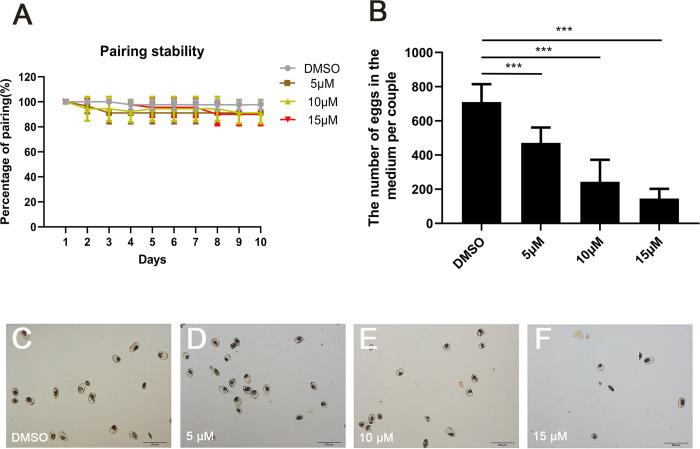
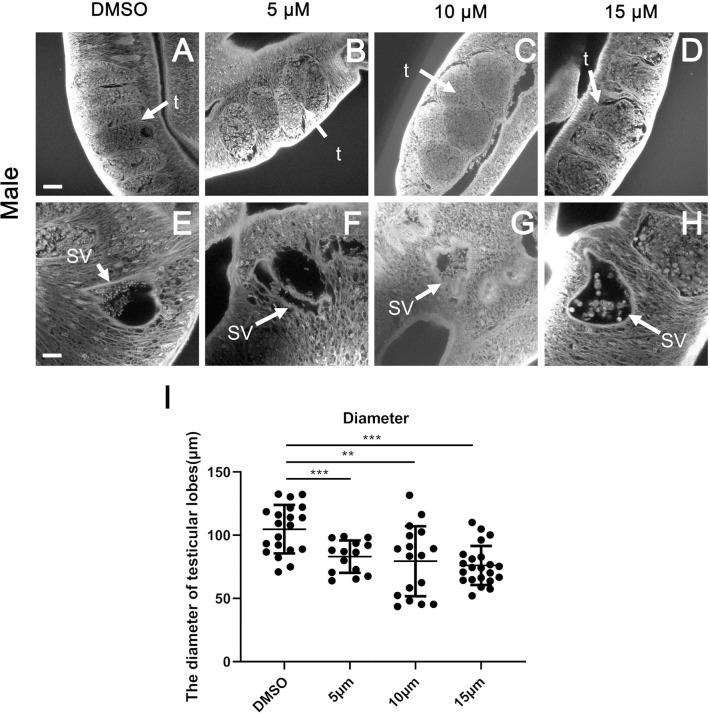
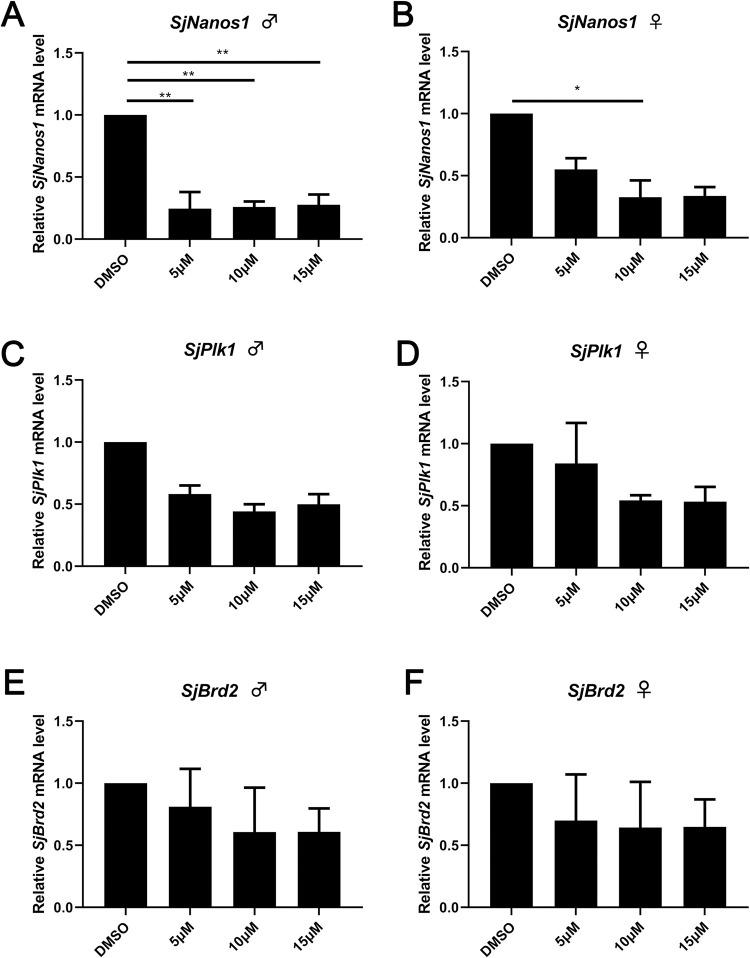
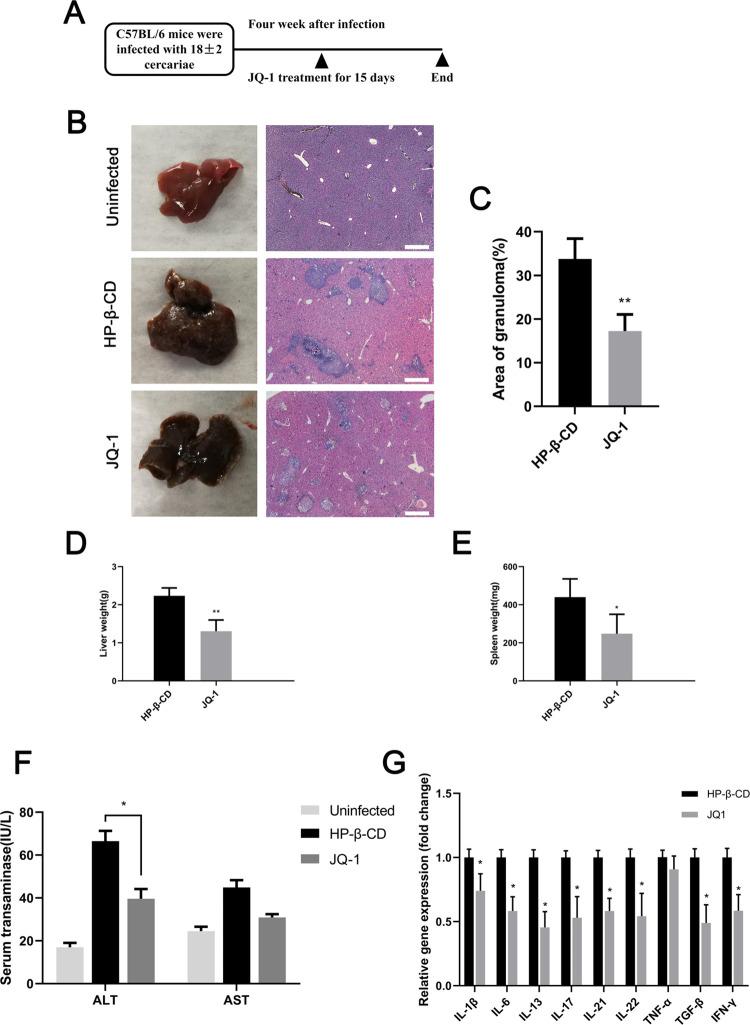
Schistosomiasis is a serious and widespread parasitic disease caused by infection with Schistosoma. Because the parasite's eggs are primarily responsible for schistosomiasis dissemination and pathogenesis, inhibiting egg production is a potential approach to control the spread and severity of the disease. The bromodomain and extra-terminal (BET) proteins represent promising targets for the development of epigenetic drugs against Schistosoma. JQ-1 is a selective inhibitor of the BET protein family. In the present study, JQ-1 was applied to S. japonicum in vitro. By using laser confocal scanning microscopy and EdU incorporation assays, we showed that application of JQ-1 to worms in vitro affected egg laying and the development of both the male and female reproductive systems. JQ-1 also inhibited the expression of the reproductive-related genes SjPlk1 and SjNanos1 in S. japonicum. Mice infected with S. japonicum were treated with JQ-1 during egg granuloma formation. JQ-1 treatment significantly reduced the size of the liver granulomas and levels of serum alanine aminotransferase and aspartate aminotransferase in mice and suppressed both egg laying and the development of male and female S. japonicum reproductive systems in vivo. Moreover, the mRNA expression levels of some proinflammatory cytokines were decreased in the parasites. Our findings suggest that JQ-1 treatment attenuates S. japonicum egg-induced hepatic granuloma due at least in part to suppressing the development of the reproductive system and egg production of S. japonicum. These findings further suggest that JQ-1 or other BET inhibitors warrant additional study as a new approach for the treatment or prevention of schistosomiasis.
血吸虫病是一种由血吸虫感染引起的严重且广泛流行的寄生虫病。由于寄生虫的卵主要负责血吸虫病的传播和发病机制,抑制卵的产生是控制疾病传播和严重程度的一种潜在方法。溴结构域和末端(BET)蛋白是开发针对血吸虫的表观遗传药物的有前途的靶标。JQ-1 是 BET 蛋白家族的选择性抑制剂。在本研究中,JQ-1 被应用于日本血吸虫体外。通过激光共聚焦扫描显微镜和 EdU 掺入试验,我们表明 JQ-1 体外应用于虫体影响产卵和雌雄生殖系统的发育。JQ-1 还抑制了日本血吸虫生殖相关基因 SjPlk1 和 SjNanos1 的表达。在虫卵肉芽肿形成期间,用 JQ-1 治疗感染日本血吸虫的小鼠。JQ-1 处理显著减小了肝肉芽肿的大小,降低了小鼠血清丙氨酸氨基转移酶和天冬氨酸氨基转移酶的水平,并抑制了体内日本血吸虫生殖系统的产卵和发育。此外,一些促炎细胞因子的 mRNA 表达水平在寄生虫中降低。我们的研究结果表明,JQ-1 治疗减轻了日本血吸虫卵诱导的肝肉芽肿,至少部分原因是抑制了日本血吸虫生殖系统的发育和产卵。这些发现进一步表明,JQ-1 或其他 BET 抑制剂值得进一步研究,作为治疗或预防血吸虫病的新方法。




 Zotero 插件