
鉴定与肺鳞状细胞癌中单核细胞浸润相关的潜在预后生物标志物。
Identification of Potential Prognostic Biomarkers Associated with Monocyte Infiltration in Lung Squamous Cell Carcinoma.
机构信息
Department of Lung Cancer Tianjin Medical University Cancer Institute and Hospital, China.
Tianjin Medical University Cancer Institute and Hospital National Clinical Research Center for Cancer, China.
出版信息
Biomed Res Int. 2022 Aug 11;2022:6860510. doi: 10.1155/2022/6860510. eCollection 2022.
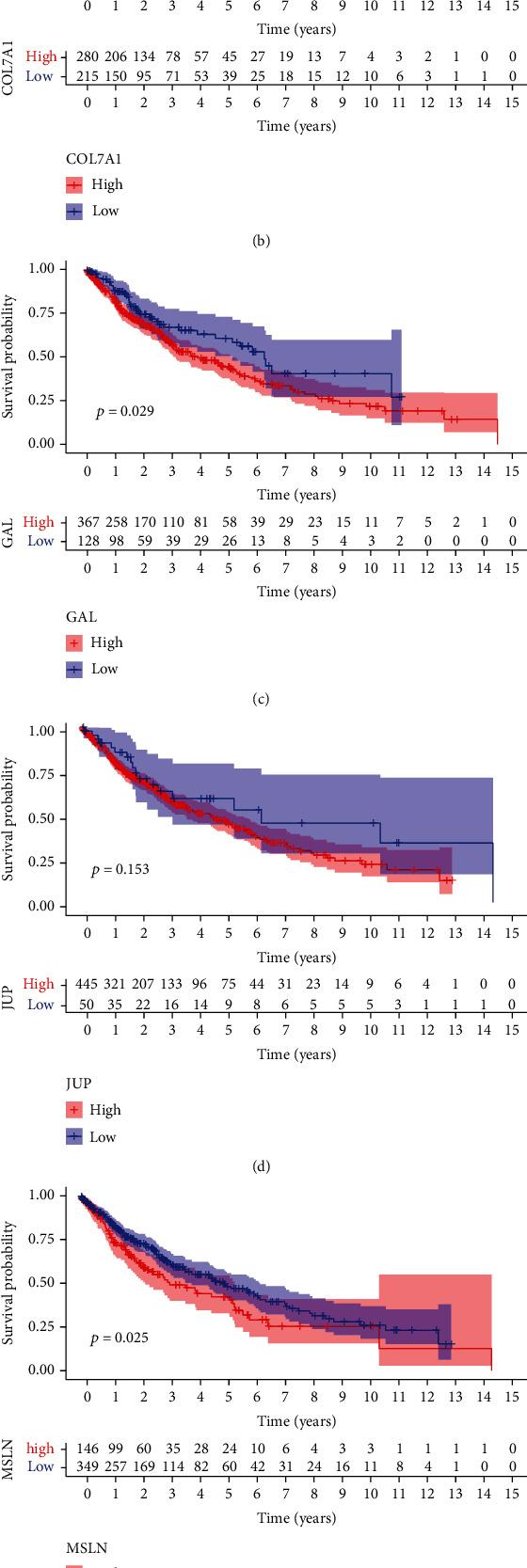
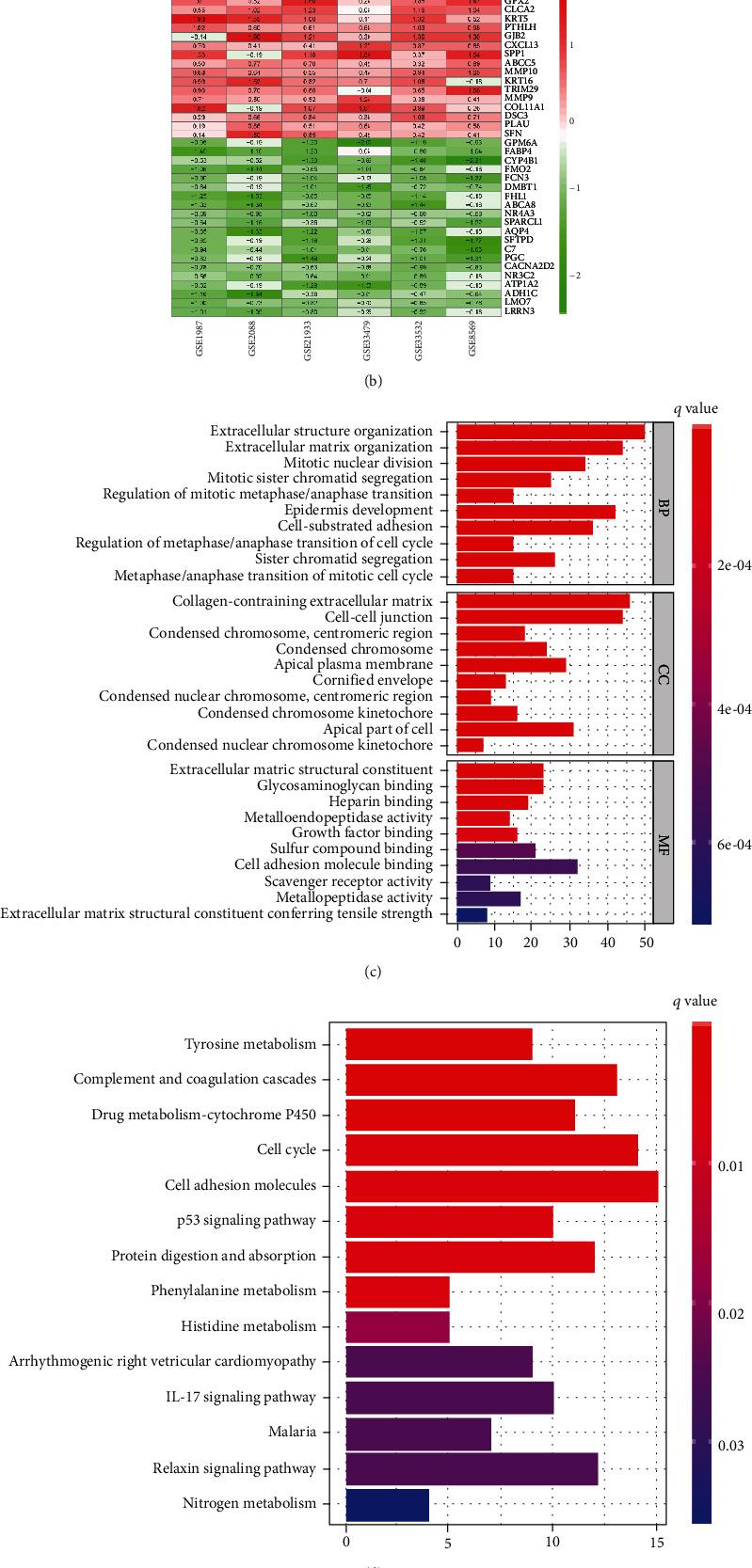
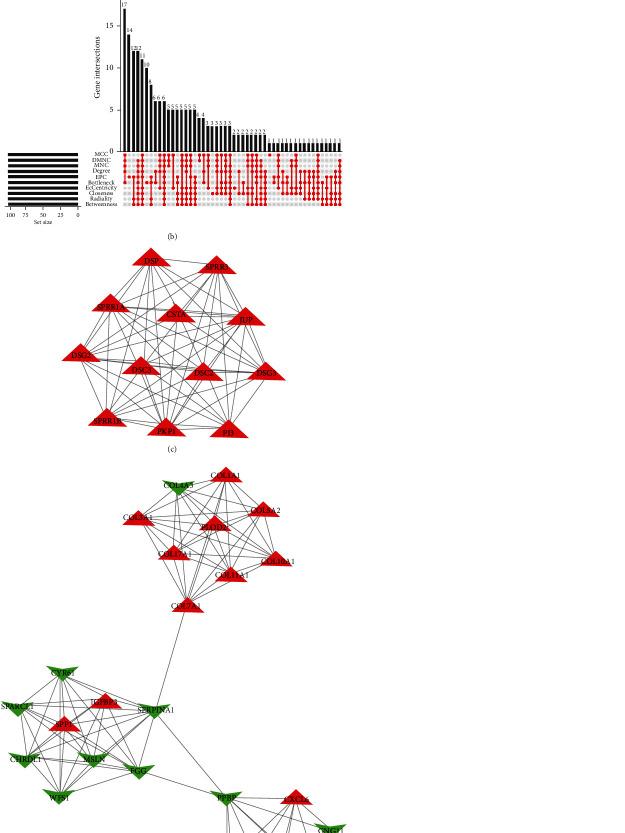
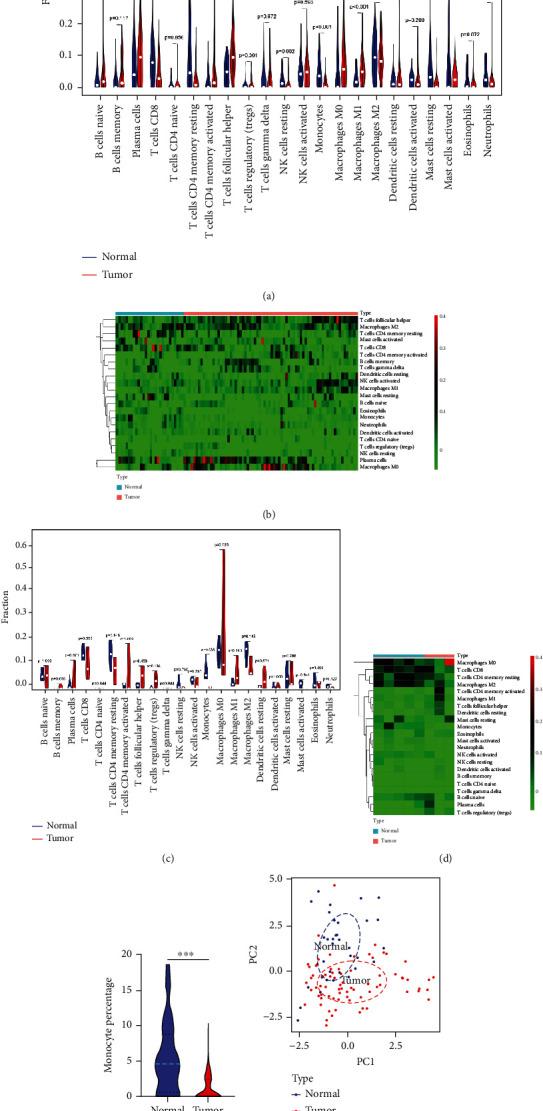
The five-year survival rate of lung squamous cell carcinoma is significantly lower than that of other cancer types. It is therefore urgent to discover novel prognosis biomarkers and therapeutic targets and understand their correction with infiltrating immune cells to improve the prognosis of patients with lung squamous cell carcinoma. In this study, we employed robust rank aggregation algorithms to overcome the shortcomings of small sizes and potential bias in each Gene Expression Omnibus dataset of lung squamous cell carcinoma and identified 513 robust differentially expressed genes including 220 upregulated and 293 downregulated genes from six microarray datasets. Functional enrichment analysis showed that these robust differentially expressed genes were obviously involved in the extracellular matrix and structure organization, epidermis development, cell adhesion molecule binding, p53 signaling pathway, and interleukin-17 signaling pathway to affect the progress of lung squamous cell carcinoma. We further identified six hub genes from 513 robust differentially expressed genes by protein-protein interaction network and 10 topological analyses. Moreover, the results of immune cell infiltration analysis from six integrated Gene Expression Omnibus datasets and our sequencing transcriptome data demonstrated that the abundance of monocytes was significantly lower in lung squamous cell carcinoma compared to controls. Immune correlation analysis and survival analysis of hub genes suggested that three hub genes, collagen alpha-1(VII) chain, mesothelin, and chordin-like protein 1, significantly correlated with tumor-infiltrating monocytes as well as may be potential prognostic biomarkers and therapy targets in lung squamous cell carcinoma. The investigation of the correlation of hub gene markers and infiltrating monocytes can also improve to well understand the molecular mechanisms of lung squamous cell carcinoma development.
肺鳞状细胞癌的五年生存率明显低于其他癌症类型。因此,迫切需要发现新的预后生物标志物和治疗靶点,并了解它们与浸润免疫细胞的关系,以改善肺鳞状细胞癌患者的预后。在这项研究中,我们采用了稳健的秩聚合算法,克服了肺鳞状细胞癌每个基因表达综合数据集小样本量和潜在偏倚的缺点,从六个微阵列数据集鉴定出 513 个稳健差异表达基因,包括 220 个上调基因和 293 个下调基因。功能富集分析表明,这些稳健差异表达基因明显参与细胞外基质和结构组织、表皮发育、细胞黏附分子结合、p53 信号通路和白细胞介素-17 信号通路,影响肺鳞状细胞癌的进展。我们进一步通过蛋白质-蛋白质相互作用网络和 10 个拓扑分析从 513 个稳健差异表达基因中鉴定出 6 个枢纽基因。此外,从六个整合基因表达综合数据集和我们的测序转录组数据进行的免疫细胞浸润分析结果表明,与对照相比,肺鳞状细胞癌中单核细胞的丰度明显降低。枢纽基因的免疫相关性分析和生存分析表明,三个枢纽基因,胶原α-1(VII)链、间皮素和类 Chordin 蛋白 1,与肿瘤浸润单核细胞显著相关,可能是肺鳞状细胞癌的潜在预后生物标志物和治疗靶点。研究枢纽基因标志物与浸润单核细胞的相关性也可以改善对肺鳞状细胞癌发生发展的分子机制的理解。



 Zotero 插件