
循环 microRNAs 与慢性恰加斯心肌病心肌受累严重程度的关系。
Circulating MicroRNAs and myocardial involvement severity in chronic Chagas cardiomyopathy.
机构信息
Institute of Social and Preventive Medicine (ISPM), University of Bern, Bern, Switzerland.
Research Center, Fundación Cardiovascular de Colombia, Floridablanca, Colombia.
出版信息
Front Cell Infect Microbiol. 2022 Aug 8;12:922189. doi: 10.3389/fcimb.2022.922189. eCollection 2022.
BACKGROUND
Chronic Chagas Cardiomyopathy (CCM) is characterized by a unique pathophysiology in which inflammatory, microvascular and neuroendocrine processes coalesce in the development of one of the most severe cardiomyopathies affecting humans. Despite significant advances in understanding the molecular mechanisms involved in this disease, scarce information is available regarding microRNAs and clinical parameters of disease severity. We aimed to evaluate the association between circulating levels of six microRNAs with markers of myocardial injury and prognosis in this population.
METHODS
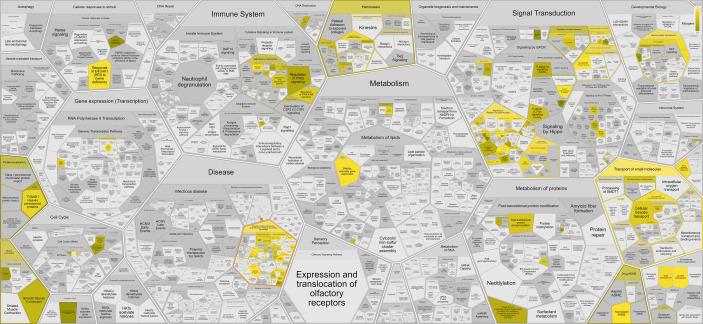
Patients with CCM and reduced ejection fraction were included in a prospective exploratory cohort study. We assessed the association of natural log-transformed values of six circulating microRNAs (miR-34a-5p, miR-208a-5p, miR-185-5p, miR-223-5p, let-7d-5p, and miR-454-5p) with NT-proBNP levels and echocardiographic variables using linear regression models adjusted for potential confounders. By using Cox Proportional Hazard models, we examined whether levels of microRNAs could predict a composite outcome (CO), including all-cause mortality, cardiac transplantation, and implantation of a left ventricular assist device (LVAD). Finally, for mRNAs showing significant associations, we predicted the target genes and performed pathway analyses using Targetscan and Reactome Pathway Browser.
RESULTS
Seventy-four patients were included (59% males, median age: 64 years). After adjustment for age, sex, body mass index, and heart failure medications, only increasing miR-223-5p relative expression levels were significantly associated with better myocardial function markers, including left atrium area (Coef. -10.2; 95% CI -16.35; -4.09), end-systolic (Coef. -45.3; 95% CI -74.06; -16.61) and end-diastolic volumes (Coef. -46.1; 95% CI -81.99; -10.26) of the left ventricle. Moreover, we observed that higher miR-223-5p levels were associated with better left-ventricle ejection fraction and lower NT-proBNP levels. No associations were observed between the six microRNAs and the composite outcome. A total of 123 target genes for miR-223-5p were obtained. From these, several target pathways mainly related to signaling by receptor tyrosine kinases were identified.
CONCLUSIONS
The present study found an association between miR-223-5p and clinical parameters of CCM, with signaling pathways related to receptor tyrosine kinases as a potential mechanism linking low levels of miR-223-5p with CCM worsening.
背景
慢性恰加斯心肌病(Chronic Chagas Cardiomyopathy,CCM)的特征在于独特的病理生理学,其中炎症、微血管和神经内分泌过程在影响人类的最严重心肌病之一的发展中融合在一起。尽管在理解这种疾病涉及的分子机制方面取得了重大进展,但关于 microRNAs 和疾病严重程度的临床参数的信息却很少。我们旨在评估循环中六种 microRNAs 与该人群心肌损伤和预后标志物之间的关联。
方法
将射血分数降低的 CCM 患者纳入前瞻性探索性队列研究。我们使用线性回归模型评估了六种循环 microRNAs(miR-34a-5p、miR-208a-5p、miR-185-5p、miR-223-5p、let-7d-5p 和 miR-454-5p)的自然对数转换值与 NT-proBNP 水平和超声心动图变量之间的关联,并针对潜在的混杂因素进行了调整。通过使用 Cox 比例风险模型,我们检查了 microRNAs 的水平是否可以预测复合结局(CO),包括全因死亡率、心脏移植和左心室辅助装置(LVAD)的植入。最后,对于显示出显著关联的 mRNAs,我们使用 Targetscan 和 Reactome Pathway Browser 预测了靶基因并进行了途径分析。
结果
共纳入 74 例患者(59%为男性,中位年龄 64 岁)。在调整年龄、性别、体重指数和心力衰竭药物后,只有 miR-223-5p 的相对表达水平增加与更好的心肌功能标志物相关,包括左心房面积(系数-10.2;95%CI-16.35;-4.09)、收缩末期(系数-45.3;95%CI-74.06;-16.61)和舒张末期容积(系数-46.1;95%CI-81.99;-10.26)。此外,我们观察到 miR-223-5p 水平较高与左心室射血分数较高和 NT-proBNP 水平较低有关。六种 microRNAs 与复合结局之间均无关联。获得了 123 个 miR-223-5p 的靶基因。从这些基因中,确定了几个主要与受体酪氨酸激酶信号相关的靶途径。
结论
本研究发现 miR-223-5p 与 CCM 的临床参数之间存在关联,与受体酪氨酸激酶信号相关的途径可能是将 miR-223-5p 水平降低与 CCM 恶化联系起来的潜在机制。
 Zotero 插件