
头颈部鳞状细胞癌中 GPNMB 阳性细胞——其在癌症干性、治疗抵抗和转移中的作用。
GPNMB-Positive Cells in Head and Neck Squamous Cell Carcinoma-Their Roles in Cancer Stemness, Therapy Resistance, and Metastasis.
机构信息
Department of Otorhinolaryngology and Head-and-Neck Surgery, Akita University Graduate School of Medicine, Akita, Japan.
Department of Molecular and Tumour Pathology, Akita University Graduate School of Medicine, Akita, Japan.
出版信息
Pathol Oncol Res. 2022 Aug 19;28:1610450. doi: 10.3389/pore.2022.1610450. eCollection 2022.
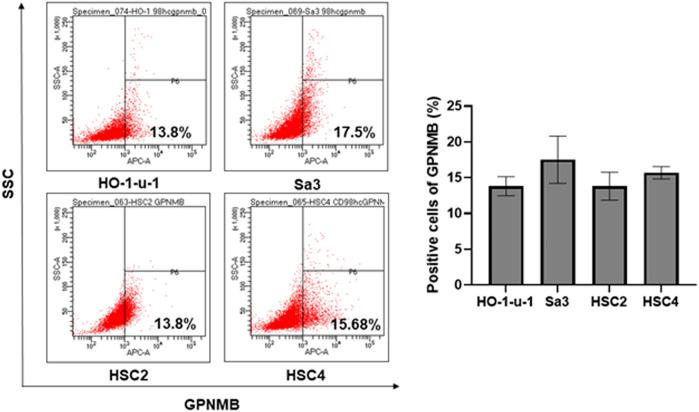
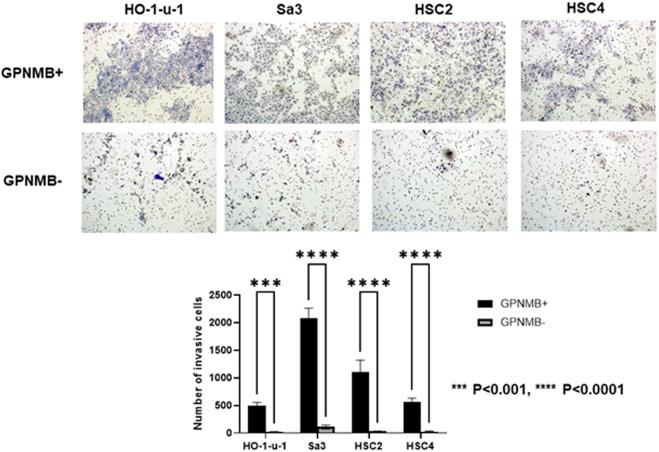
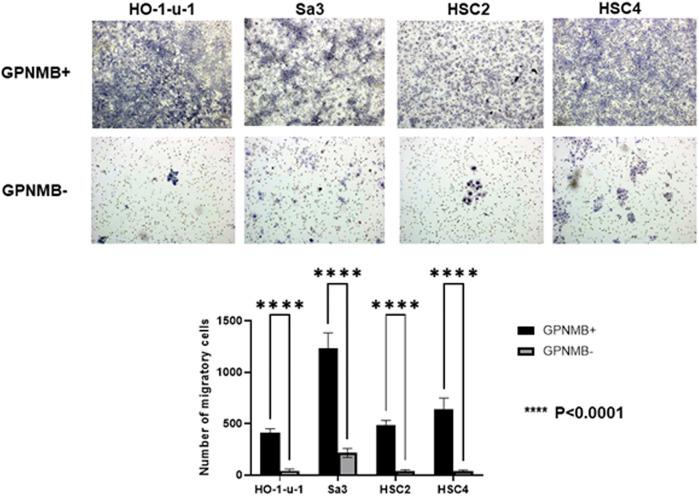
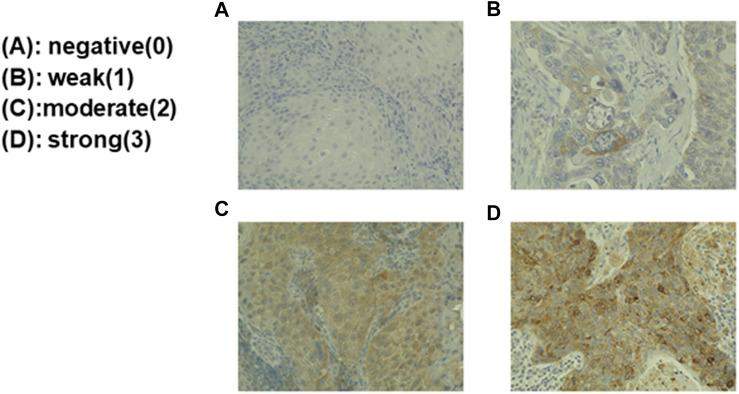
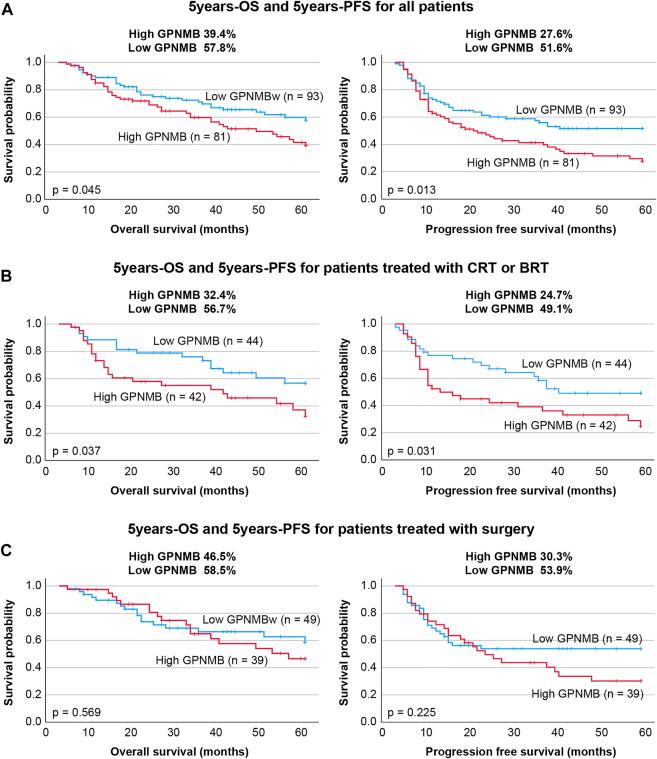
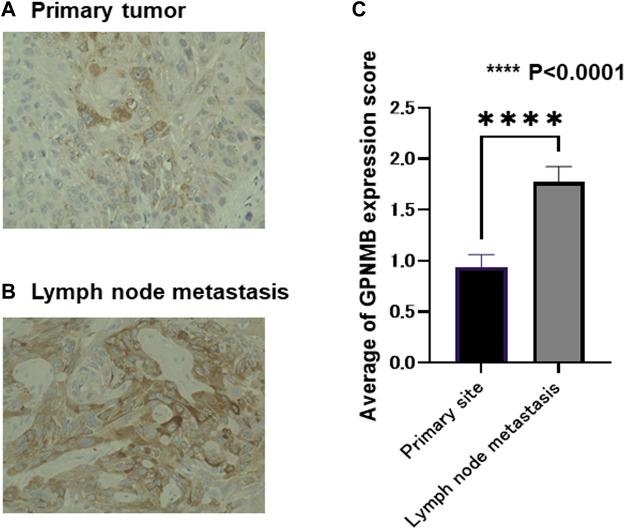
Despite the use of surgical and chemoradiation therapies, head and neck squamous cell carcinoma (HNSCC) still has a poor prognosis. Immune checkpoint inhibitors have been shown to prolong life expectancy but have limited efficacy. Glycoprotein nonmetastatic melanoma protein B (GPNMB) has received significant attention in breast cancer treatment, in which it has been associated with cancer stem cells (CSCs) and epithelial-mesenchymal transition (EMT); however, the function of GPNMB in HNSCC is completely unknown. This study aimed to clarify the characteristics of GPNMB-positive cells and their association with the prognosis by immunostaining clinical specimens. We examined the sphere formation, invasion, and migration ability of GPNMB-positive cells in four HNSCC cell lines . We also immunostained biopsy specimens with GPNMB from 174 patients with HNSCC diagnosed, treated, and followed-up in our institution to evaluate overall survival and progression-free survival. GPNMB-positive cells showed enhanced sphere formation, invasion, and migration, suggesting that they could have CSC characteristics and the ability to induce EMT, as reported for breast cancer. Clinical specimens showed that overall survival was 39.4% and 57.8% ( = 0.045) and that progression-free survival was 27.6% and 51.6% ( = 0.013) for the high-expression and the low-expression groups, respectively, indicating poor prognosis for the high GPNMB group. The high GPNMB group was also more resistant to chemoradiation and bioradiotherapy. GPNMB was more highly expressed in metastatic lymph nodes than in the primary tumor. GPNMB-positive cells might have CSC characteristics and induce EMT. Detailed functional analyses of GPNMB in HNSCC and the establishment of therapies targeting GPNMB will lead to improved prognoses.
尽管采用了手术和放化疗,头颈部鳞状细胞癌(HNSCC)的预后仍然较差。免疫检查点抑制剂已被证明可以延长预期寿命,但疗效有限。糖蛋白非转移性黑色素瘤蛋白 B(GPNMB)在乳腺癌治疗中受到了广泛关注,与癌症干细胞(CSC)和上皮-间充质转化(EMT)有关;然而,GPNMB 在 HNSCC 中的功能尚完全未知。本研究旨在通过免疫组织化学染色临床标本,阐明 GPNMB 阳性细胞的特征及其与预后的关系。我们检查了 GPNMB 阳性细胞在四种 HNSCC 细胞系中的球体形成、侵袭和迁移能力。我们还使用 GPNMB 对来自 174 例在我们机构诊断、治疗和随访的 HNSCC 患者的活检标本进行了免疫染色,以评估总生存率和无进展生存率。GPNMB 阳性细胞表现出增强的球体形成、侵袭和迁移能力,表明它们可能具有 CSC 特征和诱导 EMT 的能力,正如乳腺癌报道的那样。临床标本显示,高表达组的总生存率为 39.4%和 57.8%(=0.045),无进展生存率为 27.6%和 51.6%(=0.013),表明高 GPNMB 组的预后较差。高 GPNMB 组对放化疗和放化疗也更具抵抗力。转移性淋巴结中的 GPNMB 表达高于原发性肿瘤。GPNMB 阳性细胞可能具有 CSC 特征并诱导 EMT。详细的 GPNMB 在 HNSCC 中的功能分析以及针对 GPNMB 的治疗方法的建立将改善预后。



 Zotero 插件