
利伯遗传性视神经病变中艾地苯醌治疗的视网膜形态和功能反应。
Retinal morphological and functional response to Idebenone therapy in Leber hereditary optic neuropathy.
机构信息
Department of Physiology, University of Medicine and Pharmacy of Craiova, Romania;
出版信息
Rom J Morphol Embryol. 2022 Jan-Mar;63(1):213-219. doi: 10.47162/RJME.63.1.24.
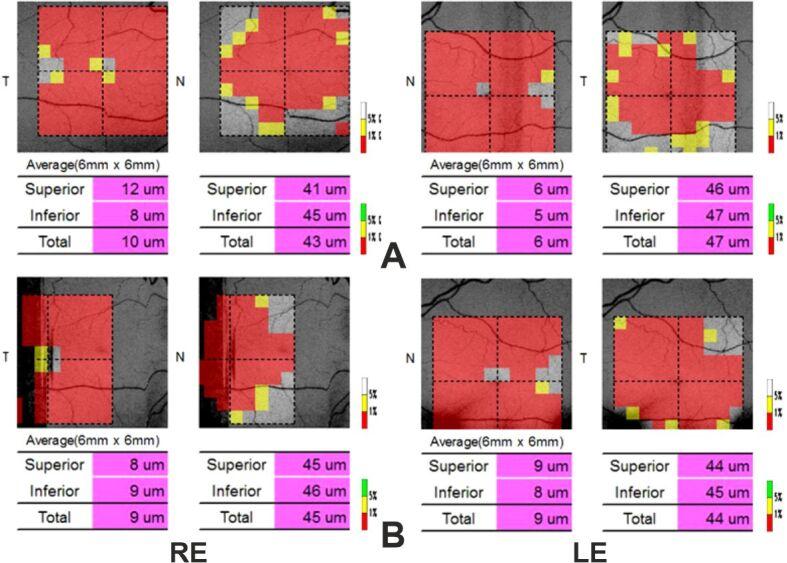
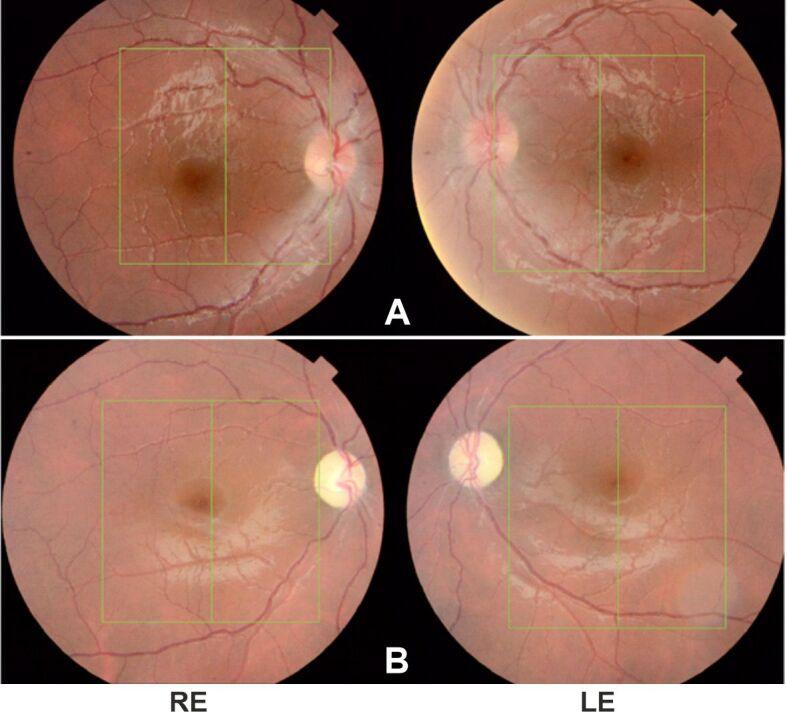
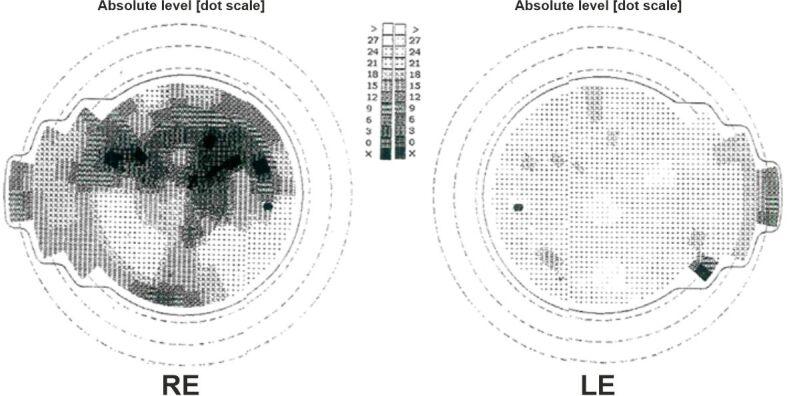
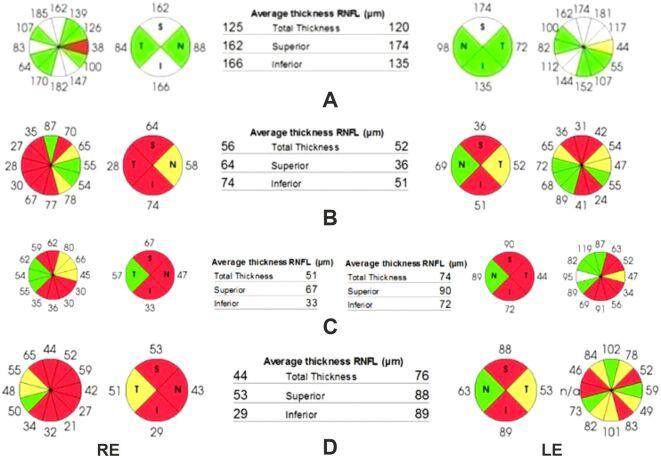
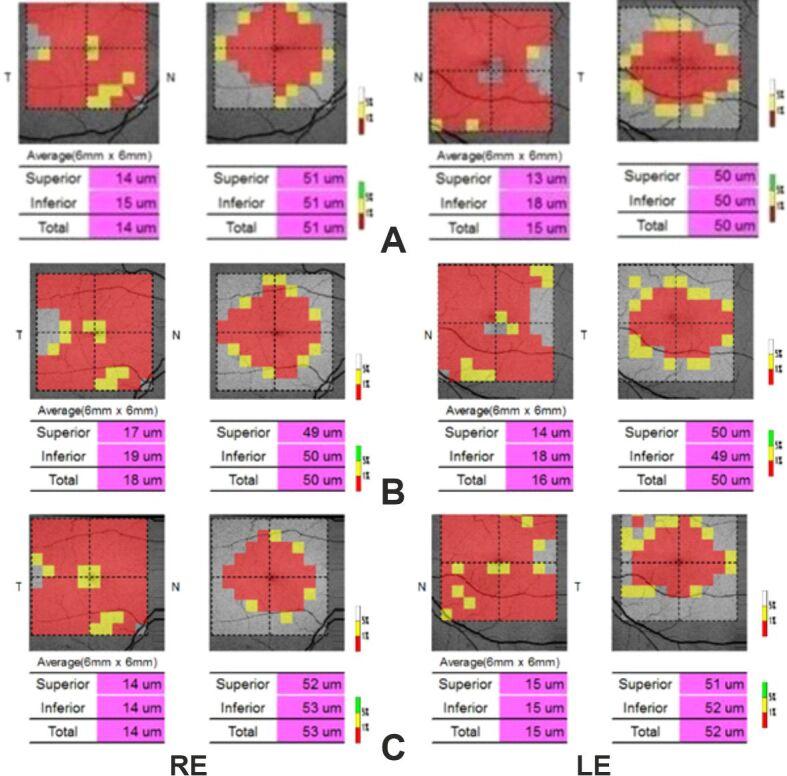
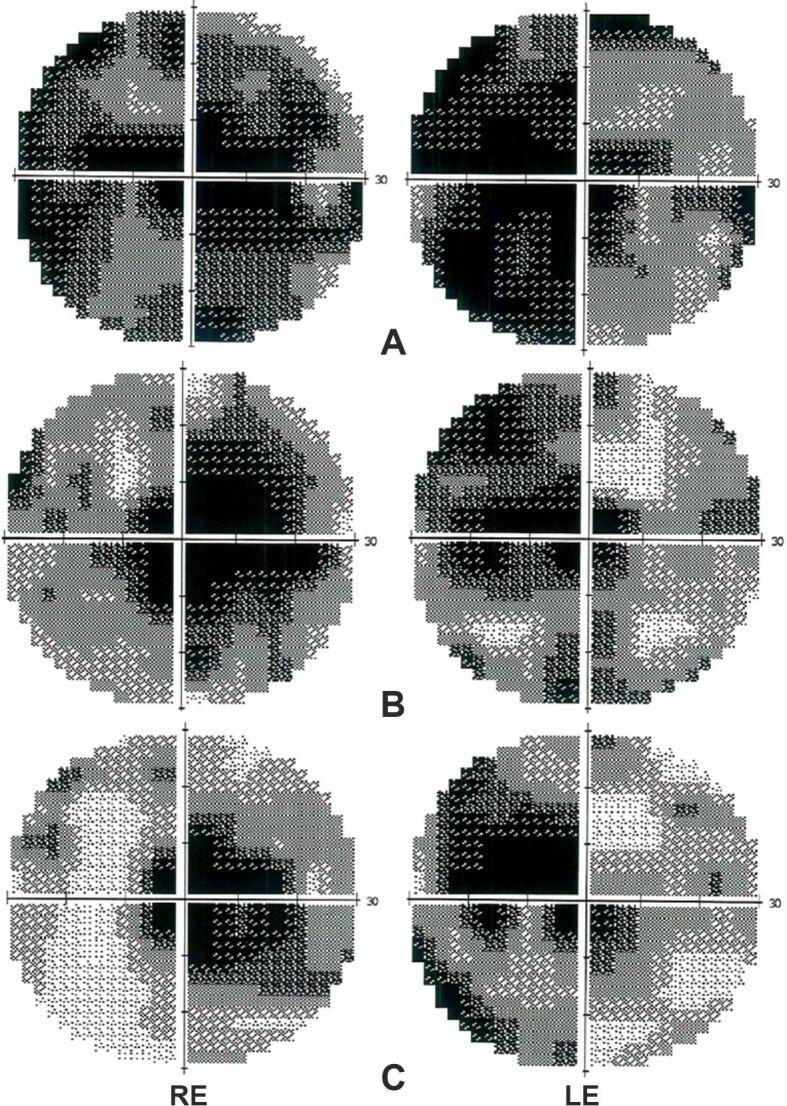
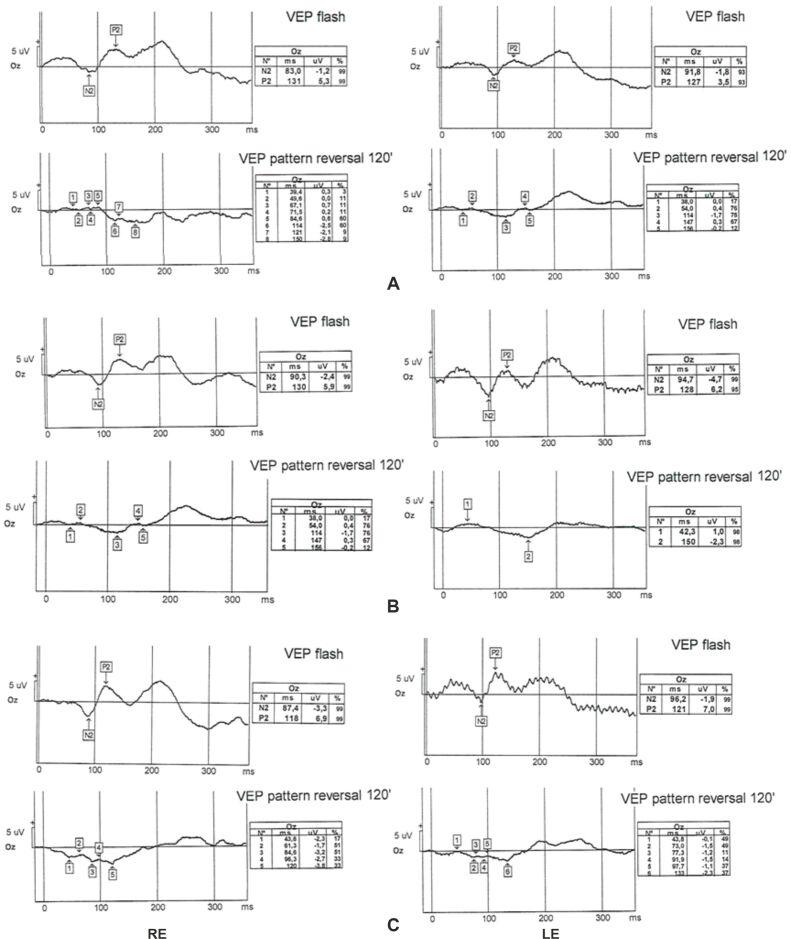
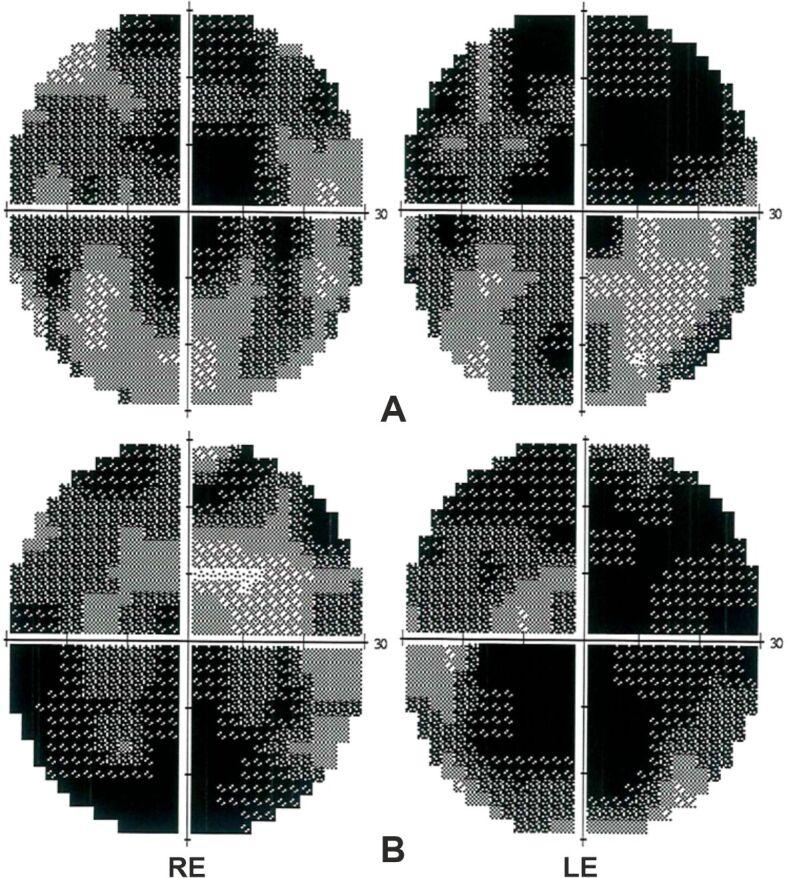
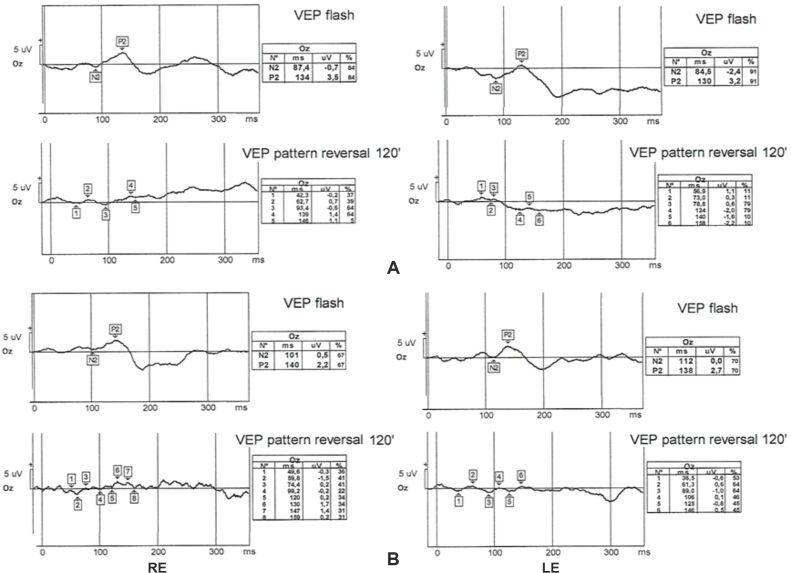
Leber hereditary optic neuropathy (LHON) is a mitochondrial disease leading to optic atrophy due to degeneration of the retinal ganglion cell. A curative treatment is not available at the moment, but a new antioxidant drug, Idebenone, is expected to reduce the progression of the disorder. Two male patients, genetically confirmed with LHON, were clinically, morphologically, and electrophysiologically evaluated, before and three, six, nine and 12 months after starting the treatment. The patient with 3460G>A mutation in mitochondrially-encoded nicotinamide adenine dinucleotide, reduced form (NADH):ubiquinone oxidoreductase core subunit (mtND)1 gene showed an improvement in visual acuity, visual field, and visual evoked potentials with no effect on morphological examinations, while the patient with 11778G>A mutation in mtND4 gene showed no functional, nor morphological recovery after one year of treatment. This study demonstrates that Idebenone, depending on the genetic profile of the disease, may be effective in functional improvement in patients with LHON.
Leber 遗传性视神经病变(LHON)是一种线粒体疾病,由于视网膜神经节细胞变性而导致视神经萎缩。目前尚无治愈方法,但一种新的抗氧化药物艾地苯醌有望减缓该疾病的进展。两名男性患者经基因检测确诊为 LHON,在开始治疗前以及治疗后 3、6、9 和 12 个月进行了临床、形态和电生理评估。携带线粒体编码烟酰胺腺嘌呤二核苷酸,还原型(NADH):泛醌氧化还原酶核心亚基(mtND)1 基因 3460G>A 突变的患者视力、视野和视觉诱发电位均有所改善,形态学检查无影响,而携带 mtND4 基因 11778G>A 突变的患者在治疗一年后功能和形态均无恢复。本研究表明,依地苯醌可能根据疾病的遗传特征,有效改善 LHON 患者的功能。


 Zotero 插件