
CTLA4 相关自身免疫在子宫内膜异位症及相关不孕发病机制中的作用:系统评价。
CTLA4-Linked Autoimmunity in the Pathogenesis of Endometriosis and Related Infertility: A Systematic Review.
机构信息
Department of Obstetrics and Gynecology, Clinical Hospital Center Zagreb, 10000 Zagreb, Croatia.
Department of Obstetrics and Gynecology, Clinical Hospital Center Sestre Milosrdnice, 10000 Zagreb, Croatia.
出版信息
Int J Mol Sci. 2022 Sep 18;23(18):10902. doi: 10.3390/ijms231810902.
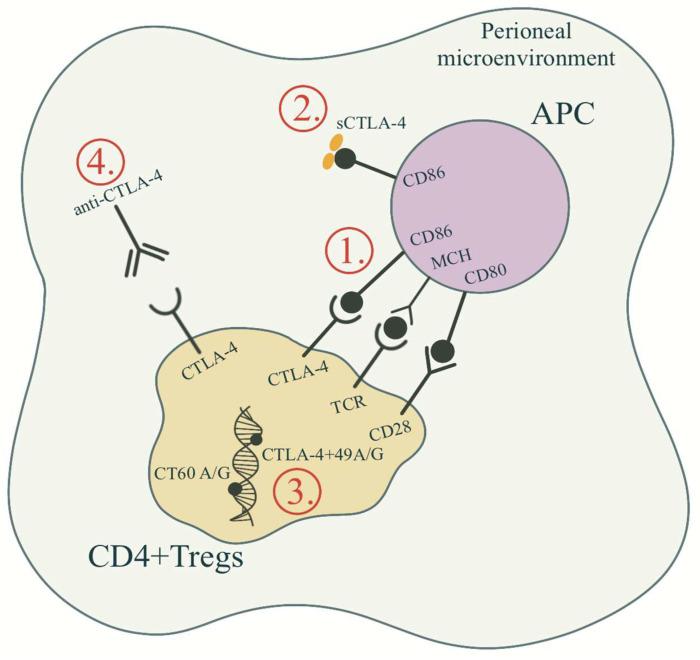
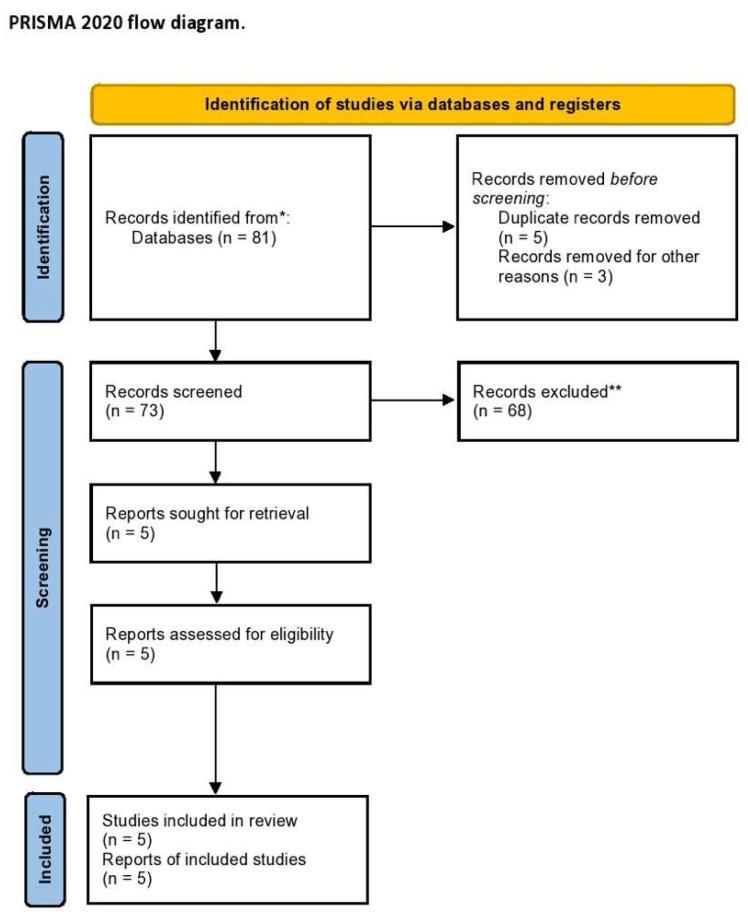
Several studies, although with conflicting results, have sought to determine the concentration of soluble CTLA4 antigens in peripheral blood plasma and peritoneal fluid in patients with endometriosis-related infertility. A systematic review was performed according to the Preferred Reporting Items for Systematic Reviews and Meta-Analyses (PRISMA) through a search of the following databases: MEDLINE, EMBASE, Global Health, The Cochrane Library, Health Technology Assessment Database and Web of Science, and Clinical Trials research register. We included observational or prospective human and animal studies with any features related to endometriosis and/or infertility studies involving CTLA4-related pathogenesis published in English. The results of studies in which the size and characteristics of the observed groups were not stated were excluded. From the initial pool of 73 publications identified and screened, we finally included 5 articles to summarize the most recent knowledge about CTLA4-linked autoimmunity in the pathogenesis of endometriosis and related infertility. Evidence from clinical studies shows that CTLA4-based autoimmunity is involved in the maintenance of chronic inflammation in the peritoneal environment, with pre-clinical evidence of anti-CTLA antibodies as a potential novel target therapy for endometriosis. However, CTLA4 gene analyses do not support findings of CTLA4-linked autoimmunity as a primary determinant of the pathogenesis of endometriosis. These findings underlie the role of complex interactions within the family of immune checkpoint molecules involved. Further studies are needed to investigate the clinical relevance of anti-CTLA target therapy, taking into account the potential adverse events and repercussions of novel immunologic therapy modalities. However, with the general scarcity of studies investigating this topic, the clinical importance of CTLA4 autoimmunity still remains unclear.
几项研究尽管结果相互矛盾,但都试图确定子宫内膜异位症相关不孕患者外周血血浆和腹腔液中可溶性 CTLA4 抗原的浓度。通过对以下数据库进行搜索,按照系统评价和荟萃分析的首选报告项目(PRISMA)进行了系统评价:MEDLINE、EMBASE、全球健康、考科兰图书馆、卫生技术评估数据库和 Web of Science 以及临床试验研究登记处。我们纳入了与子宫内膜异位症和/或涉及 CTLA4 相关发病机制的不孕研究相关的任何特征的观察性或前瞻性人类和动物研究,这些研究以英文发表。排除了未说明观察组大小和特征的研究结果。从最初确定和筛选的 73 篇论文中,我们最终纳入了 5 篇文章,以总结有关 CTLA4 相关自身免疫在子宫内膜异位症发病机制及相关不孕中的最新知识。临床研究证据表明,CTLA4 相关自身免疫参与维持腹腔环境中的慢性炎症,临床前证据表明抗 CTLA 抗体是子宫内膜异位症的一种潜在新型靶向治疗方法。然而,CTLA4 基因分析不支持 CTLA4 相关自身免疫作为子宫内膜异位症发病机制的主要决定因素的发现。这些发现是基于涉及的免疫检查点分子家族内复杂相互作用的作用。需要进一步研究抗 CTLA 靶向治疗的临床相关性,同时考虑新型免疫治疗方法的潜在不良事件和影响。然而,鉴于研究这一主题的研究普遍缺乏,CTLA4 自身免疫的临床重要性仍不清楚。
 Zotero 插件