
使用生物活性自纳米乳化药物递送系统(BIO-SNEDDSs)的雷米普利与黑种草籽油联合剂型
Combined Ramipril and Black Seed Oil Dosage Forms Using Bioactive Self-Nanoemulsifying Drug Delivery Systems (BIO-SNEDDSs).
作者信息
Shahba Ahmad Abdul-Wahhab, Sherif Abdelrahman Y, Elzayat Ehab M, Kazi Mohsin
机构信息
Department of Pharmaceutics, College of Pharmacy, King Saud University, P.O. Box-2457, Riyadh 11451, Saudi Arabia.
Kayyali Chair for Pharmaceutical Industries, Department of Pharmaceutics, College of Pharmacy, King Saud University, Riyadh 11451, Saudi Arabia.
出版信息
Pharmaceuticals (Basel). 2022 Sep 8;15(9):1120. doi: 10.3390/ph15091120.
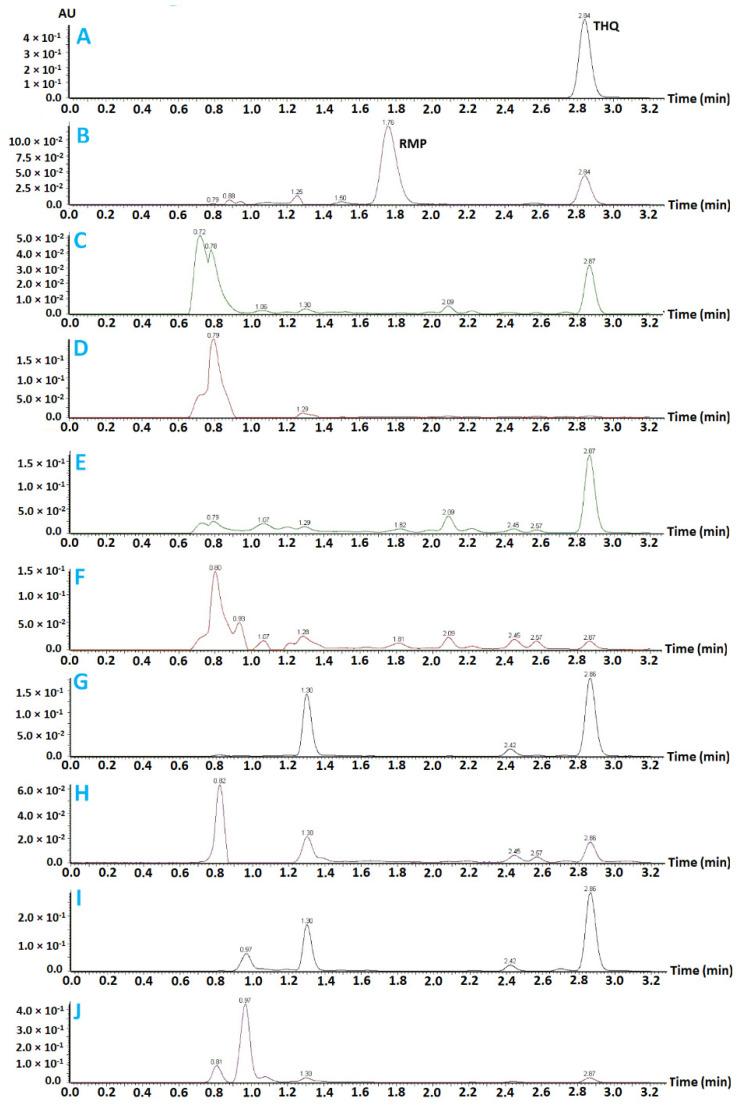
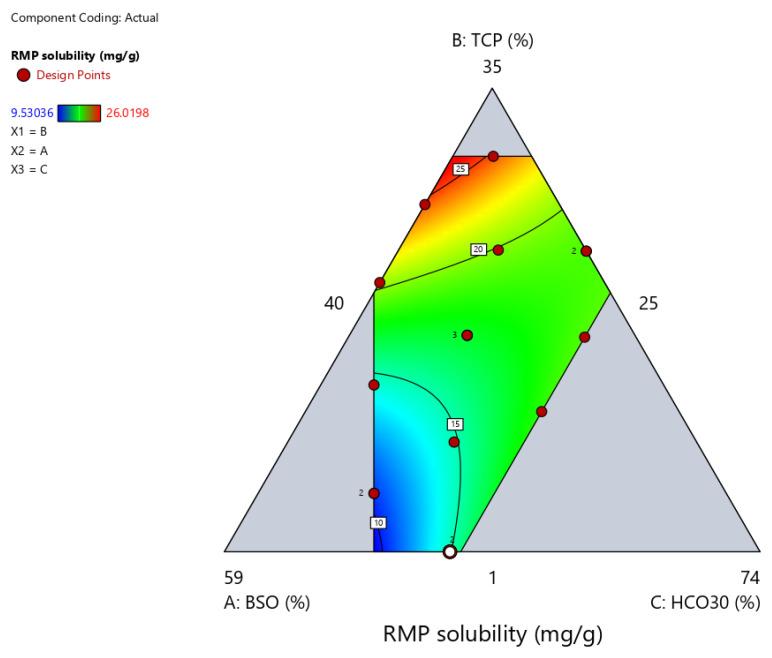
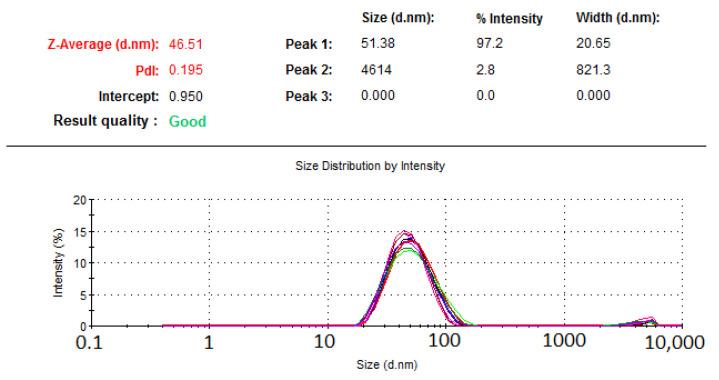
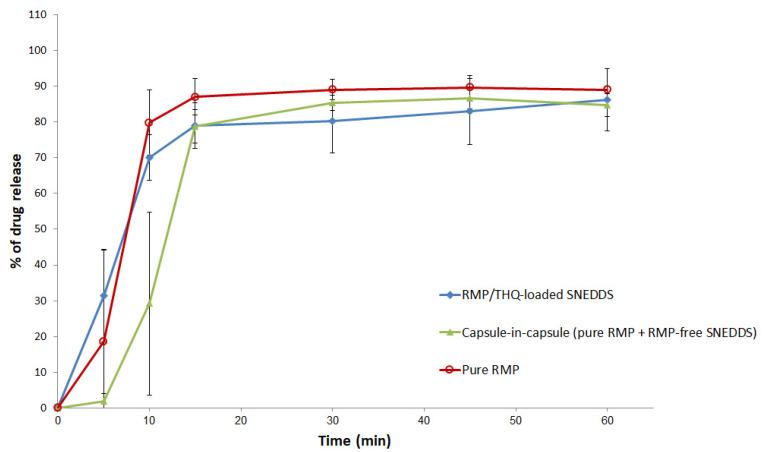
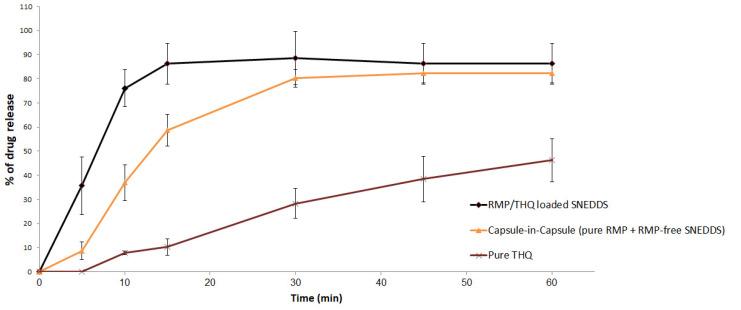
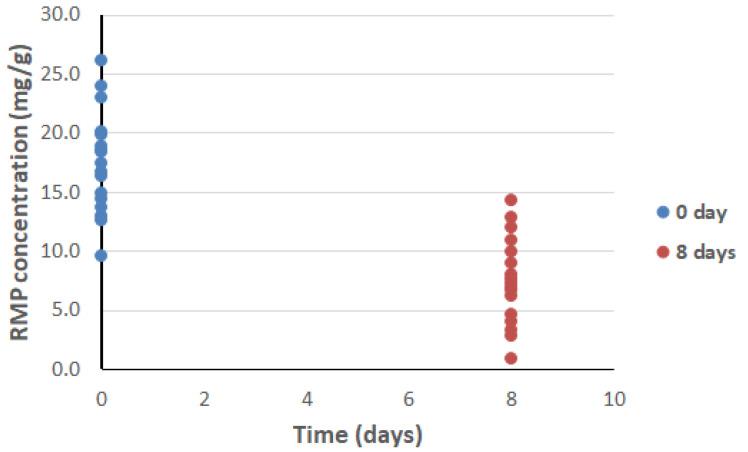
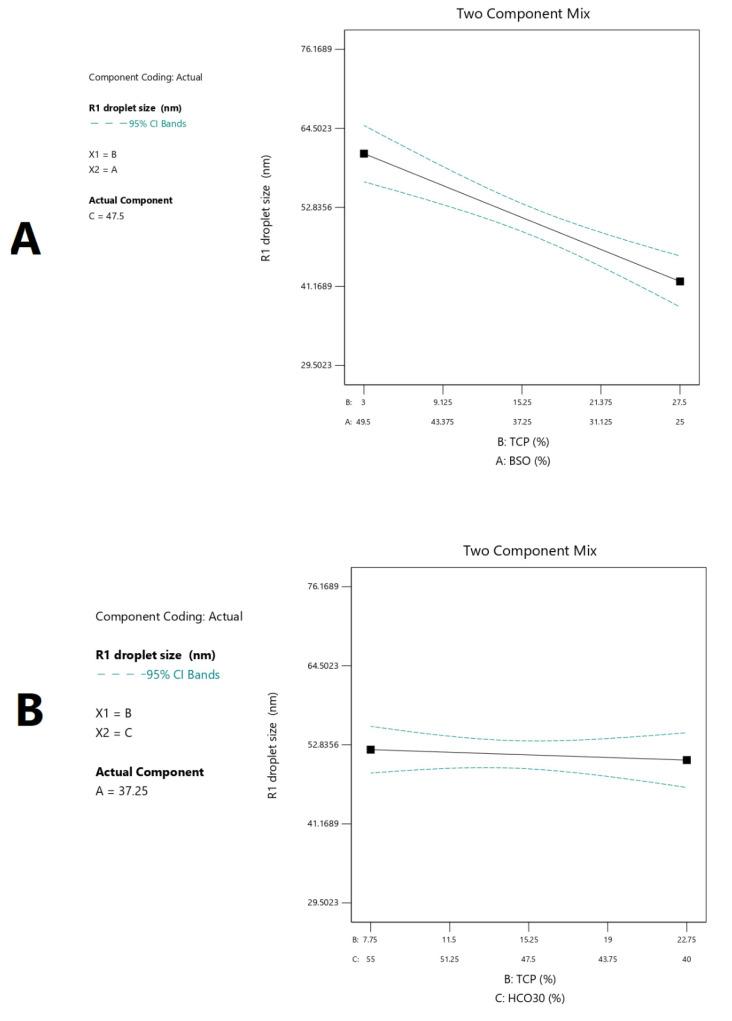
Purpose: Ramipril (RMP)—an angiotensin-converting enzyme (ACE) inhibitor—and thymoquinone (THQ) suffer from poor oral bioavailability. Developing a combined liquid SNEDDS that comprises RMP and black seed oil (as a natural source of THQ) could lead to several formulations and therapeutic benefits. Methods: The present study involved comprehensive optimization of RMP/THQ liquid SNEDDS using self-emulsification assessment, equilibrium solubility studies, droplet size analysis, and experimentally designed phase diagrams. In addition, the optimized RMP/THQ SNEDDS was evaluated against pure RMP, pure THQ, and the combined pure RMP + RMP-free SNEDDS (capsule-in-capsule) dosage form via in vitro dissolution studies. Results: The phase diagram study revealed that black seed oil (BSO) showed enhanced self-emulsification efficiency with the cosolvent (Transcutol P) and hydrogenated castor oil. The phase diagram studies also revealed that the optimized formulation BSO/TCP/HCO-30 (32.25/27.75/40 % w/w) showed high apparent solubility of RMP (25.5 mg/g), good THQ content (2.7 mg/g), and nanometric (51 nm) droplet size. The in-vitro dissolution studies revealed that the optimized drug-loaded SNEDDS showed good release of RMP and THQ (up to 86% and 89%, respectively). Similarly, the isolation between RMP and SNEDDS (pure RMP + RMP-free SNEDDS) using capsule-in-capsule technology showed >84% RMP release and >82% THQ release. Conclusions: The combined pure RMP + RMP-free SNEDDS (containing black seed oil) could be a potential dosage form combining the solubilization benefits of SNEDDSs, enhancing the release of RMP/THQ along with enhancing RMP stability through its isolation from lipid-based excipients during storage.
目的
雷米普利(RMP)——一种血管紧张素转换酶(ACE)抑制剂——和百里醌(THQ)的口服生物利用度较差。开发一种包含RMP和黑种草油(作为THQ的天然来源)的联合液体自乳化药物传递系统(SNEDDS)可能会带来多种制剂和治疗益处。方法:本研究涉及通过自乳化评估、平衡溶解度研究、液滴尺寸分析和实验设计的相图对RMP/THQ液体SNEDDS进行全面优化。此外,通过体外溶出度研究,将优化后的RMP/THQ SNEDDS与纯RMP、纯THQ以及联合的纯RMP + 不含RMP的SNEDDS(胶囊中胶囊)剂型进行了比较。结果:相图研究表明,黑种草油(BSO)与助溶剂(二乙二醇单乙基醚)和氢化蓖麻油显示出增强的自乳化效率。相图研究还表明,优化后的制剂BSO/TCP/HCO - 30(32.25/27.75/40 % w/w)显示出RMP的高表观溶解度(25.5 mg/g)、良好的THQ含量(2.7 mg/g)和纳米级(51 nm)液滴尺寸。体外溶出度研究表明,优化后的载药SNEDDS显示出RMP和THQ的良好释放(分别高达86%和89%)。同样,使用胶囊中胶囊技术将RMP与SNEDDS(纯RMP + 不含RMP的SNEDDS)分离显示出>84%的RMP释放和>82%的THQ释放。结论:联合的纯RMP + 不含RMP的SNEDDS(含黑种草油)可能是一种潜在的剂型,结合了SNEDDS的增溶益处,增强了RMP/THQ的释放,并通过在储存期间将RMP与脂质基辅料分离来提高RMP的稳定性。




 Zotero 插件