
干燥技术对几种竹叶中植物化学成分含量和生物活性的影响。
The Effects of Drying Techniques on Phytochemical Contents and Biological Activities on Selected Bamboo Leaves.
机构信息
Institute for Tropical Biology and Conservation, Universiti Malaysia Sabah, Jalan UMS, Kota Kinabalu 88400, Sabah, Malaysia.
出版信息
Molecules. 2022 Sep 30;27(19):6458. doi: 10.3390/molecules27196458.
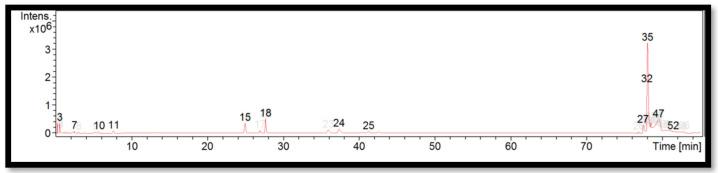
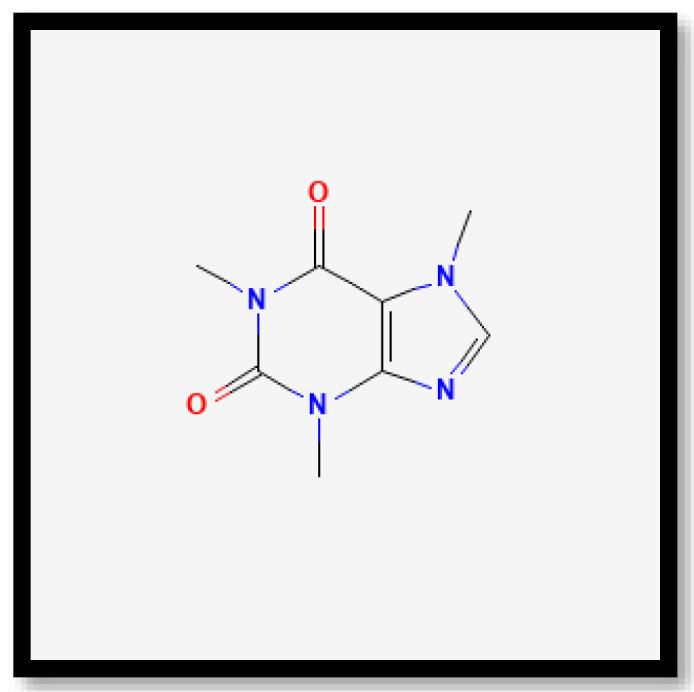
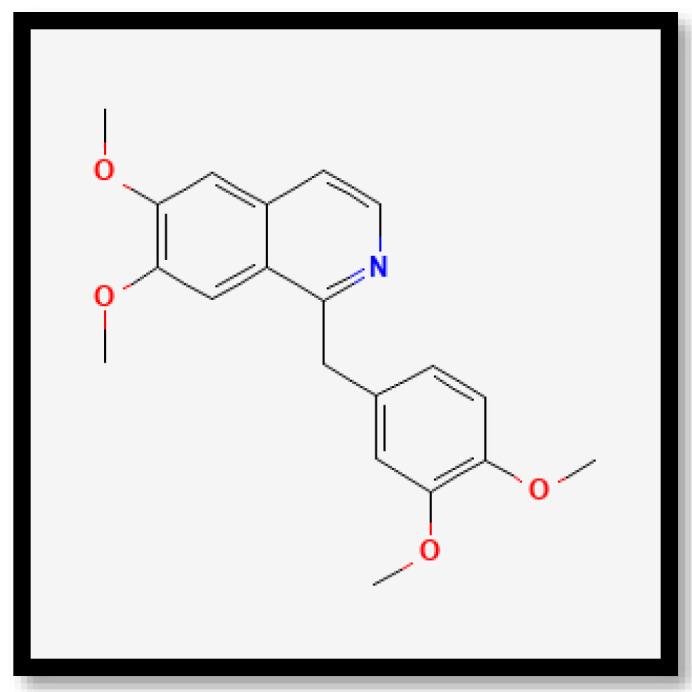
The therapeutic potential of bamboos has acquired global attention. Nonetheless, the biological activities of the plants are rarely considered due to limited available references in Sabah, Malaysia. Furthermore, the drying technique could significantly affect the retention and degradation of nutrients in bamboos. Consequently, the current study investigated five drying methods, namely, sun, shade, microwave, oven, and freeze-drying, of the leaves of six bamboo species, Bambusa multiplex, Bambusa tuldoides, Bambusa vulgaris, Dinochloa sublaevigata, Gigantochloa levis, and Schizostachyum brachycladum. The infused bamboo leaves extracts were analysed for their total phenolic content (TPC) and total flavonoid content (TFC). The antioxidant activities of the samples were determined via the 2,2-diphenyl-1-picrylhydrazyl (DPPH), 2,2′-azino-bis(3-ethylbenzothiazoline-6-sulfonic acid) (ABTS), and ferric reducing antioxidant power (FRAP) assays, whereas their toxicities were evaluated through the brine shrimp lethality assay (BSLA). The chemical constituents of the samples were determined using liquid chromatography−tandem mass spectrometry (LC-MS/MS). The freeze-drying method exhibited the highest phytochemical contents and antioxidant activity yield, excluding the B. vulgaris sample, in which the microwave-dried sample recorded the most antioxidant and phytochemical levels. The TPC and TFC results were within the 2.69 ± 0.01−12.59 ± 0.09 mg gallic acid equivalent (GAE)/g and 0.77 ± 0.01−2.12 ± 0.01 mg quercetin equivalent (QE)/g ranges, respectively. The DPPH and ABTS IC50 (half-maximal inhibitory concentration) were 2.92 ± 0.01−4.73 ± 0.02 and 1.89−0.01 to 3.47 ± 0.00 µg/mL, respectively, indicating high radical scavenging activities. The FRAP values differed significantly between the drying methods, within the 6.40 ± 0.12−36.65 ± 0.09 mg Trolox equivalent (TE)/g range. The phytochemical contents and antioxidant capacities exhibited a moderate correlation, revealing that the TPC and TFC were slightly responsible for the antioxidant activities. The toxicity assessment of the bamboo extracts in the current study demonstrated no toxicity against the BSLA based on the LC50 (lethal concentration 50) analysis at >1000 µg/mL. LC-MS analysis showed that alkaloid and pharmaceutical compounds influence antioxidant activities, as found in previous studies. The acquired information might aid in the development of bamboo leaves as functional food items, such as bamboo tea. They could also be investigated for their medicinal ingredients that can be used in the discovery of potential drugs.
竹子的治疗潜力已经引起了全球的关注。然而,由于马来西亚沙巴的可用参考文献有限,植物的生物活性很少被考虑。此外,干燥技术会显著影响竹子中营养物质的保留和降解。因此,本研究调查了五种干燥方法,即阳光、阴凉、微波、烤箱和冻干,对六种竹种的竹叶进行处理,分别为:重竹、麻竹、绿竹、少穗竹、藤枝竹和台湾矢竹。分析了竹叶浸提物的总酚含量(TPC)和总黄酮含量(TFC)。通过 2,2-二苯基-1-苦基肼(DPPH)、2,2′-连氮-双(3-乙基苯并噻唑啉-6-磺酸)(ABTS)和铁还原抗氧化能力(FRAP)测定了样品的抗氧化活性,而通过卤虫致死试验(BSLA)评估了它们的毒性。使用液相色谱-串联质谱(LC-MS/MS)测定了样品的化学成分。冻干法表现出最高的植物化学含量和抗氧化活性产率,但不包括 B. vulgaris 样品,其中微波干燥样品记录的抗氧化和植物化学水平最高。TPC 和 TFC 结果分别在 2.69±0.01-12.59±0.09 mg 没食子酸当量(GAE)/g 和 0.77±0.01-2.12±0.01 mg 槲皮素当量(QE)/g 范围内。DPPH 和 ABTS IC50(半最大抑制浓度)分别为 2.92±0.01-4.73±0.02 和 1.89-0.01-3.47±0.00 µg/mL,表明具有高自由基清除活性。FRAP 值在干燥方法之间有显著差异,在 6.40±0.12-36.65±0.09 mg Trolox 当量(TE)/g 范围内。植物化学含量和抗氧化能力呈中度相关,表明 TPC 和 TFC 对抗氧化活性略有影响。根据 LC50(50 致死浓度)分析,本研究中竹提取物的毒性评估表明,基于 BSLA 的 >1000 µg/mL 浓度下无毒性。LC-MS 分析表明,生物碱和药物化合物影响抗氧化活性,如先前研究所示。所获得的信息可能有助于开发竹叶作为功能性食品,如竹叶茶。它们也可以被研究其药用成分,用于发现潜在的药物。


 Zotero 插件