
用于脑癌细胞靶向细胞内生物催化-磁热疗法的生物工程羧甲基纤维素-肽杂化纳米酶级联反应
Bioengineered Carboxymethylcellulose-Peptide Hybrid Nanozyme Cascade for Targeted Intracellular Biocatalytic-Magnetothermal Therapy of Brain Cancer Cells.
作者信息
Mansur Alexandra A P, Carvalho Sandhra M, Oliveira Luiz Carlos A, Souza-Fagundes Elaine Maria, Lobato Zelia I P, Leite Maria F, Mansur Herman S
机构信息
Center of Nanoscience, Nanotechnology, and Innovation-CeNano2I, Department of Metallurgical and Materials Engineering, Engineering School, Federal University of Minas Gerais (UFMG), Av. Antônio Carlos, 6627, Belo Horizonte 31270-901, MG, Brazil.
Departament of Chemistry, Federal University of Minas Gerais (UFMG), Belo Horizonte 31270-901, MG, Brazil.
出版信息
Pharmaceutics. 2022 Oct 18;14(10):2223. doi: 10.3390/pharmaceutics14102223.
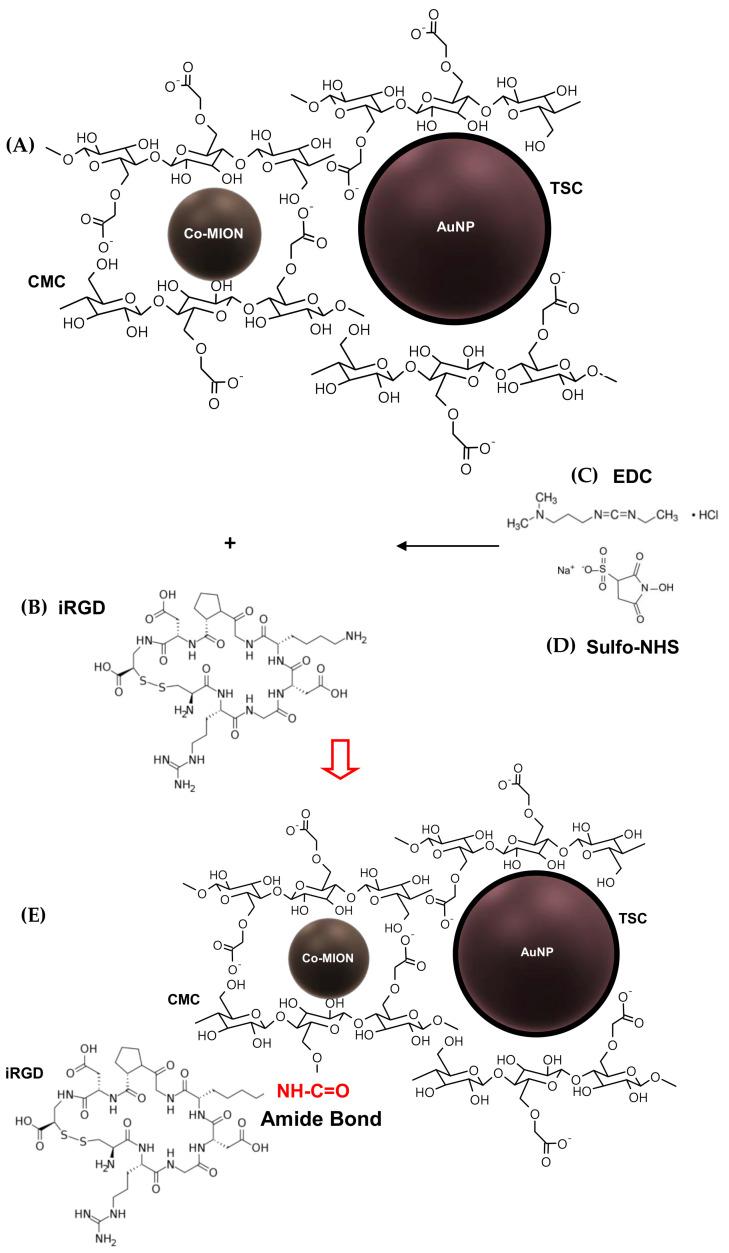
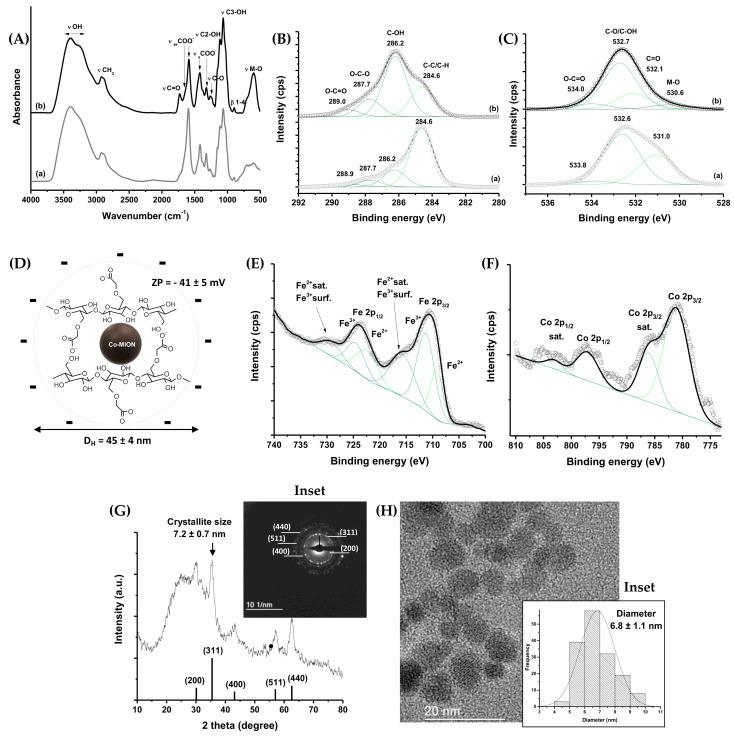
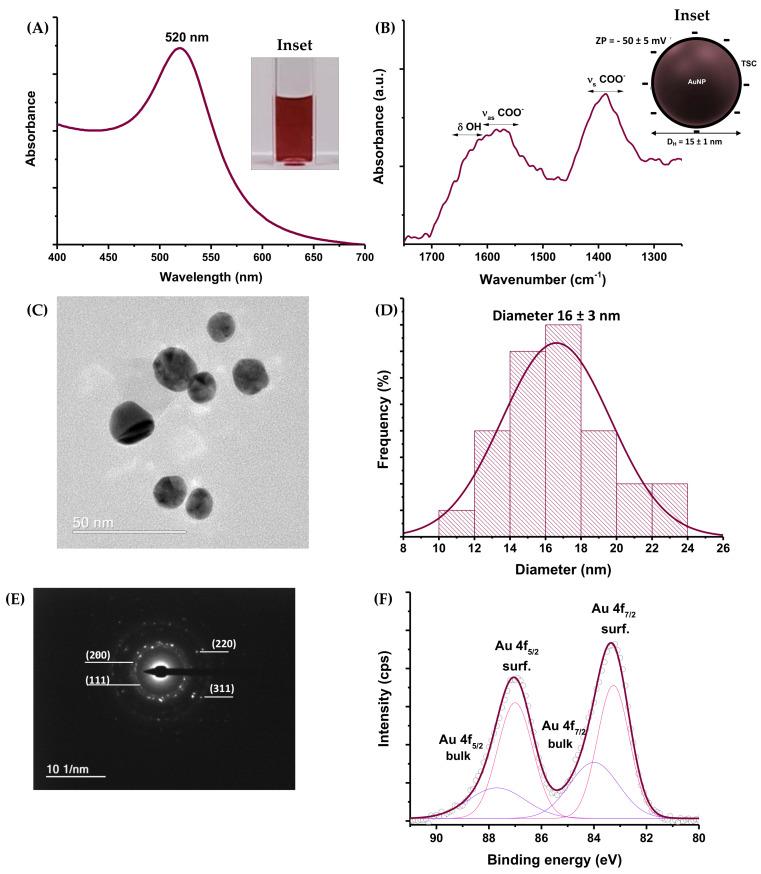
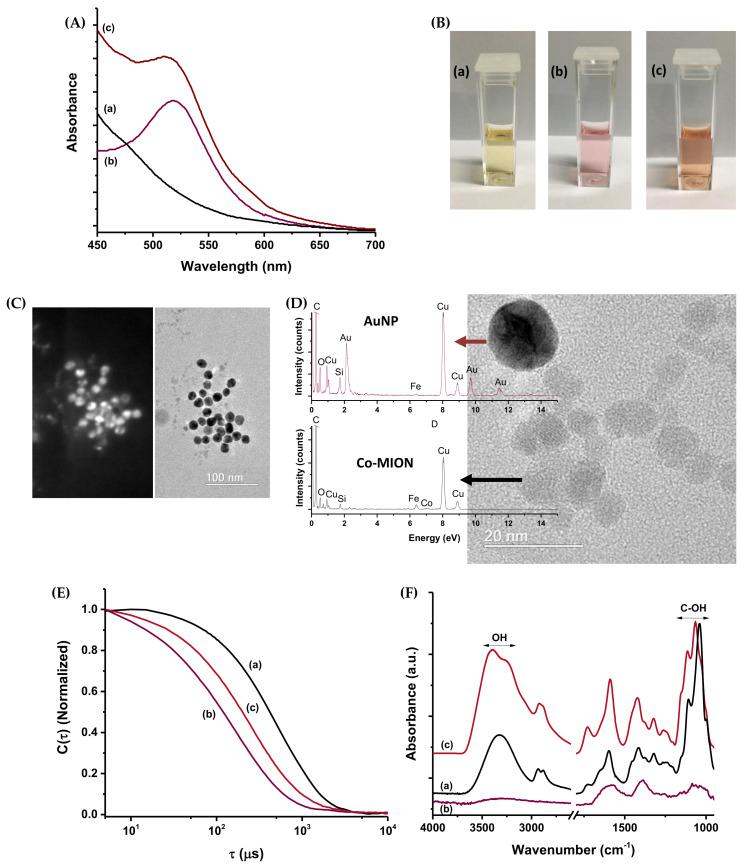
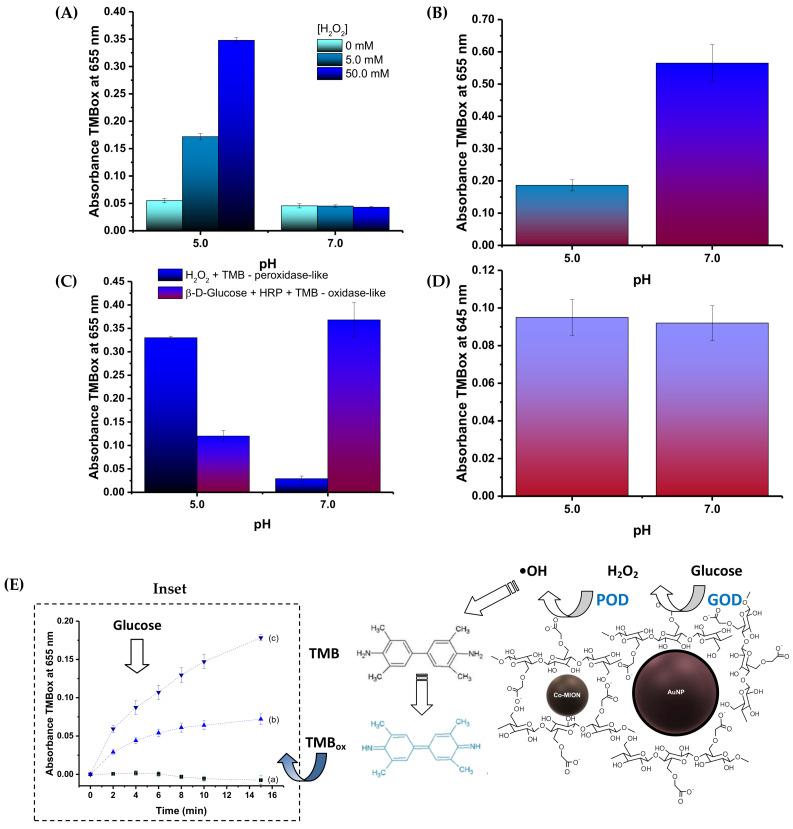
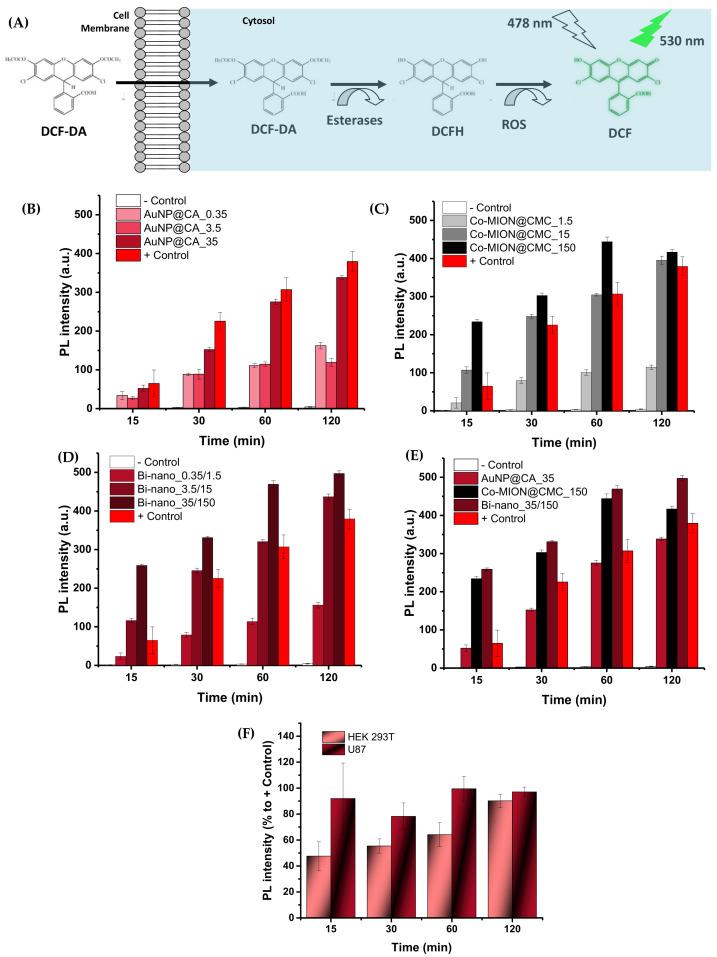
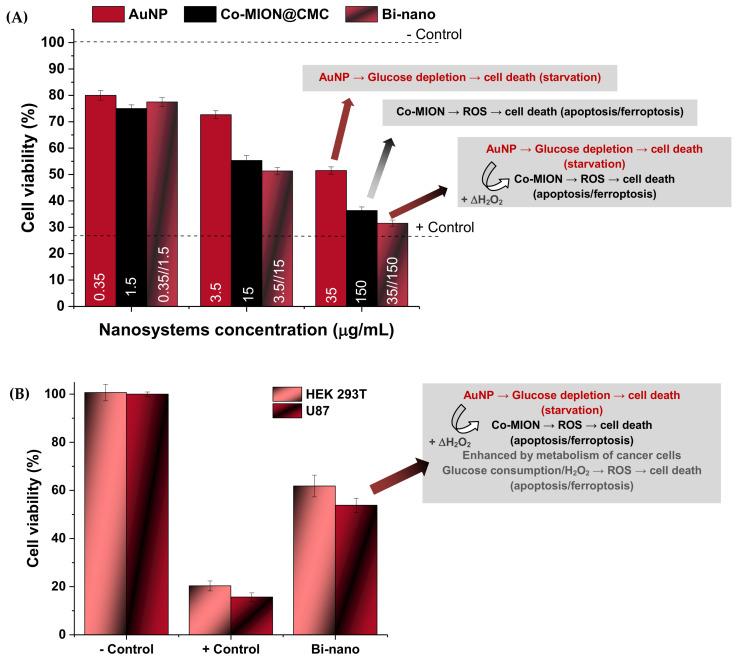
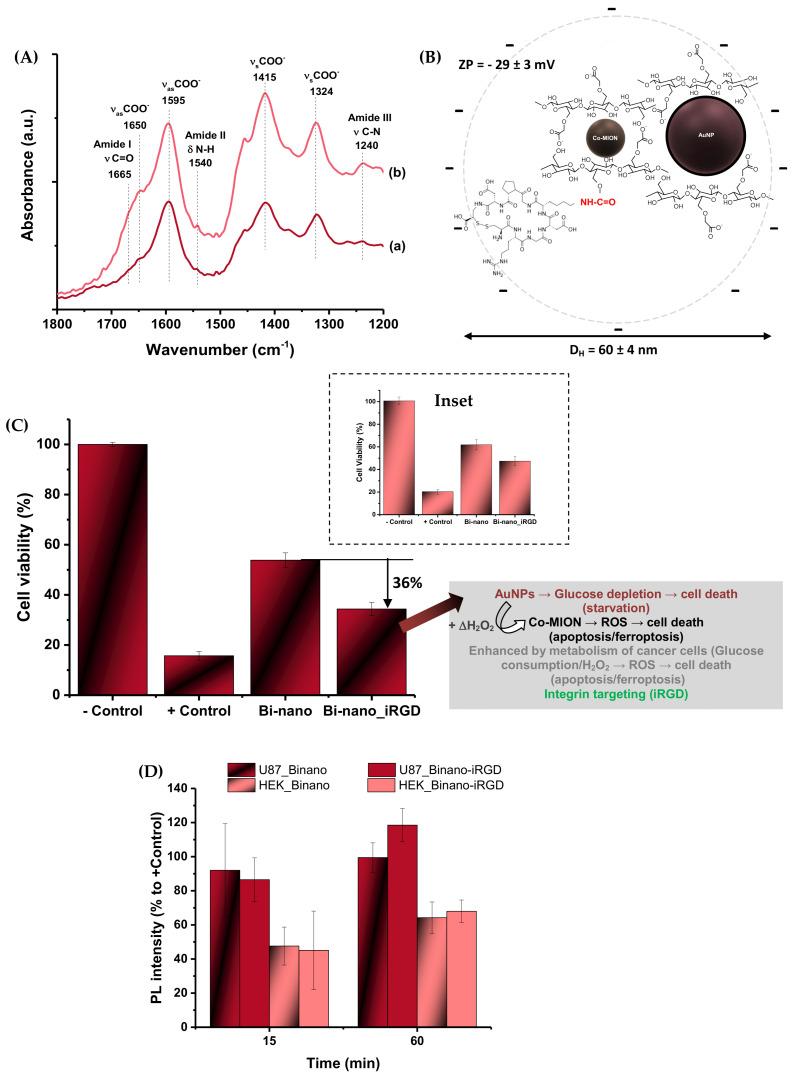
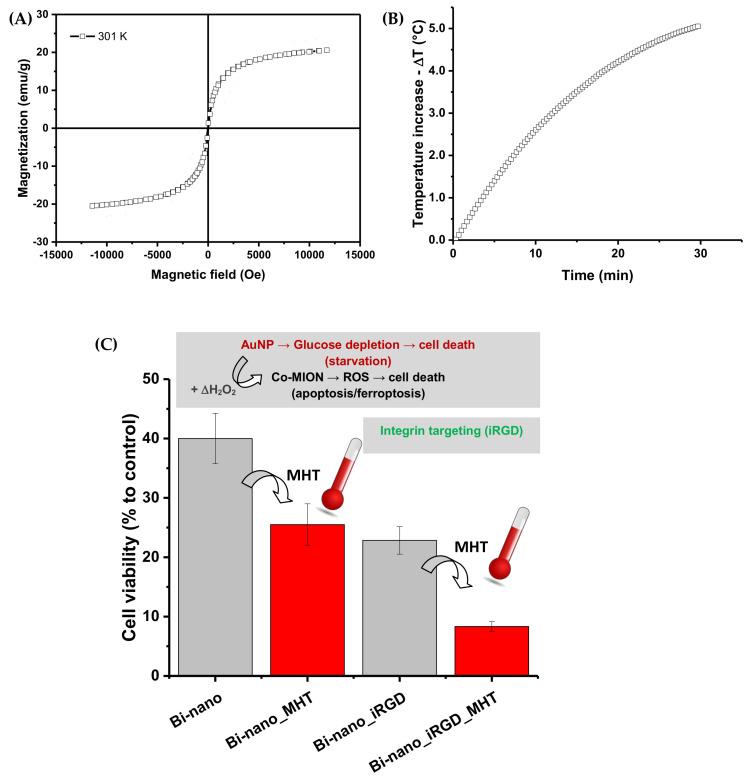
Glioblastoma remains the most lethal form of brain cancer, where hybrid nanomaterials biofunctionalized with polysaccharide peptides offer disruptive strategies relying on passive/active targeting and multimodal therapy for killing cancer cells. Thus, in this research, we report for the first time the rational design and synthesis of novel hybrid colloidal nanostructures composed of gold nanoparticles stabilized by trisodium citrate (AuNP@TSC) as the oxidase-like nanozyme, coupled with cobalt-doped superparamagnetic iron oxide nanoparticles stabilized by carboxymethylcellulose ligands (Co-MION@CMC) as the peroxidase-like nanozyme. They formed inorganic-inorganic dual-nanozyme systems functionalized by a carboxymethylcellulose biopolymer organic shell, which can trigger a biocatalytic cascade reaction in the cancer tumor microenvironment for the combination of magnetothermal-chemodynamic therapy. These nanoassemblies were produced through a aqueous process under mild conditions and chemically biofunctionalized with integrin-targeting peptide (iRDG), creating bioengineered nanocarriers. The results demonstrated that the oxidase-like nanozyme (AuNP) was produced with a crystalline face-centered cubic nanostructure, spherical morphology (diameter = 16 ± 3 nm), zeta potential (ZP) of -50 ± 5 mV, and hydrodynamic diameter (D) of 15 ± 1 nm. The peroxide-like nanostructure (POD, Co-MION@CMC) contained an inorganic crystalline core of magnetite and had a uniform spherical shape (2R = 7 ± 1 nm) which, summed to the contribution of the CMC shell, rendered a hydrodynamic diameter of 45 ± 4 nm and a negative surface charge (ZP = -41 ± 5 mV). Upon coupling both nanozymes, water-dispersible colloidal supramolecular vesicle-like organic-inorganic nanostructures were produced (AuNP//Co-MION@CMC, ZP = -45 ± 4 mV and D = 28 ± 3 nm). They confirmed dual-nanozyme cascade biocatalytic activity targeted by polymer-peptide conjugates (AuNP//Co-MION@CMC_iRGD, ZP = -29 ± 3 mV and D = 60 ± 4 nm) to kill brain cancer cells (i.e., bioenergy "" by glucose deprivation and oxidative stress through reactive oxygen species generation), which was boosted by the magneto-hyperthermotherapy effect when submitted to the alternating magnetic field (i.e., induced local thermal stress by ""). This groundwork offers a wide avenue of opportunities to develop innovative theranostic nanoplatforms with multiple integrated functionalities for fighting cancer and reducing the harsh side effects of conventional chemotherapy.
胶质母细胞瘤仍然是最致命的脑癌形式,其中用多糖肽进行生物功能化的杂化纳米材料提供了基于被动/主动靶向和多模态疗法来杀死癌细胞的突破性策略。因此,在本研究中,我们首次报道了新型杂化胶体纳米结构的合理设计与合成,该结构由柠檬酸三钠稳定的金纳米颗粒(AuNP@TSC)作为类氧化酶纳米酶,与羧甲基纤维素配体稳定的钴掺杂超顺磁性氧化铁纳米颗粒(Co-MION@CMC)作为类过氧化物酶纳米酶组成。它们形成了由羧甲基纤维素生物聚合物有机壳功能化的无机-无机双纳米酶系统,该系统可在癌症肿瘤微环境中引发生物催化级联反应,用于磁热-化学动力学疗法的联合应用。这些纳米组装体是在温和条件下通过水相过程制备的,并用整合素靶向肽(iRDG)进行化学生物功能化,从而创建了生物工程纳米载体。结果表明,类氧化酶纳米酶(AuNP)具有面心立方晶体纳米结构、球形形态(直径 = 16 ± 3 nm)、ζ电位(ZP)为 -50 ± 5 mV以及流体动力学直径(D)为15 ± 1 nm。类过氧化物纳米结构(POD,Co-MION@CMC)包含磁铁矿的无机晶体核心,呈均匀球形(2R = 7 ± 1 nm),加上CMC壳的贡献,其流体动力学直径为45 ± 4 nm,表面带负电荷(ZP = -41 ± 5 mV)。将两种纳米酶偶联后,产生了水分散性胶体超分子囊泡状有机-无机纳米结构(AuNP//Co-MION@CMC,ZP = -45 ± 4 mV,D = 28 ± 3 nm)。它们证实了聚合物-肽缀合物靶向的双纳米酶级联生物催化活性(AuNP//Co-MION@CMC_iRGD,ZP = -29 ± 3 mV,D = 60 ± 4 nm)可杀死脑癌细胞(即通过葡萄糖剥夺和通过活性氧生成引起的氧化应激产生“生物能量”),当施加交变磁场时,磁热疗效应可增强这种活性(即通过“诱导局部热应激”)。这项基础工作为开发具有多种集成功能的创新治疗诊断纳米平台提供了广阔的机会,以对抗癌症并减少传统化疗的严重副作用。


 Zotero 插件