
结直肠癌的转移复发源于残留的 EMP1 细胞。
Metastatic recurrence in colorectal cancer arises from residual EMP1 cells.
机构信息
Institute for Research in Biomedicine (IRB Barcelona), The Barcelona Institute of Science and Technology (BIST), Barcelona, Spain.
Centro de Investigación Biomédica en Red de Cáncer (CIBERONC), Barcelona, Spain.
出版信息
Nature. 2022 Nov;611(7936):603-613. doi: 10.1038/s41586-022-05402-9. Epub 2022 Nov 9.
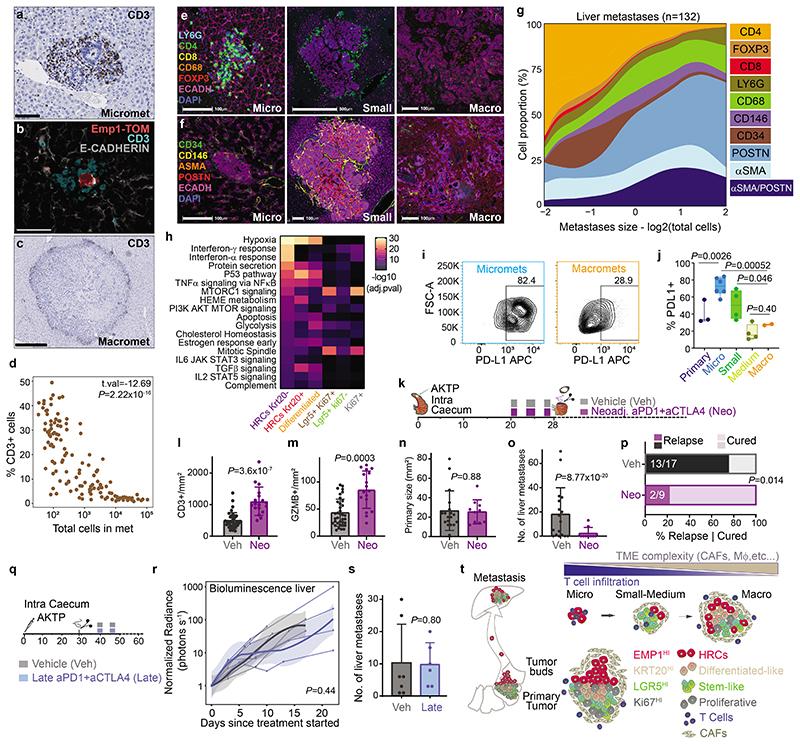
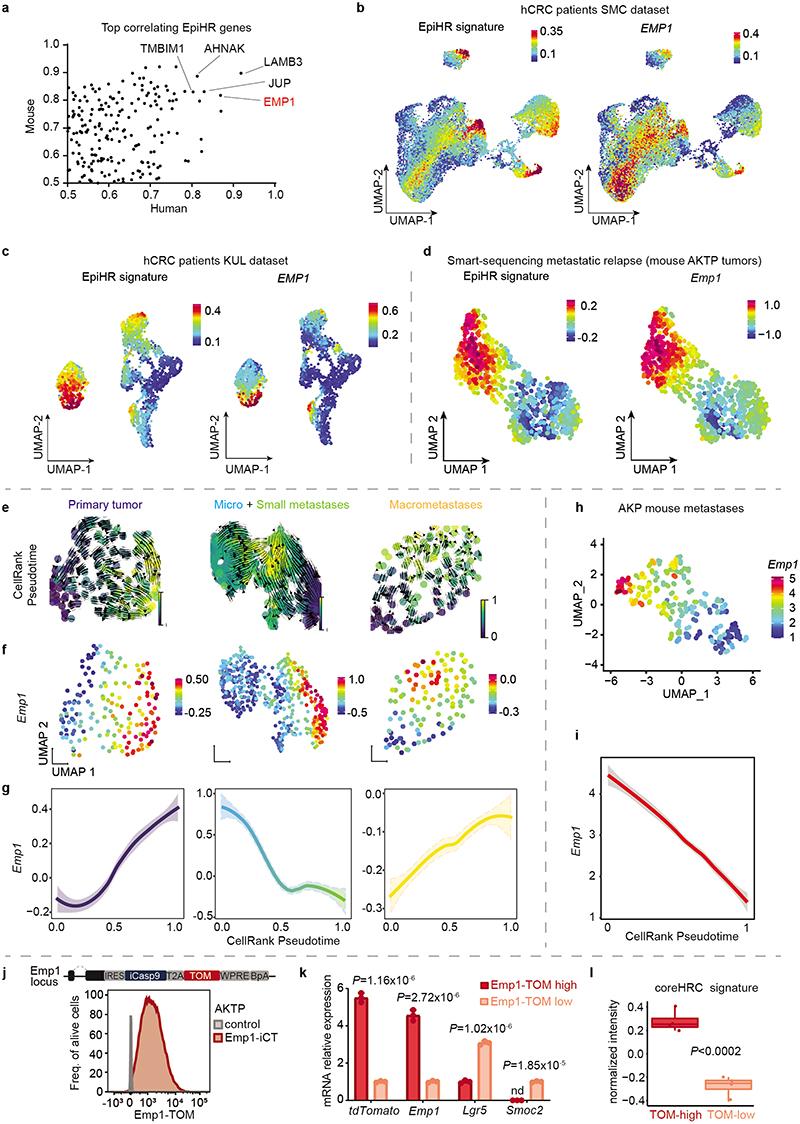
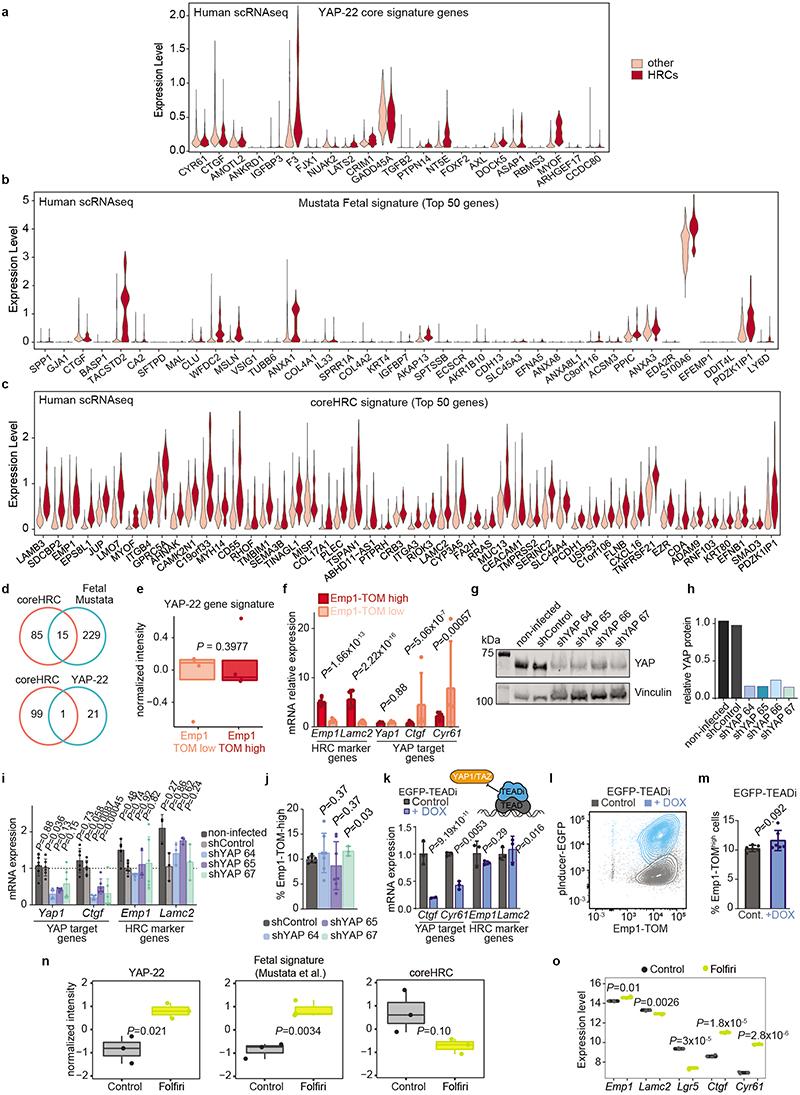
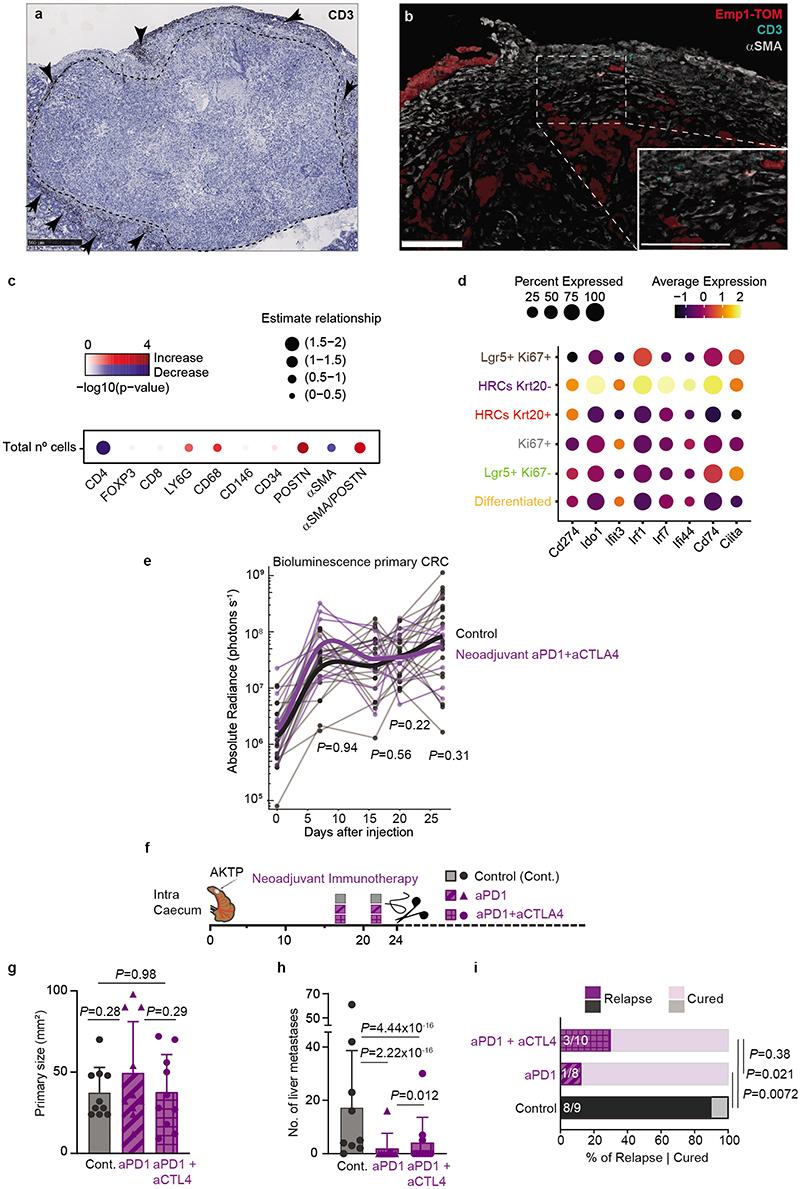
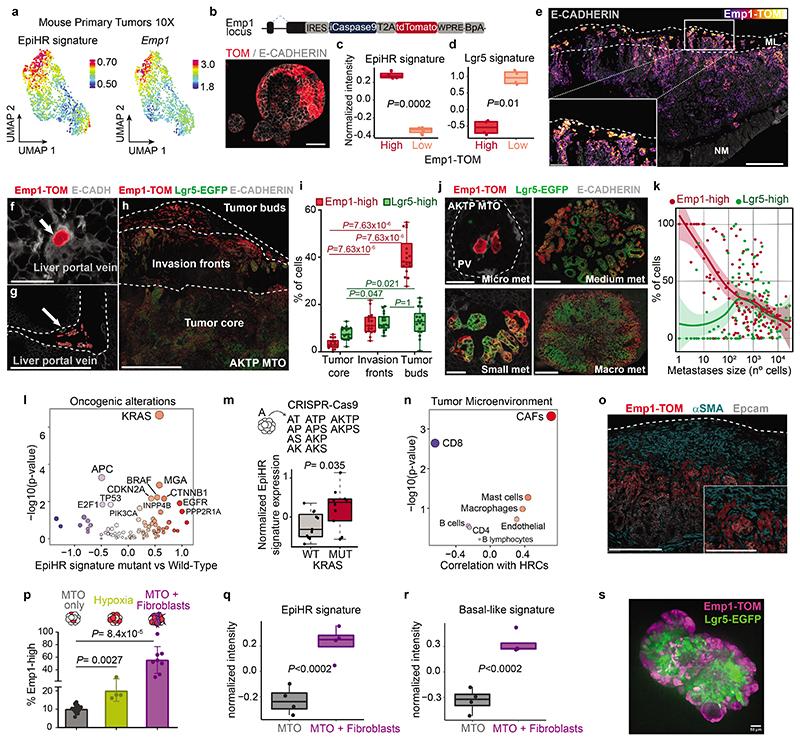
Around 30-40% of patients with colorectal cancer (CRC) undergoing curative resection of the primary tumour will develop metastases in the subsequent years. Therapies to prevent disease relapse remain an unmet medical need. Here we uncover the identity and features of the residual tumour cells responsible for CRC relapse. An analysis of single-cell transcriptomes of samples from patients with CRC revealed that the majority of genes associated with a poor prognosis are expressed by a unique tumour cell population that we named high-relapse cells (HRCs). We established a human-like mouse model of microsatellite-stable CRC that undergoes metastatic relapse after surgical resection of the primary tumour. Residual HRCs occult in mouse livers after primary CRC surgery gave rise to multiple cell types over time, including LGR5 stem-like tumour cells, and caused overt metastatic disease. Using Emp1 (encoding epithelial membrane protein 1) as a marker gene for HRCs, we tracked and selectively eliminated this cell population. Genetic ablation of EMP1 cells prevented metastatic recurrence and mice remained disease-free after surgery. We also found that HRC-rich micrometastases were infiltrated with T cells, yet became progressively immune-excluded during outgrowth. Treatment with neoadjuvant immunotherapy eliminated residual metastatic cells and prevented mice from relapsing after surgery. Together, our findings reveal the cell-state dynamics of residual disease in CRC and anticipate that therapies targeting HRCs may help to avoid metastatic relapse.
约 30-40%接受结直肠癌 (CRC) 原发肿瘤根治性切除术的患者在随后几年内会发展为转移。预防疾病复发的治疗方法仍然是未满足的医疗需求。在这里,我们揭示了导致 CRC 复发的残留肿瘤细胞的特征和身份。对 CRC 患者样本的单细胞转录组分析表明,与预后不良相关的大多数基因由我们称为高复发细胞 (HRCs) 的独特肿瘤细胞群体表达。我们建立了一种类似于人类的微卫星稳定 CRC 小鼠模型,该模型在原发肿瘤切除后会发生转移性复发。原发性 CRC 手术后残留在小鼠肝脏中的 HRC 会随着时间的推移产生多种细胞类型,包括 LGR5 干细胞样肿瘤细胞,并导致明显的转移性疾病。我们使用 EMP1(编码上皮膜蛋白 1)作为 HRCs 的标记基因,对该细胞群体进行了跟踪和选择性消除。EMP1 细胞的遗传消融可防止转移性复发,且小鼠在手术后仍保持无疾病状态。我们还发现,富含 HRC 的微转移灶浸润有 T 细胞,但在生长过程中逐渐被免疫排斥。新辅助免疫疗法可消除残留的转移性细胞,防止小鼠在手术后复发。总之,我们的研究结果揭示了 CRC 中残留疾病的细胞状态动态,并预计针对 HRC 的治疗方法可能有助于避免转移性复发。









 Zotero 插件