
从茎秆力学特性、碳素框架、自由体积和化学成分的角度研究水稻植株的抗倒伏性。
Lodging resistance of rice plants studied from the perspective of culm mechanical properties, carbon framework, free volume, and chemical composition.
机构信息
Chinese Academy of Sciences, Institute of Subtropical Agriculture, Changsha, China.
Hunan Provincial Key Laboratory of Flexible Electronic Materials Genome Engineering, School of Physics and Electronic Science, Changsha University of Science and Technology, Changsha, 410114, China.
出版信息
Sci Rep. 2022 Nov 21;12(1):20026. doi: 10.1038/s41598-022-24714-4.
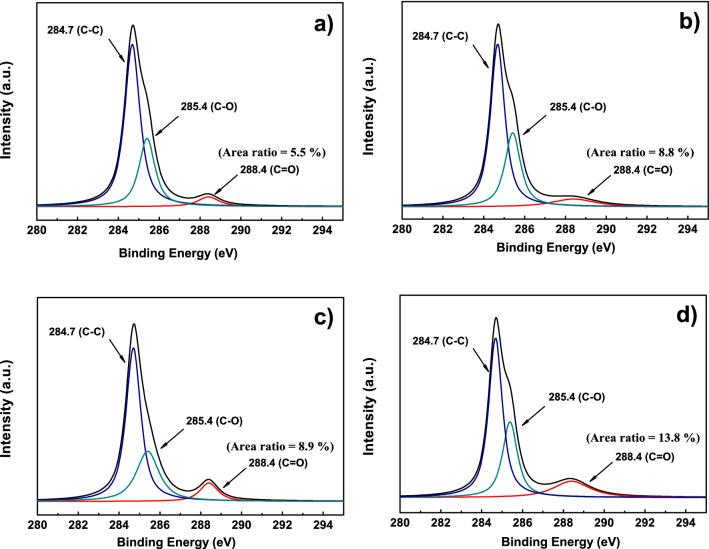
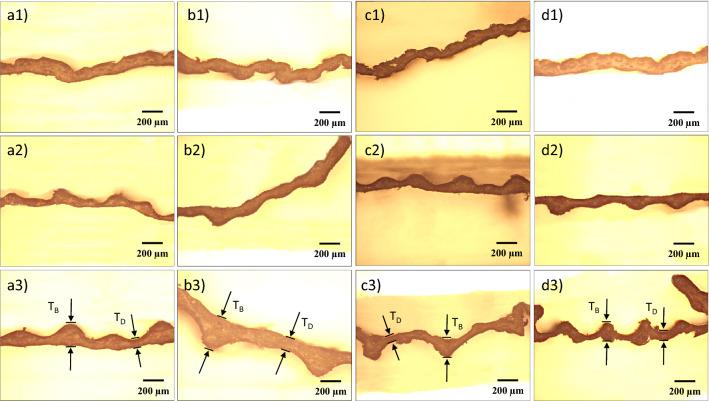
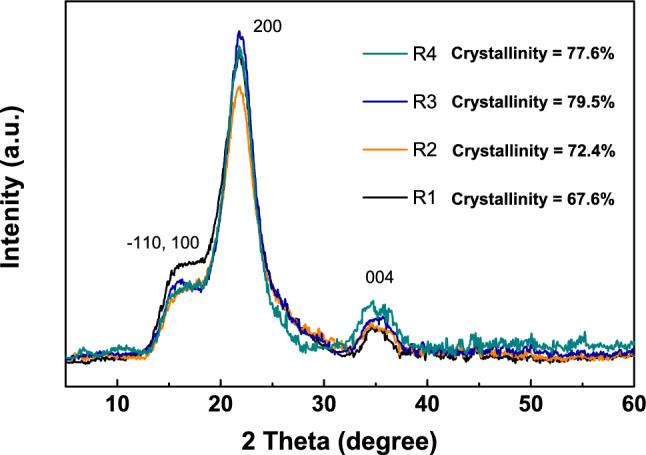
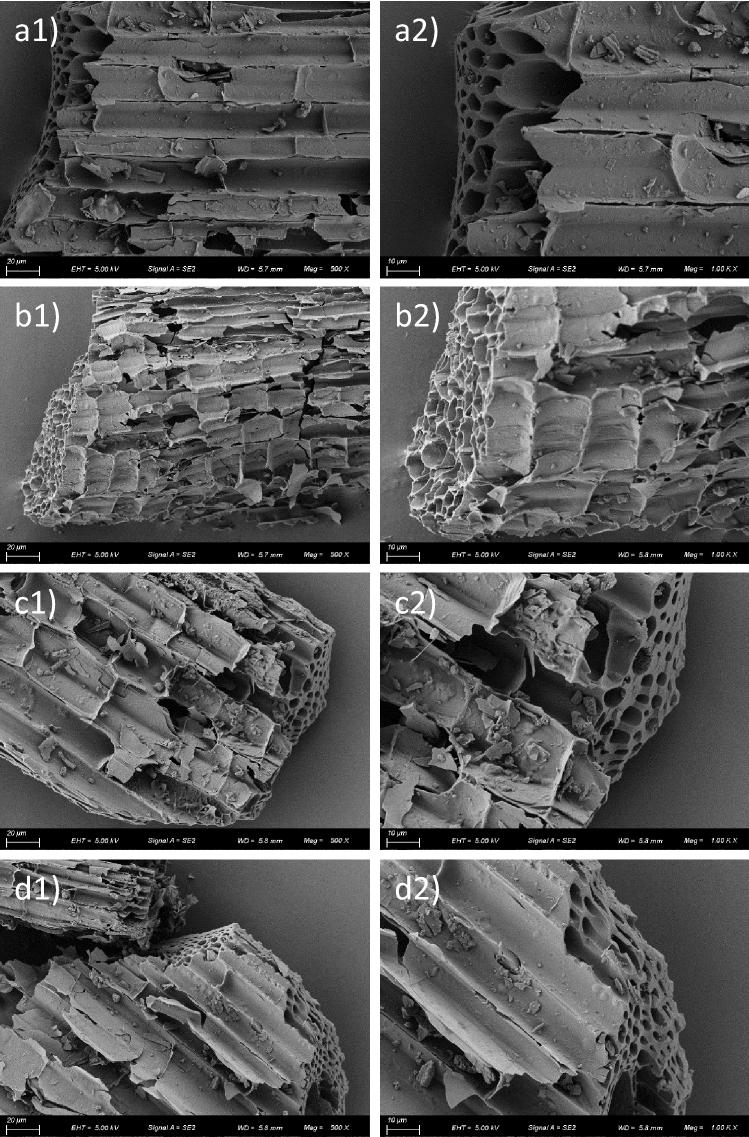
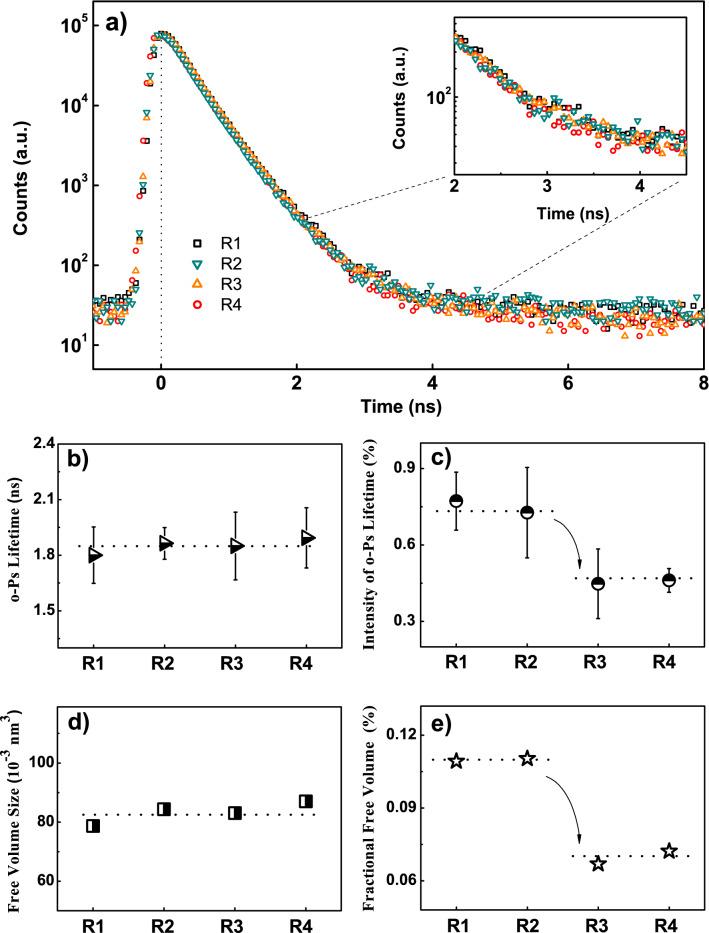
In this study, four varieties of rice were cultivated on the same farmland under same conditions and for same duration. However, their lodging resistance was found to be obviously different from each other. Herein, three key factors that highly influenced the lodging resistance were identified. First, in terms of morphological trait, in contrast to the generally believed theory that the overall thickness of the fresh culm wall governs the strength, the thickness of the depressed region of the dried basal culm wall largely determined the mechanical properties by acting as the weak link. This depressed region represents the vulnerable part with high syneresis rate. Second, the culm and its carbon framework exhibited sufficient strength and rigidity for both support and stability of the rice stem. The constraint of high lodging resistance of rice plants is attributed to the culm flexibility. Furthermore, the results of the positron annihilation lifetime spectroscopy corroborate that the most amorphous part and the highest-fraction free volume in the culm carbon framework were found for samples that exhibited high lodging resistance. This result confirmed the significant influence of the culm flexibility on lodging resistance. Third, a higher level of nitrogen element content in the basal culm can benefit its growth and development, which may contribute to an increase in lodging resistance of rice plants.
在这项研究中,四种水稻在同一农田、同一条件下、同一时期种植,但它们的抗倒伏性明显不同。在此,确定了三个高度影响抗倒伏性的关键因素。首先,在形态特征方面,与普遍认为的整体鲜茎壁厚度决定强度的理论相反,风干基部茎壁凹陷区域的厚度通过充当薄弱环节在很大程度上决定了机械性能。这个凹陷区域是高收缩率的脆弱部分。其次,茎及其碳素框架表现出足够的强度和刚性,为水稻茎提供支撑和稳定性。高抗倒伏水稻植株的约束归因于茎的柔韧性。此外,正电子湮没寿命谱的结果证实,在表现出高抗倒伏性的样本中,茎碳素框架中最无定形部分和最高分数的自由体积。这一结果证实了茎柔韧性对抗倒伏性的显著影响。第三,基部茎中较高水平的氮元素含量有利于其生长和发育,这可能有助于提高水稻植株的抗倒伏性。
 Zotero 插件