
SARS-CoV-2 诱导疾病中的细胞免疫状态。
Cellular immune states in SARS-CoV-2-induced disease.
机构信息
Department of Anatomy, School of Medicine, Kurdistan University of Medical Sciences, Sanandaj, Iran.
Department of Anatomy, School of Medicine, Infectious Diseases Research Center, Gonabad University of Medical Sciences, Gonabad, Iran.
出版信息
Front Immunol. 2022 Nov 23;13:1016304. doi: 10.3389/fimmu.2022.1016304. eCollection 2022.
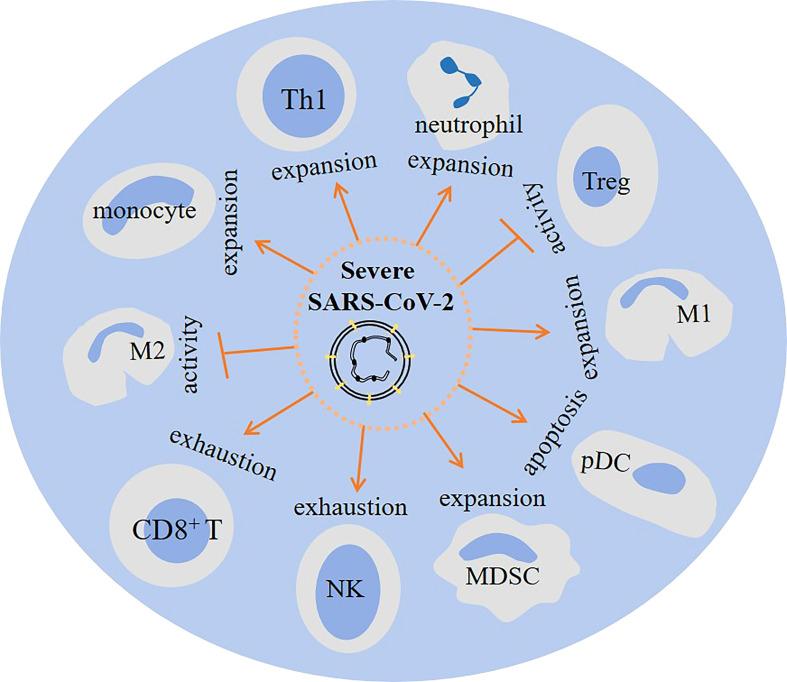
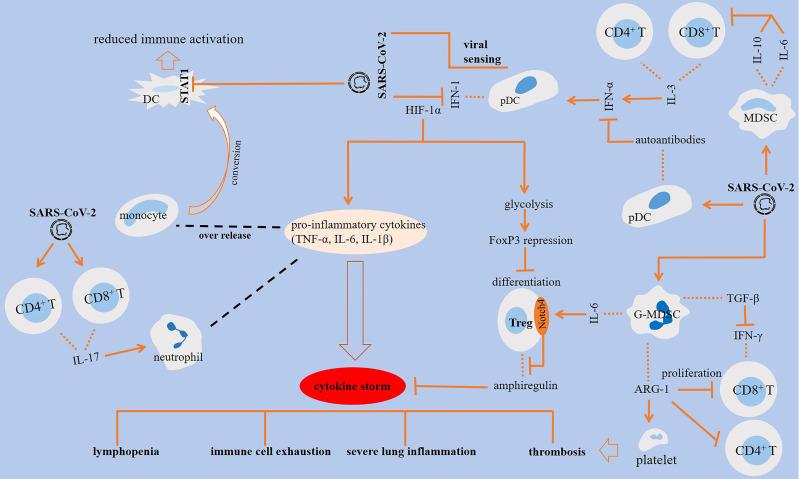
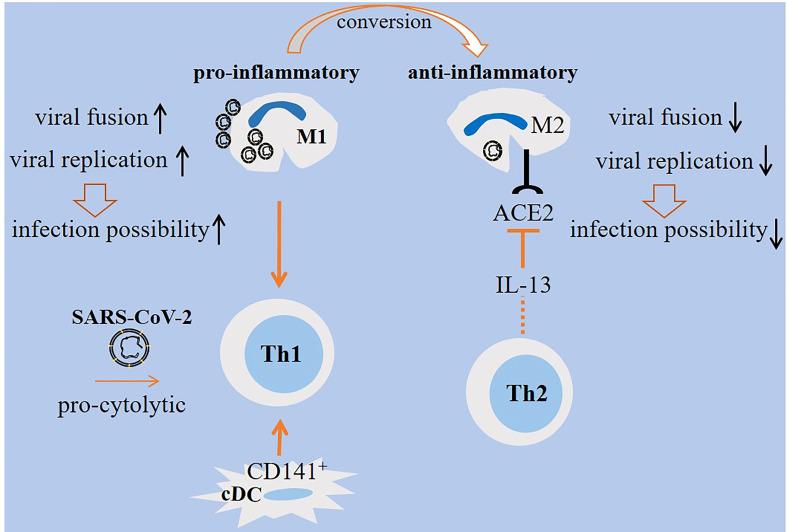
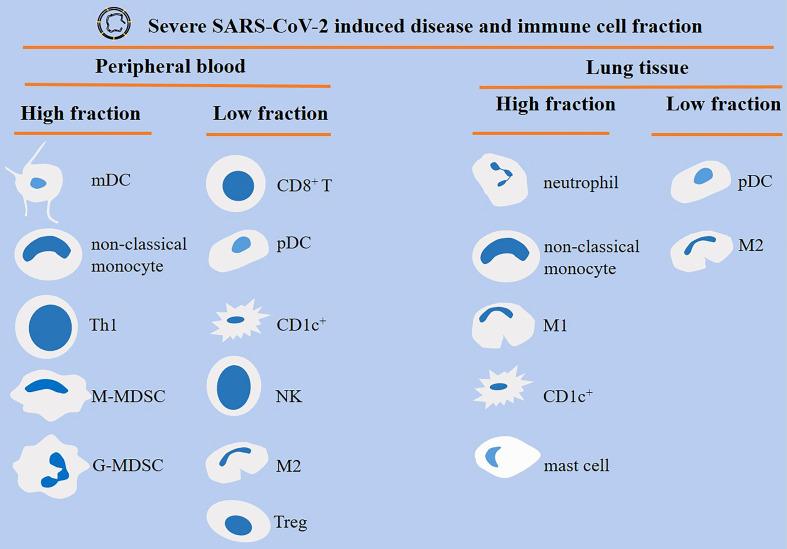
The general immune state plays important roles against severe acute respiratory syndrome coronavirus 2 (SARS-CoV-2) infection. Cells of the immune system are encountering rapid changes during the acute phase of SARS-CoV-2-induced disease. Reduced fraction of functional CD8 T cells, disrupted cross-talking between CD8 T cells with dendritic cells (DCs), and impaired immunological T-cell memory, along with the higher presence of hyperactive neutrophils, high expansion of myeloid-derived suppressor cells (MDSCs) and non-classical monocytes, and attenuated cytotoxic capacity of natural killer (NK) cells, are all indicative of low efficient immunity against viral surge within the body. Immune state and responses from pro- or anti-inflammatory cells of the immune system to SARS-CoV-2 are discussed in this review. We also suggest some strategies to enhance the power of immune system against SARS-CoV-2-induced disease.
一般免疫状态在对抗严重急性呼吸综合征冠状病毒 2 (SARS-CoV-2) 感染方面起着重要作用。在 SARS-CoV-2 诱导疾病的急性期,免疫系统的细胞正在经历快速变化。功能性 CD8 T 细胞的比例降低,CD8 T 细胞与树突状细胞 (DCs) 之间的交流中断,免疫 T 细胞记忆受损,同时高活性的中性粒细胞、髓系来源的抑制细胞 (MDSCs) 和非经典单核细胞大量扩增,以及自然杀伤 (NK) 细胞的细胞毒性能力减弱,所有这些都表明机体对病毒激增的免疫效率低下。本文讨论了免疫系统中促炎或抗炎细胞对 SARS-CoV-2 的免疫状态和反应。我们还提出了一些增强免疫系统对抗 SARS-CoV-2 诱导疾病能力的策略。

 Zotero 插件