
基于电催化卟啉/酞菁的有机框架:构建基块、配位微环境、结构-性能关系。
Electrocatalytic Porphyrin/Phthalocyanine-Based Organic Frameworks: Building Blocks, Coordination Microenvironments, Structure-Performance Relationships.
机构信息
College of Polymer Science and Engineering, State Key Laboratory of Polymer Materials Engineering, Sichuan University, Chengdu, 610065, P. R. China.
Med-X Center for Materials, Sichuan University, Chengdu, 610041, P. R. China.
出版信息
Adv Sci (Weinh). 2023 Mar;10(7):e2206239. doi: 10.1002/advs.202206239. Epub 2023 Jan 4.
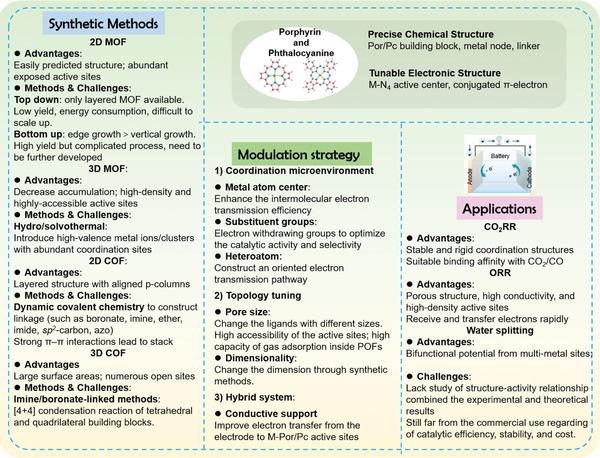
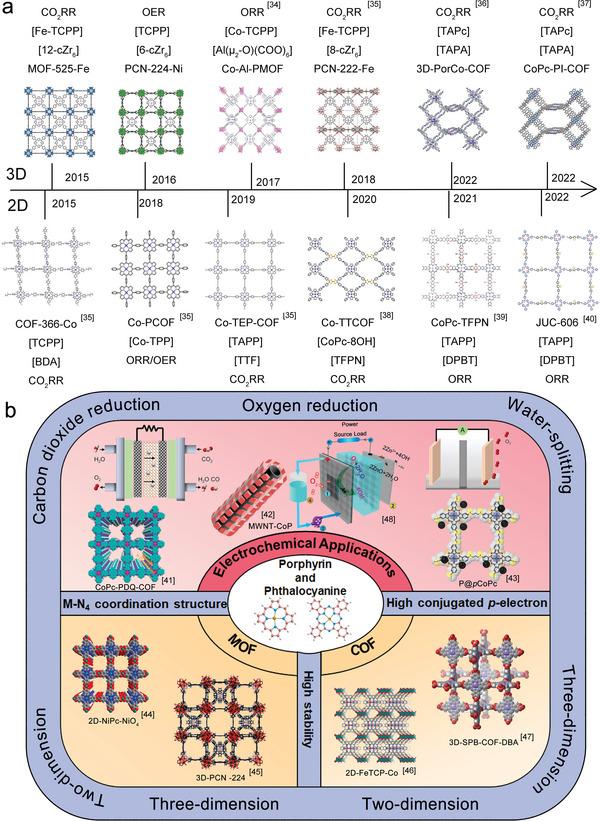
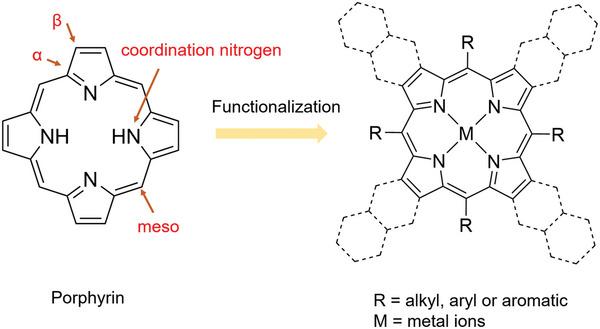
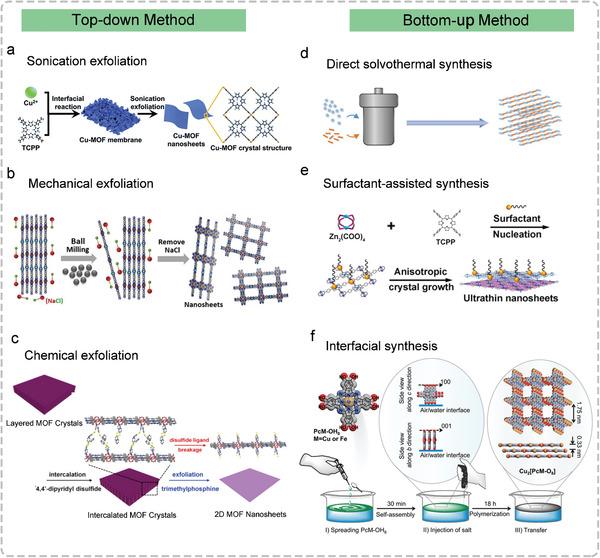
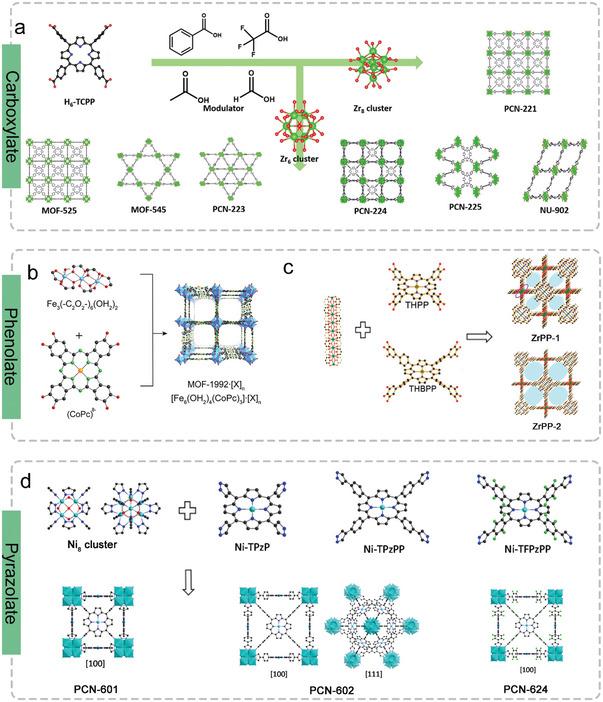
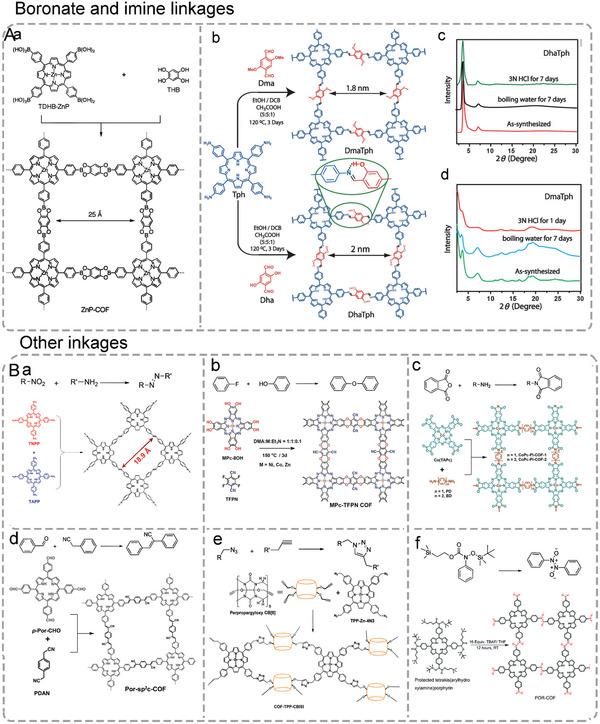
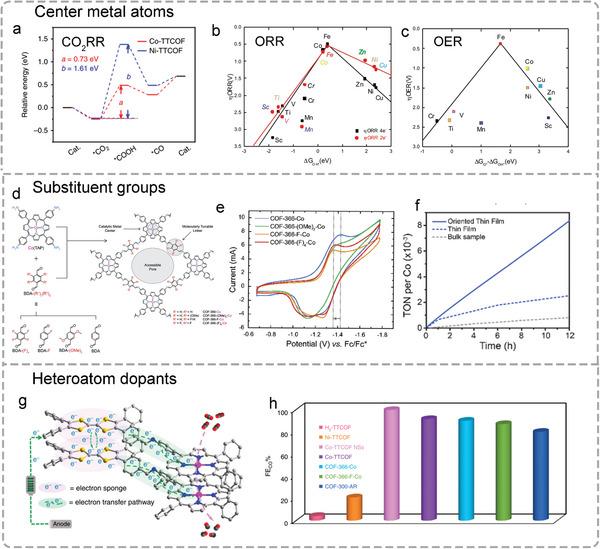
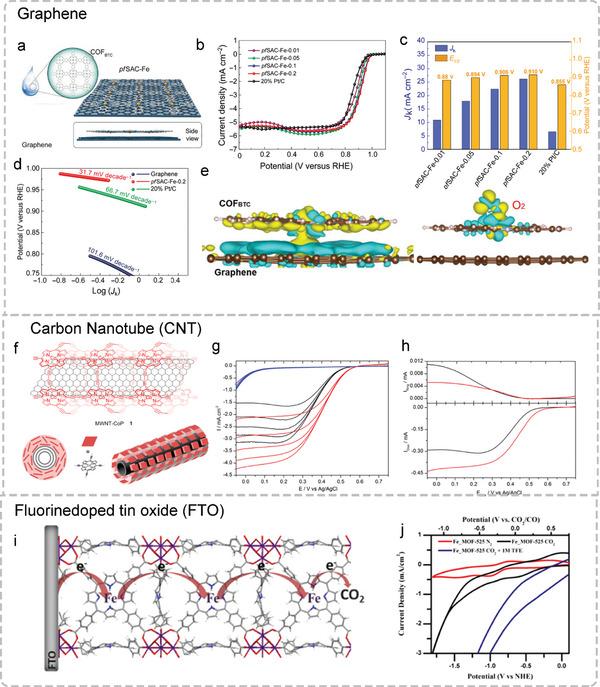
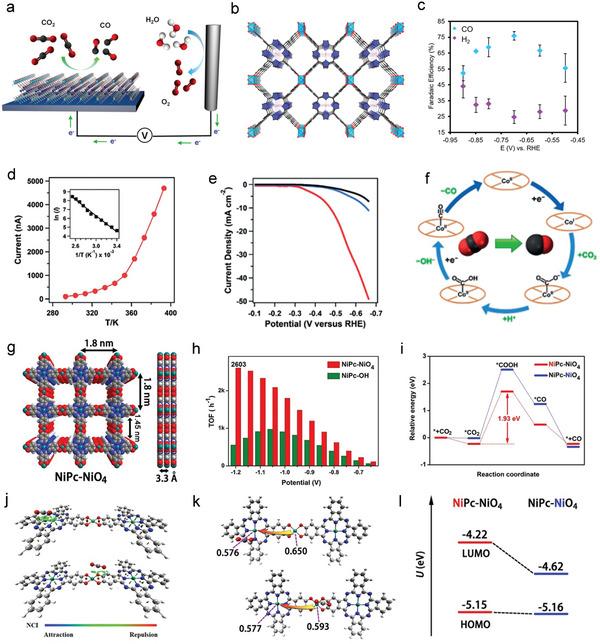
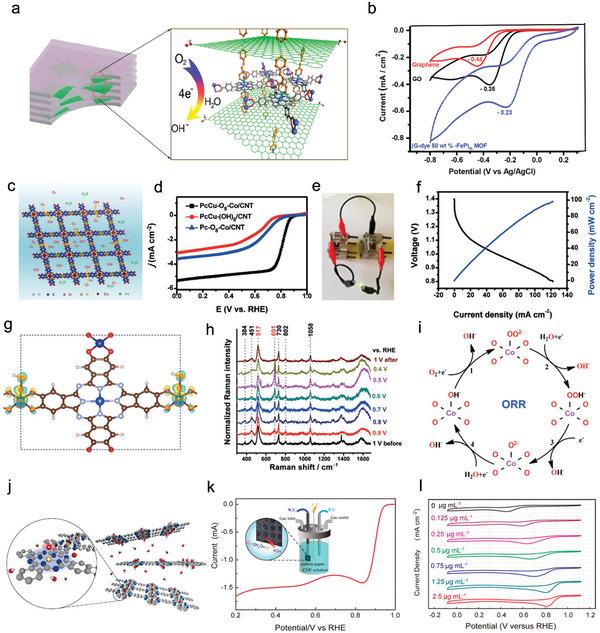
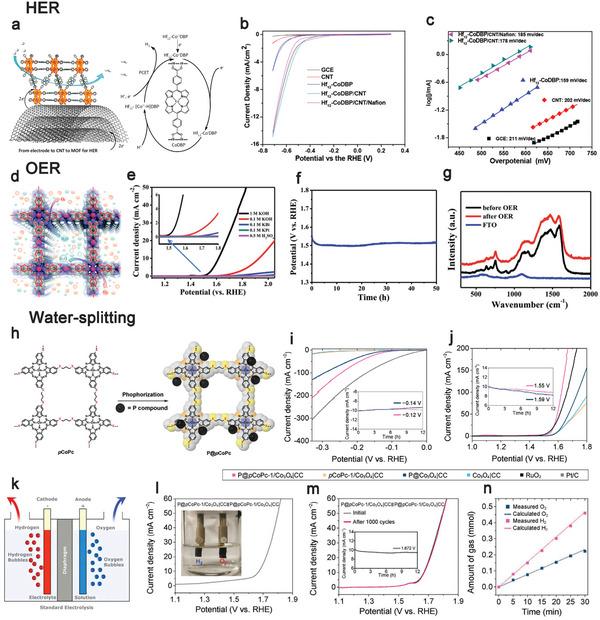
Metal-porphyrins or metal-phthalocyanines-based organic frameworks (POFs), an emerging family of metal-N-C materials, have attracted widespread interest for application in electrocatalysis due to their unique metal-N coordination structure, high conjugated π-electron system, tunable components, and chemical stability. The key challenges of POFs as high-performance electrocatalysts are the need for rational design for porphyrins/phthalocyanines building blocks and an in-depth understanding of structure-activity relationships. Herein, the synthesis methods, the catalytic activity modulation principles, and the electrocatalytic behaviors of 2D/3D POFs are summarized. Notably, detailed pathways are given for modulating the intrinsic activity of the M-N site by the microenvironments, including central metal ions, substituent groups, and heteroatom dopants. Meanwhile, the topology tuning and hybrid system, which affect the conjugation network or conductivity of POFs, are also considered. Furthermore, the representative electrocatalytic applications of structured POFs in efficient and environmental-friendly energy conversion areas, such as carbon dioxide reduction reaction, oxygen reduction reaction, and water splitting are briefly discussed. Overall, this comprehensive review focusing on the frontier will provide multidisciplinary and multi-perspective guidance for the subsequent experimental and theoretical progress of POFs and reveal their key challenges and application prospects in future electrocatalytic energy conversion systems.
基于金属卟啉或金属酞菁的有机框架(POF)是一类新兴的金属-N-C 材料,由于其独特的金属-N 配位结构、高共轭π电子体系、可调组分和化学稳定性,在电催化领域引起了广泛关注。作为高性能电催化剂的 POF 的关键挑战是需要对卟啉/酞菁构建块进行合理设计,并深入了解结构-活性关系。本文总结了二维/三维 POF 的合成方法、催化活性调节原理和电催化行为。值得注意的是,通过微环境(包括中心金属离子、取代基和杂原子掺杂剂)详细给出了调节 M-N 位的本征活性的途径。同时,还考虑了拓扑调谐和混合体系,它们会影响 POF 的共轭网络或导电性。此外,还简要讨论了结构化 POF 在高效环保能源转换领域(如二氧化碳还原反应、氧还原反应和水分解)的代表性电催化应用。总的来说,本综述聚焦于前沿领域,为 POF 的后续实验和理论进展提供了多学科和多角度的指导,并揭示了它们在未来电催化能源转换系统中的关键挑战和应用前景。




 Zotero 插件