
微生物群与血液系统疾病
Microbiota and Hematological Diseases.
作者信息
D'Angelo Guido
机构信息
Laboratory of Clinical-Chemistry, Hematology and Microbiology, (ASST-Valle Olona) Gallarate Hospital, Gallarate, Varese, Italy.
出版信息
Int J Hematol Oncol Stem Cell Res. 2022 Jul 1;16(3):164-173. doi: 10.18502/ijhoscr.v16i3.10139.
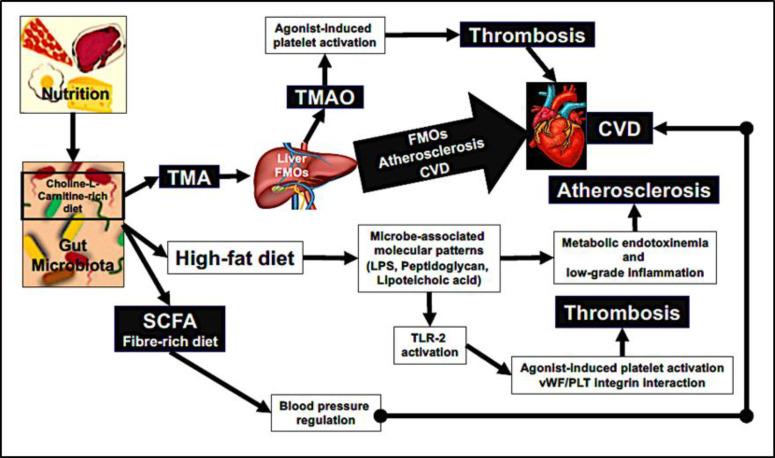
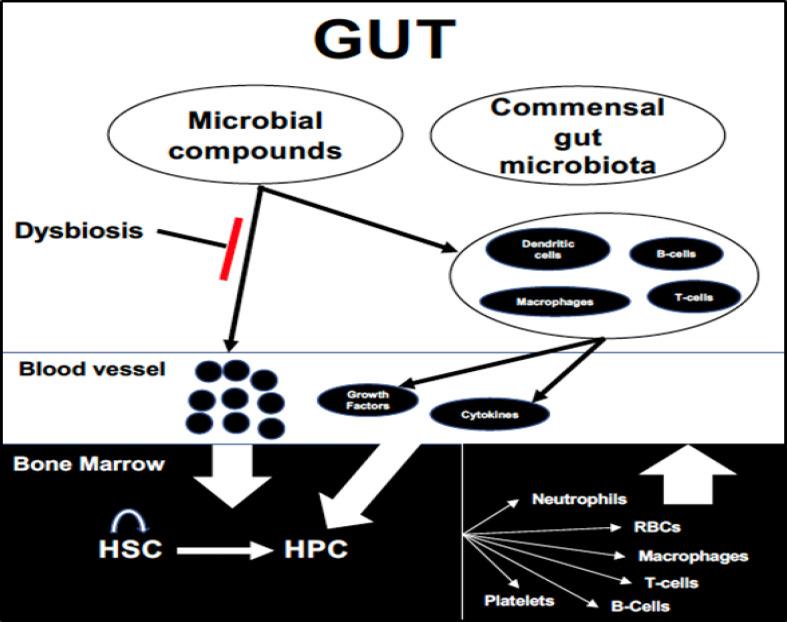
The microbiota is directly involved in the host metabolic process, as well as in immune response modulation and recruitment of different cells typology in the inflammatory site. Human microbiota modification (dysbiosis) is a condition which could be correlated with various pathologies. The short-chain fatty acids produced by the metabolic process have an important role as immune mediators. In hematology field, dysbiosis can represent a predisposing condition for triggering and/or conditioning both non-neoplastic (iron deficiency anemia, thrombosis, thrombocytosis or thrombocytopenia) and neoplastic disorders (lymphomas, leukemias, myeloma). Dysbiosis may also interfere on therapy efficacy (iron supplementation, chemotherapy, immunotherapy, and hematopoietic stem cell transplantation), impacting on patient's outcome.
微生物群直接参与宿主代谢过程,以及免疫反应调节和炎症部位不同细胞类型的募集。人类微生物群改变(生态失调)是一种可能与多种病理状况相关的情况。代谢过程产生的短链脂肪酸作为免疫介质发挥着重要作用。在血液学领域,生态失调可能是引发和/或促成非肿瘤性疾病(缺铁性贫血、血栓形成、血小板增多症或血小板减少症)和肿瘤性疾病(淋巴瘤、白血病、骨髓瘤)的一个易感条件。生态失调还可能干扰治疗效果(铁补充、化疗、免疫治疗和造血干细胞移植),影响患者的预后。

 Zotero 插件