
采用高效液相色谱/质谱联用技术对丁香 Syzygium aromaticum L. 进行鉴定,并评估其对腹膜粘连的影响:研究炎症细胞因子、氧化因子以及纤维化和血管生成生物标志物的作用。
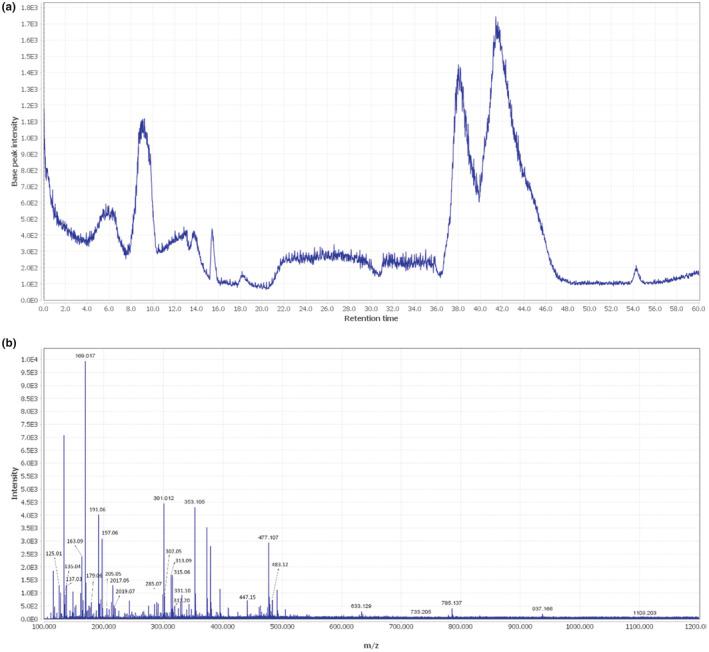
HPLC/MS characterization of Syzygium aromaticum L. and evaluation of its effects on peritoneal adhesion: Investigating the role of inflammatory cytokines, oxidative factors, and fibrosis and angiogenesis biomarkers.
机构信息
Pharmacological Research Center of Medicinal Plants, Mashhad University of Medical Sciences, Mashhad, Iran.
Department of Cardiovascular Diseases, Faculty of Medicine, Mashhad University of Medical Sciences, Mashhad, Iran.
出版信息
Physiol Rep. 2023 Jan;11(2):e15584. doi: 10.14814/phy2.15584.
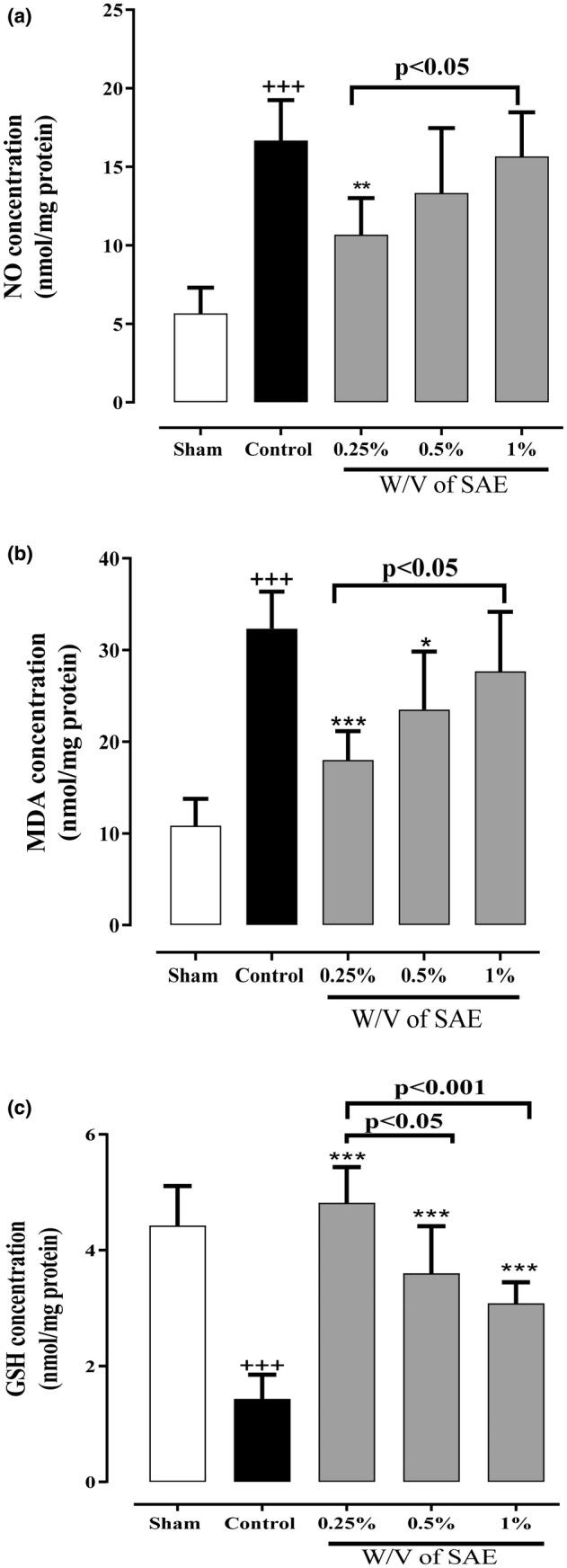
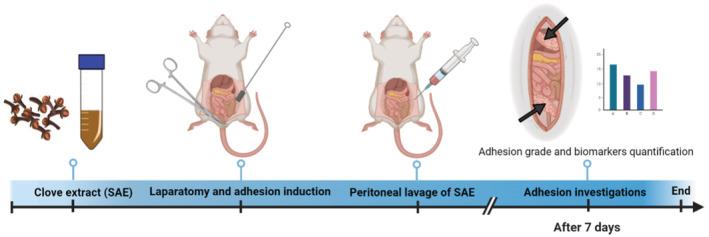
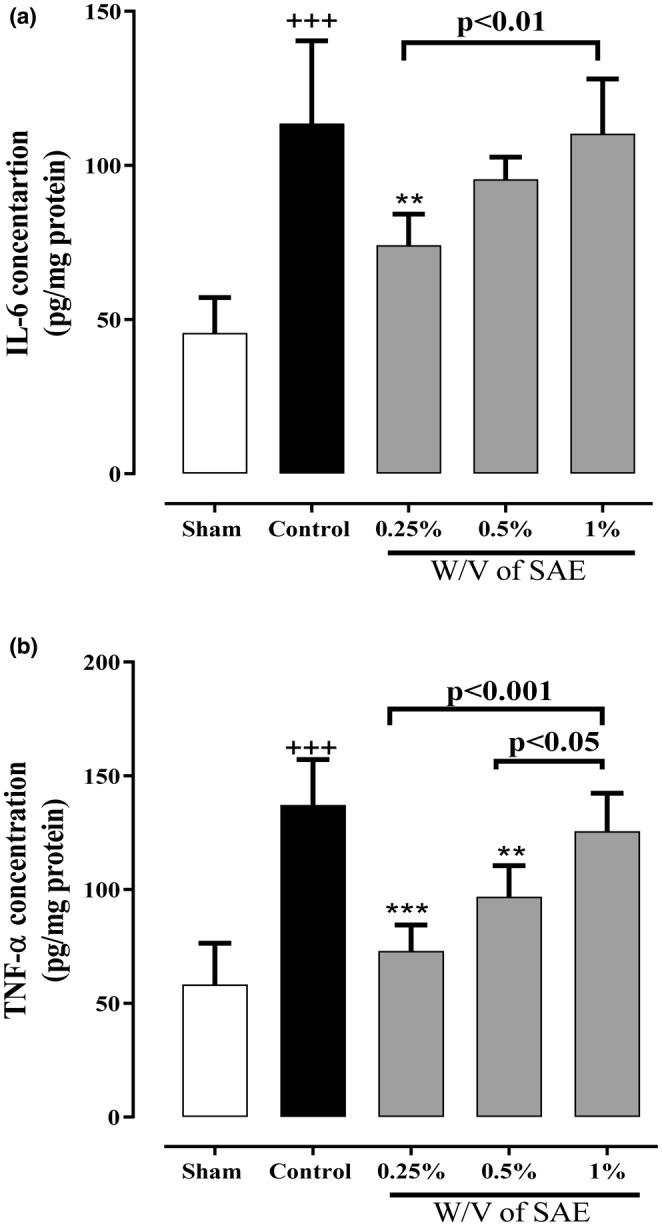
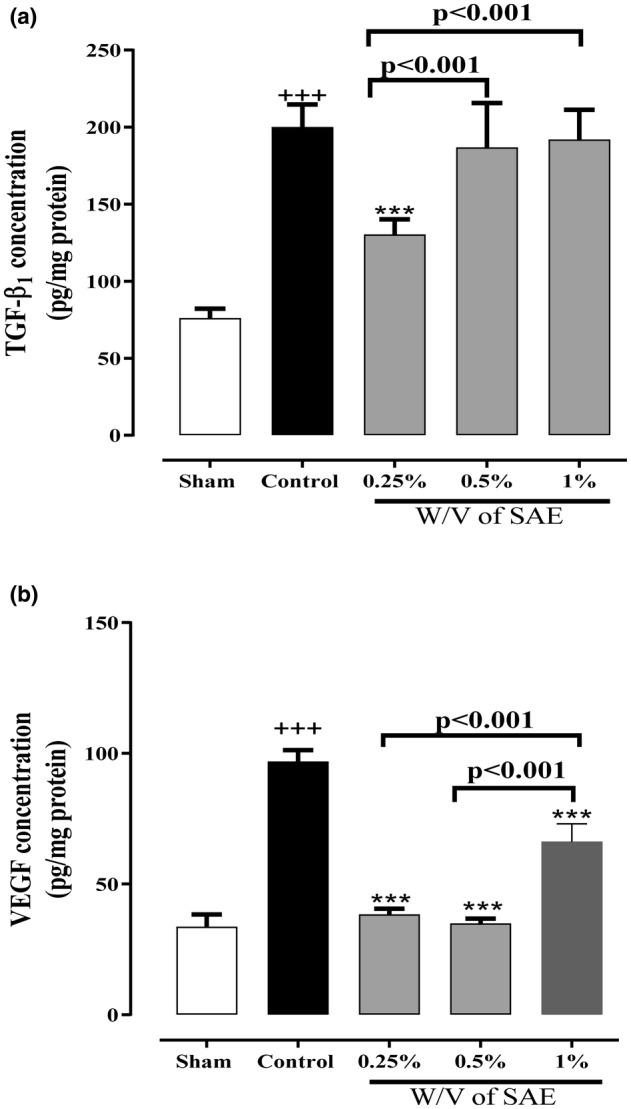
The dried flower bud of Syzygium aromaticum L. (S. aromaticum) (Myrtaceae), cloves, have been used for their analgesic and anti-inflammatory activities. Peritoneal adhesion (PA) is the most common complication of abdominal and pelvic surgeries, which causes significant adverse effects and severe economic burden. The present study aimed to evaluate the preventive effect of S. extract (SAE) on PA formation in a rat model. Male Wistar 8-week-old rats were randomly divided into sham, control (received vehicle), and treatment (0.25%, 0.5%, and 1% w/v of SAE) groups. The adhesion and related factors were examined using the Nair scoring system and immunological and biochemical kits for the levels of inflammatory cytokines [interleukin (IL)-6 and tumor necrosis factor (TNF)-α], growth factors [transforming growth factor (TGF)-β1 and vascular endothelial growth factor (VEGF)], oxidative [nitric oxide (NO) and malondialdehyde (MDA)], and anti-oxidative [glutathione (GSH)] factors. Our results figured out that the adhesion score and IL-6, TNF-α, TGF-β1, VEGF, NO, and MDA levels were significantly increased, but the GSH level was decreased in the control group compared to the sham group (p < 0.001-0.05). On the other hand, the 0.25% SAE group had a lower adhesion score, and IL-6, TNF-α, TGF-β1, VEGF, NO, and MDA levels were significantly decreased compared with the vehicle group, and the level of GSH was increased (p < 0.001-0.05). SAE could efficiently reduce adhesion score and regulate inflammatory cytokines, oxidative and anti-oxidative factors, and biomarkers of fibrosis and angiogenesis. Therefore, clove extract can be considered a potential candidate for PA management.
丁香(Syzygium aromaticum L.)(桃金娘科)的干花蕾已被用于其镇痛和抗炎活性。腹膜粘连(PA)是腹部和骨盆手术后最常见的并发症,会导致严重的不良反应和经济负担。本研究旨在评估丁香提取物(SAE)在大鼠模型中预防 PA 形成的效果。雄性 Wistar 8 周龄大鼠随机分为假手术组、对照组(给予载体)和治疗组(0.25%、0.5%和 1%w/v 的 SAE)。使用 Nair 评分系统和免疫及生化试剂盒检测粘连和相关因素,检测炎症细胞因子[白细胞介素(IL)-6 和肿瘤坏死因子(TNF)-α]、生长因子[转化生长因子(TGF)-β1 和血管内皮生长因子(VEGF)]、氧化[一氧化氮(NO)和丙二醛(MDA)]和抗氧化[谷胱甘肽(GSH)]因子的水平。我们的结果表明,与假手术组相比,对照组的粘连评分以及 IL-6、TNF-α、TGF-β1、VEGF、NO 和 MDA 水平显著升高,而 GSH 水平降低(p<0.001-0.05)。另一方面,与载体组相比,0.25%SAE 组的粘连评分较低,IL-6、TNF-α、TGF-β1、VEGF、NO 和 MDA 水平显著降低,而 GSH 水平升高(p<0.001-0.05)。SAE 可有效降低粘连评分,调节炎症细胞因子、氧化和抗氧化因子以及纤维化和血管生成的生物标志物。因此,丁香提取物可以被认为是治疗 PA 的潜在候选药物。

 Zotero 插件