
基于患者来源的细胞系靶向透明细胞肉瘤的表观遗传学特征。
Targeting epigenetic features in clear cell sarcomas based on patient-derived cell lines.
机构信息
Division of Biomedical Research, Core Facility Alternative Biomodels and Preclinical Imaging, Medical University of Graz, Roseggerweg 48, 8036, Graz, Austria.
Division of Oncology, Department of Internal Medicine, Medical University of Graz, Graz, Austria.
出版信息
J Transl Med. 2023 Jan 29;21(1):54. doi: 10.1186/s12967-022-03843-4.
BACKGROUND
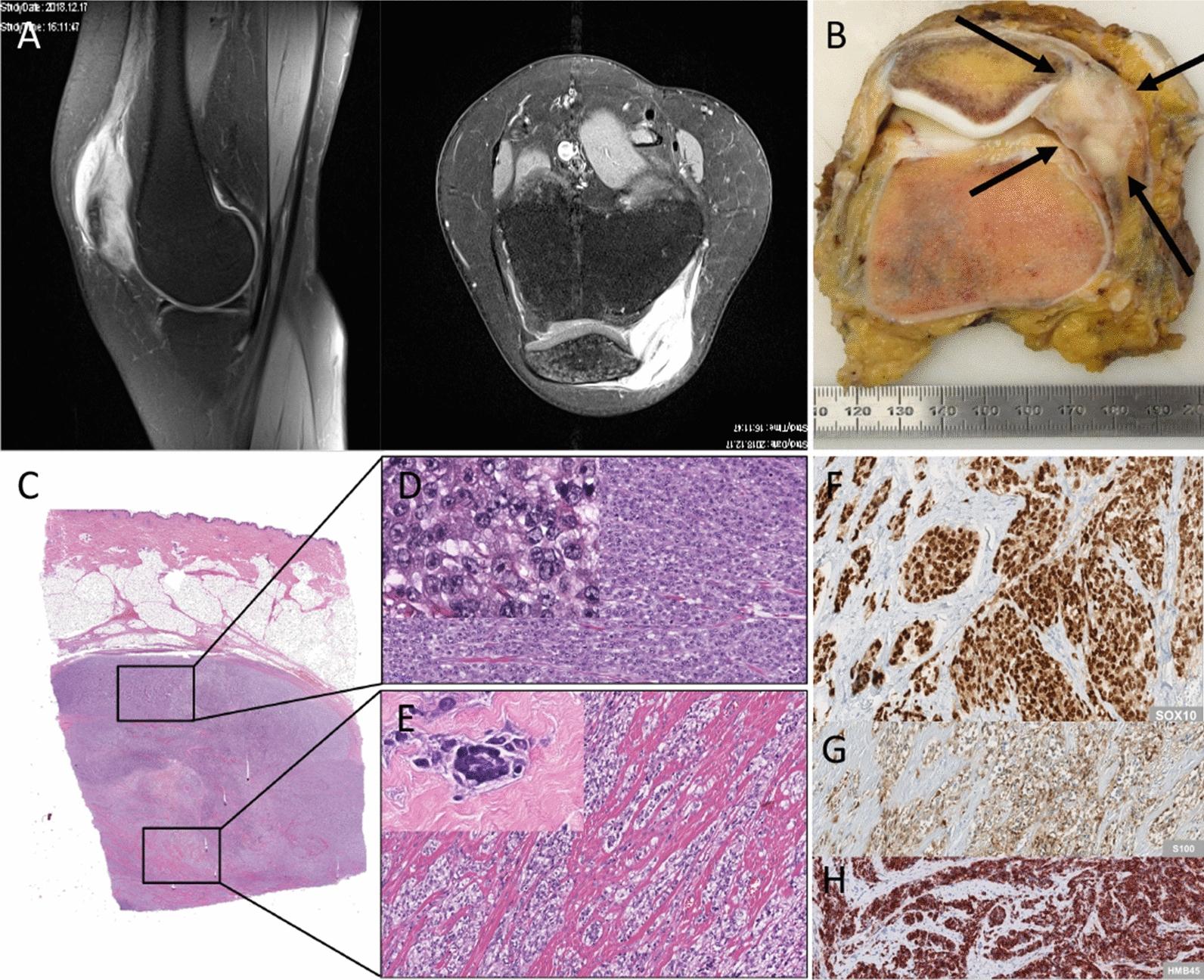
Clear cell sarcomas (CCSs) are translocated aggressive malignancies, most commonly affecting young adults with a high incidence of metastases and a poor prognosis. Research into the disease is more feasible when adequate models are available. By establishing CCS cell lines from a primary and metastatic lesion and isolating healthy fibroblasts from the same patient, the in vivo process is accurately reflected and aspects of clinical multistep carcinogenesis recapitulated.
METHODS
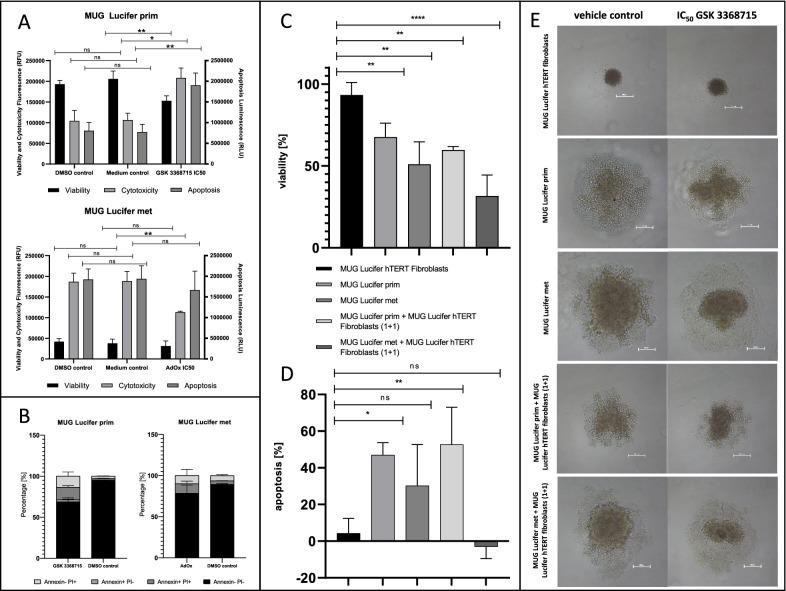
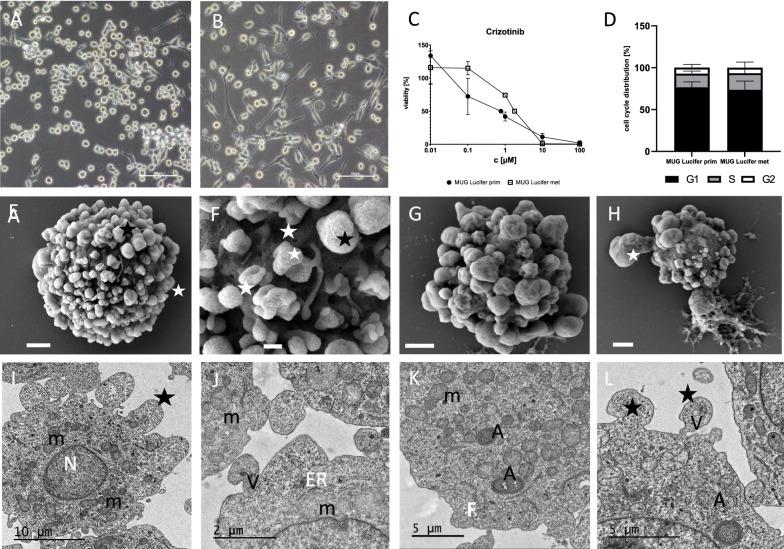
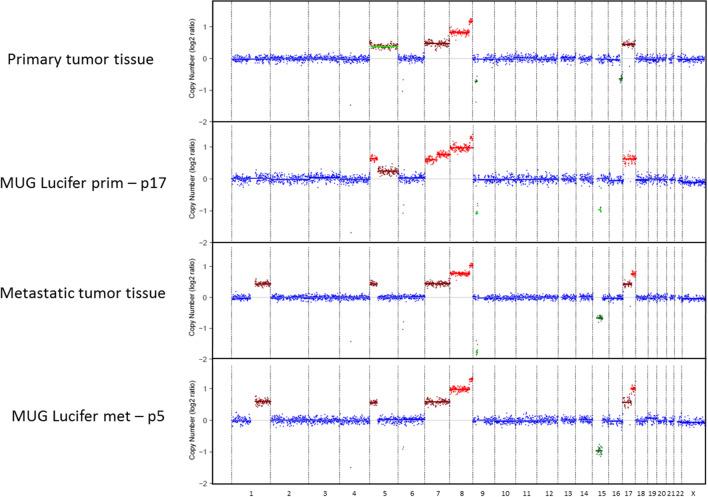
Isolated tumor cells and normal healthy skin fibroblasts from the same patient were compared in terms of growth behavior and morphological characteristics using light and electron microscopy. Tumorigenicity potential was determined by soft agar colony formation assay and in vivo xenograft applications. While genetic differences between the two lineages were examined by copy number alternation profiles, nuclear magnetic resonance spectroscopy determined arginine methylation as epigenetic features. Potential anti-tumor effects of a protein arginine N-methyltransferase type I (PRMT1) inhibitor were elicited in 2D and 3D cell culture experiments using cell viability and apoptosis assays. Statistical significance was calculated by one-way ANOVA and unpaired t-test.
RESULTS
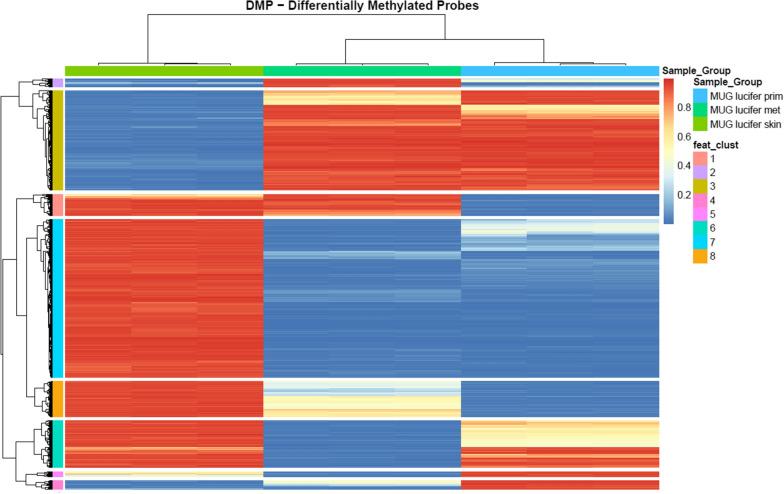
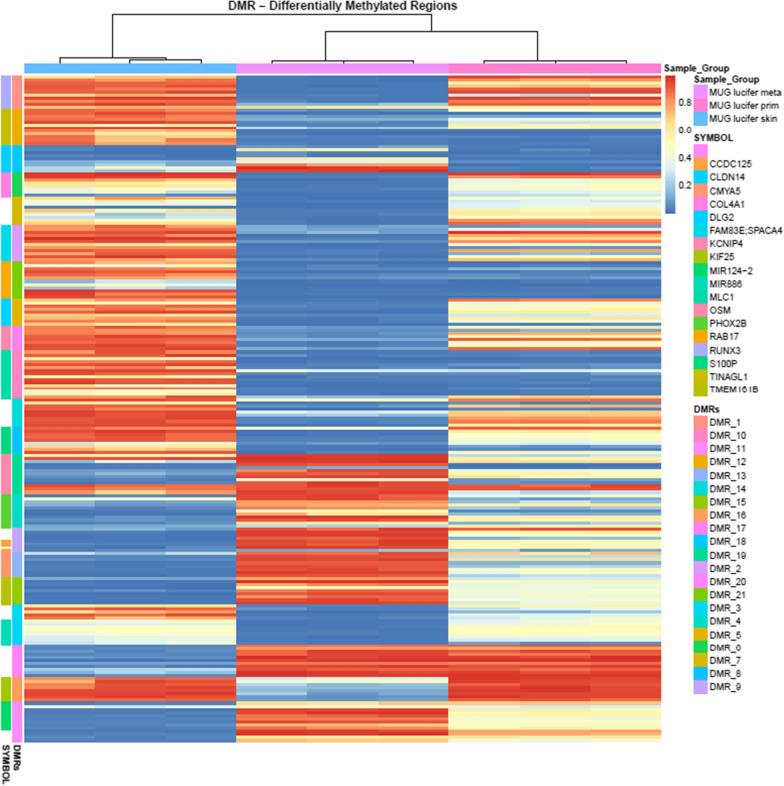
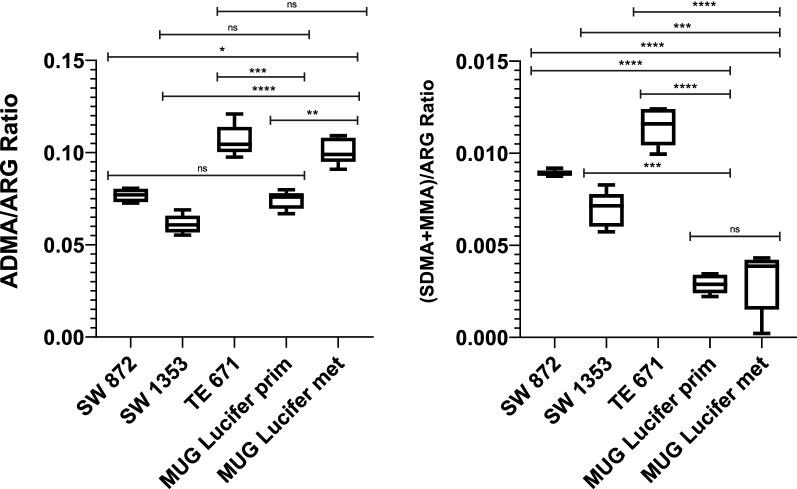
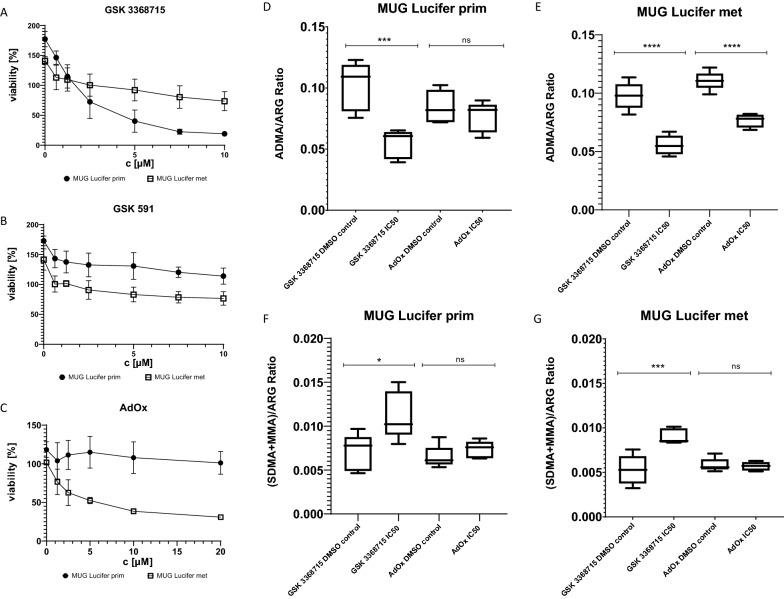
The two established CCS cell lines named MUG Lucifer prim and MUG Lucifer met showed differences in morphology, genetic and epigenetic data, reflecting the respective original tissue. The detailed cell line characterization especially in regards to the epigenetic domain allows investigation of new innovative therapies. Based on the epigenetic data, a PRMT1 inhibitor was used to demonstrate the targeted antitumor effect; normal tissue cells isolated and immortalized from the same patient were not affected with the IC used.
CONCLUSIONS
MUG Lucifer prim, MUG Lucifer met and isolated and immortalized fibroblasts from the same patient represent an ideal in vitro model to explore the biology of CCS. Based on this cell culture model, novel therapies could be tested in the form of PRMT1 inhibitors, which drive tumor cells into apoptosis, but show no effect on fibroblasts, further supporting their potential as promising treatment options in the combat against CCS. The data substantiate the importance of tailored therapies in the advanced metastatic stage of CCS.
背景
透明细胞肉瘤(CCS)是一种易转移的侵袭性恶性肿瘤,主要发生在年轻人中,转移率高,预后差。当有足够的模型时,对该疾病的研究更可行。通过从原发性和转移性病变建立 CCS 细胞系,并从同一患者中分离健康成纤维细胞,可以准确反映体内过程,并再现临床多步骤致癌的各个方面。
方法
使用光镜和电子显微镜比较同一患者的分离肿瘤细胞和正常健康皮肤成纤维细胞的生长行为和形态特征。通过软琼脂集落形成测定和体内异种移植应用来确定肿瘤发生潜能。通过拷贝数改变谱检查两个谱系之间的遗传差异,通过核磁共振波谱确定精氨酸甲基化作为表观遗传特征。使用细胞活力和细胞凋亡测定在 2D 和 3D 细胞培养实验中检测蛋白精氨酸 N-甲基转移酶 I(PRMT1)抑制剂的潜在抗肿瘤作用。通过单向方差分析和未配对 t 检验计算统计学意义。
结果
两个建立的 CCS 细胞系命名为 MUG Lucifer prim 和 MUG Lucifer met,在形态、遗传和表观遗传数据方面存在差异,反映了各自的原始组织。详细的细胞系特征,特别是在表观遗传领域,允许研究新的创新疗法。基于表观遗传数据,使用 PRMT1 抑制剂来证明靶向抗肿瘤作用;从同一患者分离和永生化的正常组织细胞在使用的 IC 下不受影响。
结论
MUG Lucifer prim、MUG Lucifer met 和从同一患者分离和永生化的成纤维细胞代表了探索 CCS 生物学的理想体外模型。基于该细胞培养模型,可以以 PRMT1 抑制剂的形式测试新的治疗方法,这些抑制剂可诱导肿瘤细胞凋亡,但对成纤维细胞没有影响,进一步支持它们作为治疗 CCS 的有前途的治疗选择的潜力。这些数据证实了在 CCS 的晚期转移性阶段进行靶向治疗的重要性。

 Zotero 插件