
生成用于 PRUNE-1 的条件性敲除等位基因。
Generation of Conditional Knockout Alleles for PRUNE-1.
机构信息
Department of Biochemistry and Medical Genetics, University of Manitoba, Winnipeg, MB R3E 0J9, Canada.
Children's Hospital Research Institute of Manitoba (CHRIM), Winnipeg, MB R3E 0Z3, Canada.
出版信息
Cells. 2023 Feb 6;12(4):524. doi: 10.3390/cells12040524.
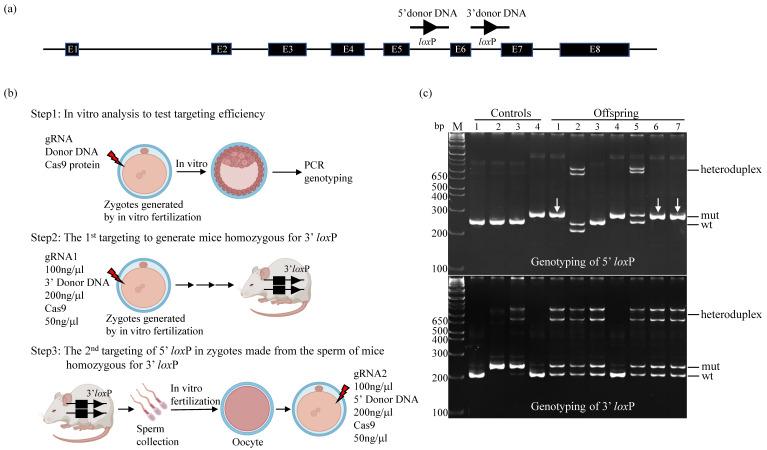
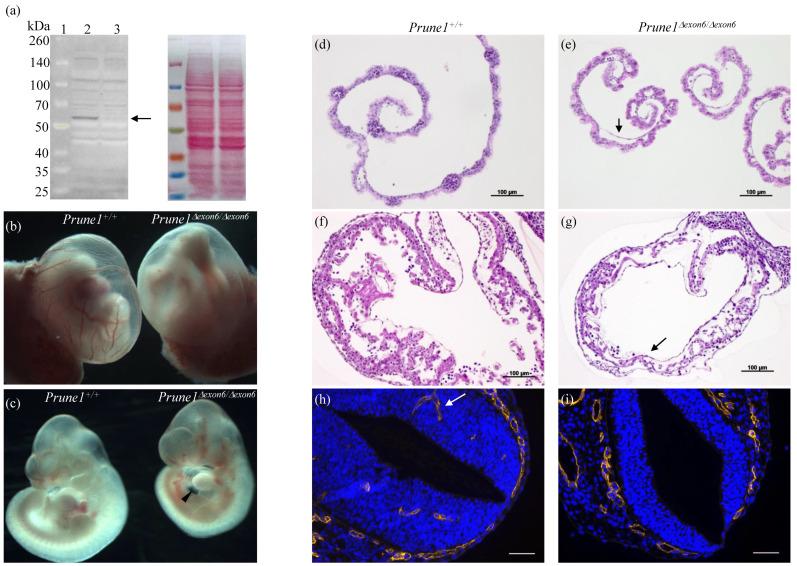
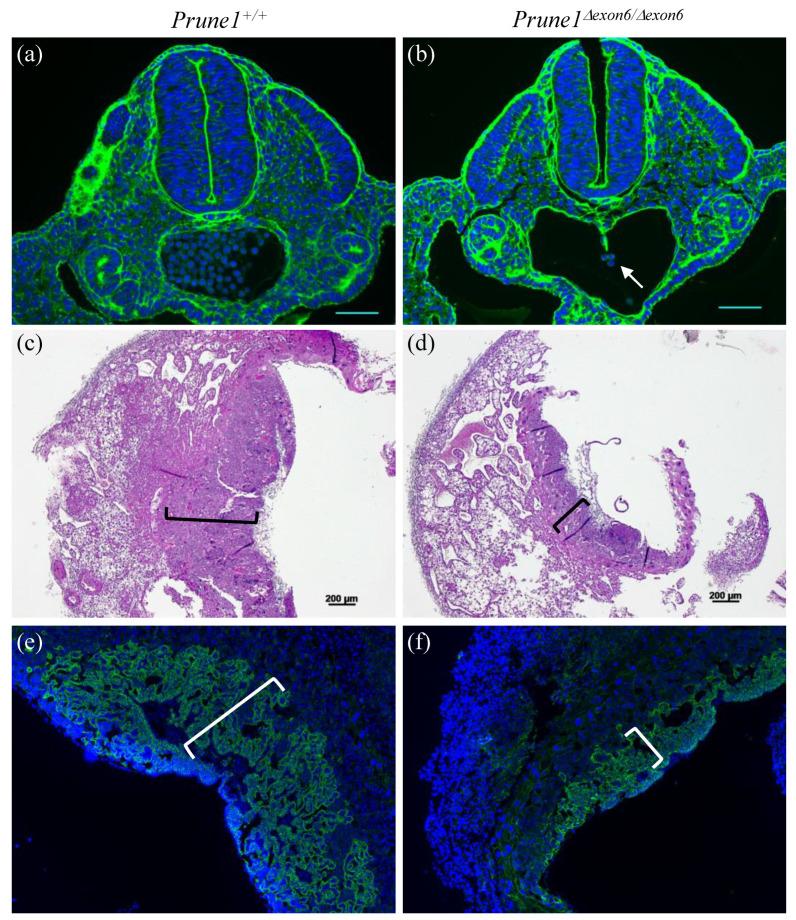
PRUNE1 is a member of the aspartic acid-histidine-histidine (DHH) protein superfamily, which could display an exopolyphosphatase activity and interact with multiple cellular proteins involved in the cytoskeletal rearrangement. It is widely expressed during embryonic development and is essential for embryogenesis. PRUNE1 could also be critical for postnatal development of the nervous system as it was found to be mutated in patients with microcephaly, brain malformations, and neurodegeneration. To determine the cellular function of PRUNE1 during development and in disease, we have generated conditional mouse alleles of the in which P sites flank exon 6. Crossing these alleles with a ubiquitous Cre transgenic line resulted in a complete loss of PRUNE1 expression and embryonic defects identical to those previously described for null embryos. In addition, breeding these alleles with a Purkinje cell-specific Cre line () resulted in the loss of Purkinje cells similar to that observed in patients carrying a mutation with loss of PRUNE1 function. Therefore, the conditional mouse alleles generated in this study provide important genetic tools not only for dissecting the spatial and temporal roles of PRUNE1 during development but also for understanding the pathogenic role of PRUNE1 dysfunction in neurodegenerative or neurodevelopmental disease. In addition, from this work, we have described an approach that allows one to efficiently generate conditional mouse alleles based on mouse zygote electroporation.
PRUNE1 是天冬氨酸-组氨酸-组氨酸 (DHH) 蛋白超家族的成员,具有外切多聚磷酸酶活性,并与参与细胞骨架重排的多种细胞蛋白相互作用。它在胚胎发育过程中广泛表达,对胚胎发生至关重要。PRUNE1 对于神经系统的出生后发育也可能至关重要,因为在患有小头畸形、脑畸形和神经退行性变的患者中发现其发生了突变。为了确定 PRUNE1 在发育过程中和疾病中的细胞功能,我们已经生成了条件性的 小鼠等位基因,其中 P 位侧翼外显子 6。将这些等位基因与普遍表达的 Cre 转基因系杂交,导致 PRUNE1 表达完全缺失,并出现与先前描述的 缺失胚胎相同的胚胎缺陷。此外,将这些等位基因与浦肯野细胞特异性 Cre 系 () 杂交,导致浦肯野细胞缺失,类似于携带 PRUNE1 功能缺失突变的患者中观察到的情况。因此,本研究中生成的 条件性小鼠等位基因不仅为在发育过程中解析 PRUNE1 的时空作用提供了重要的遗传工具,而且为理解 PRUNE1 功能障碍在神经退行性或神经发育性疾病中的致病作用提供了重要的遗传工具。此外,通过这项工作,我们描述了一种方法,可基于小鼠受精卵电穿孔来高效生成条件性小鼠等位基因。

 Zotero 插件