
CD169+ 巨噬细胞内源性 IL-10 的产生调节脓毒症期间的免疫稳态。
CD169+ macrophage intrinsic IL-10 production regulates immune homeostasis during sepsis.
机构信息
Department of Microbiology, New York University Langone School of Medicine, New York, NY 10016, USA.
Department of Immunology, UConn Health School of Medicine, Farmington, CT 06032, USA.
出版信息
Cell Rep. 2023 Mar 28;42(3):112171. doi: 10.1016/j.celrep.2023.112171. Epub 2023 Mar 2.
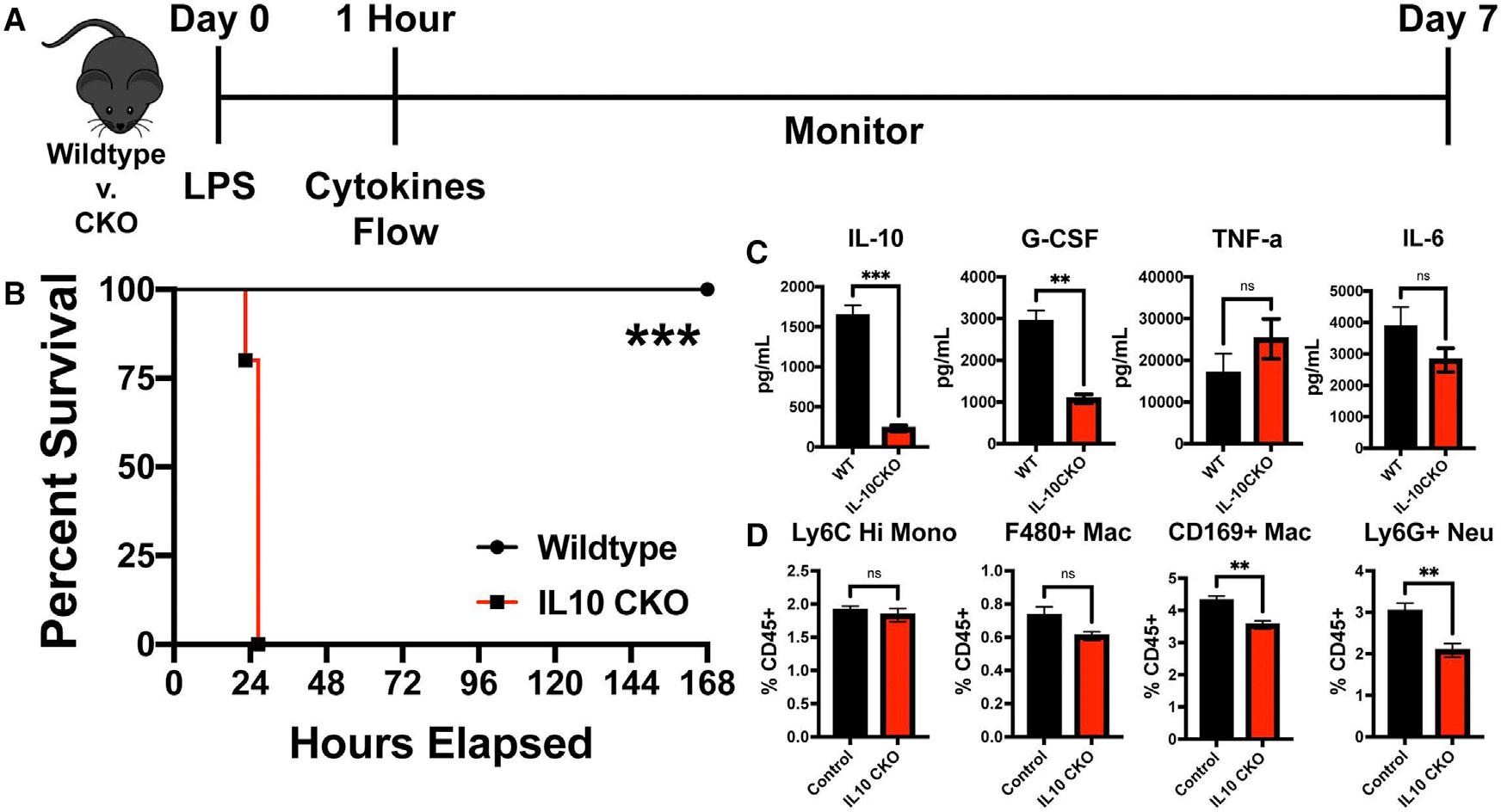
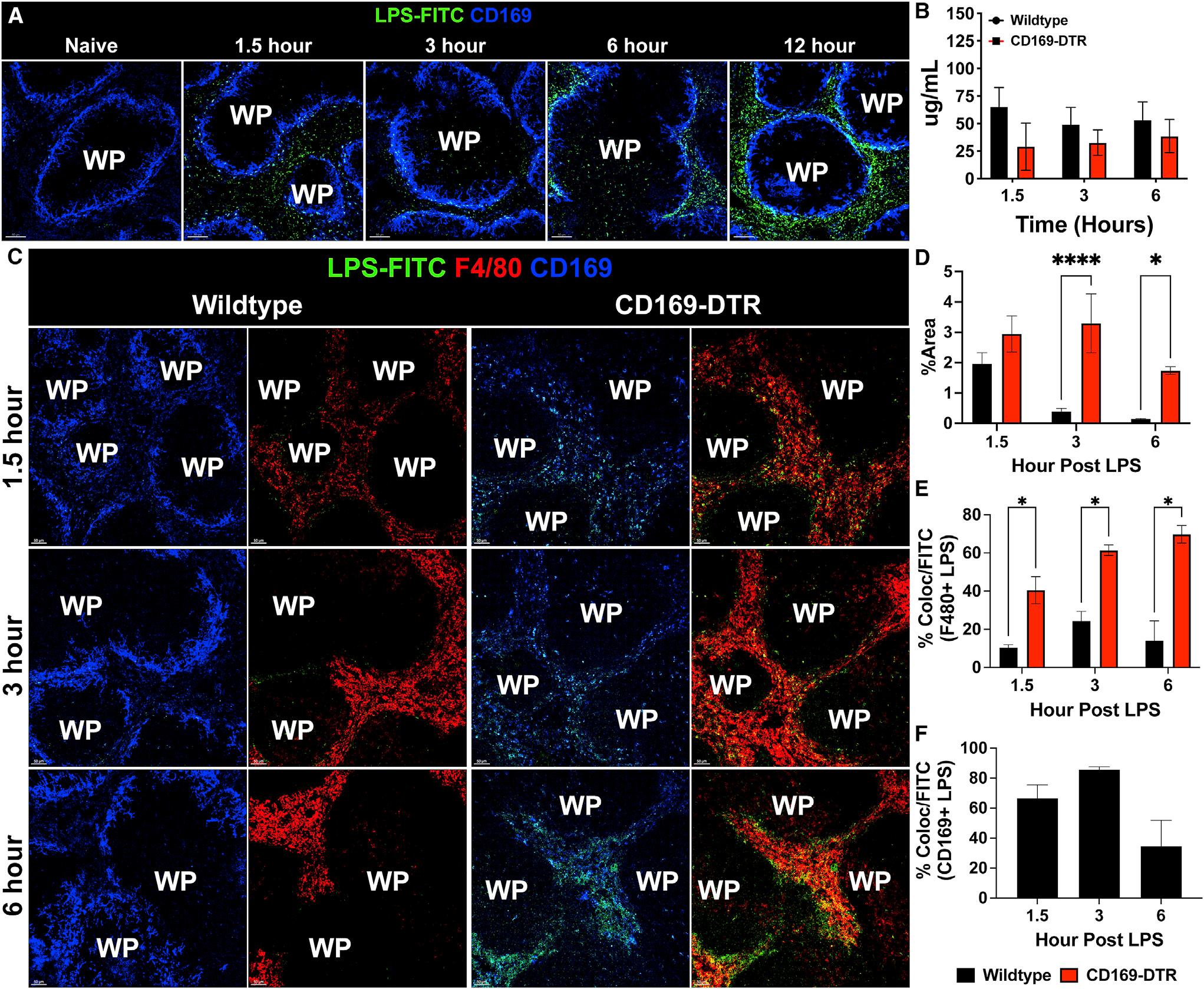
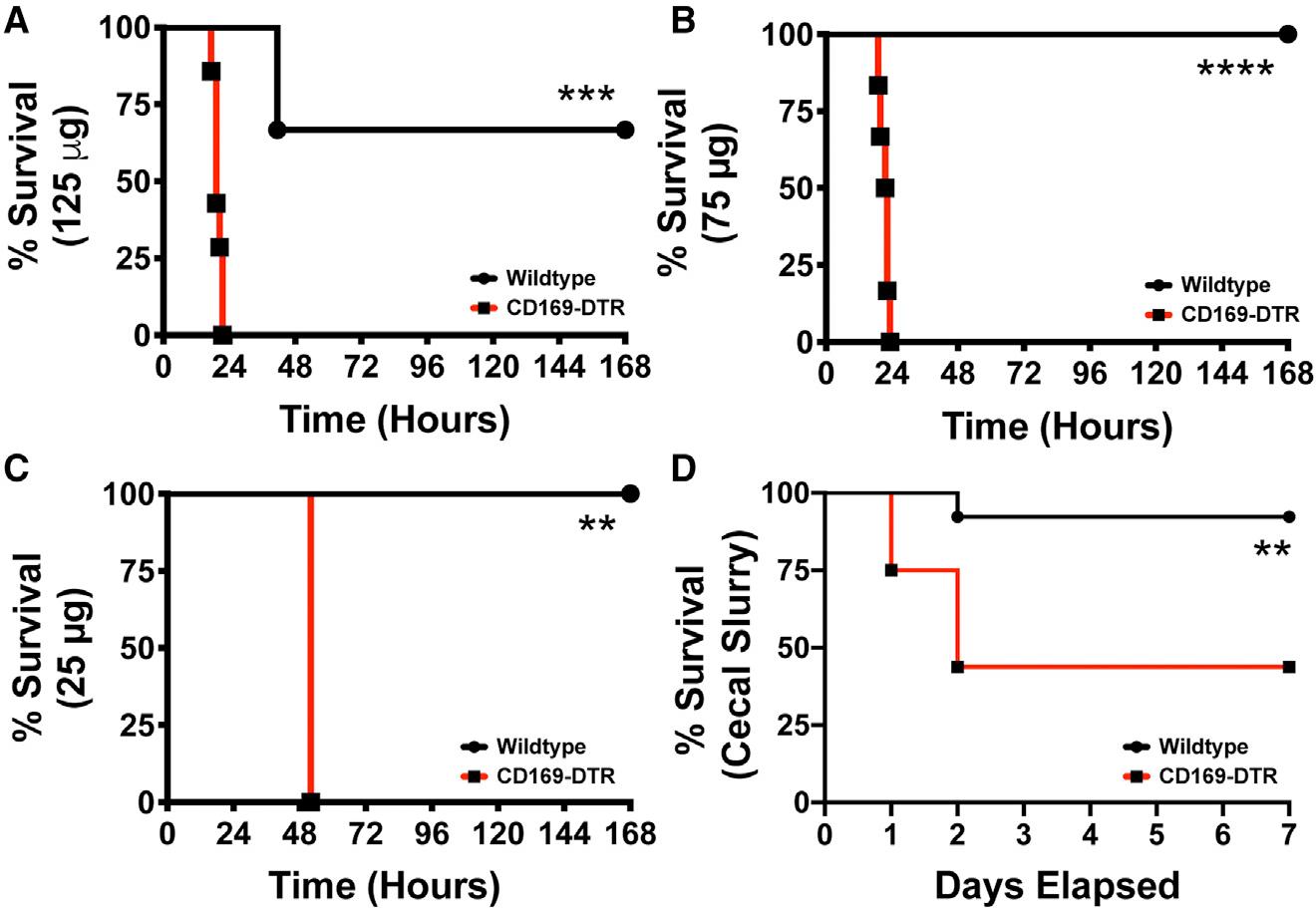
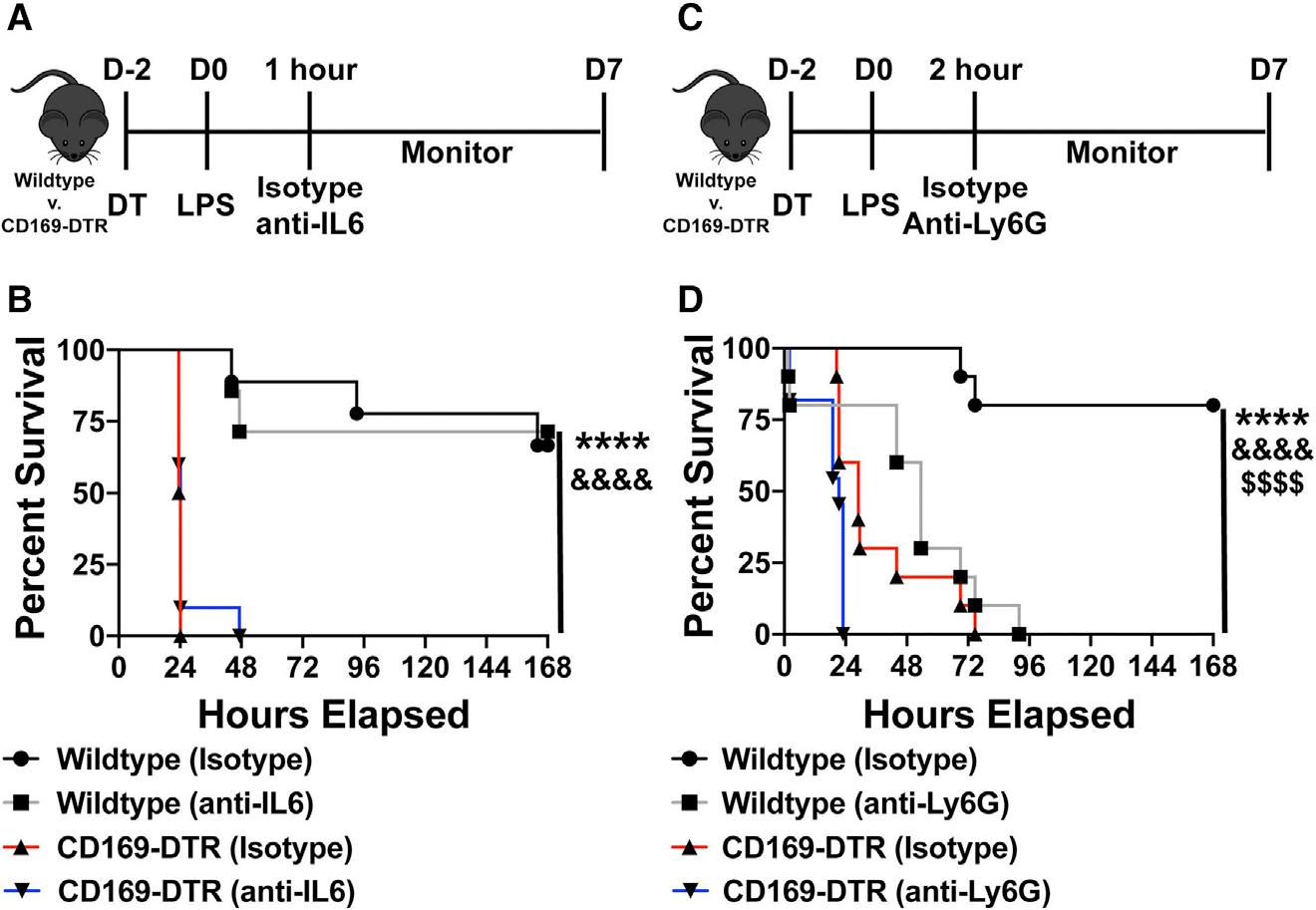
Macrophages facilitate critical functions in regulating pathogen clearance and immune homeostasis in tissues. The remarkable functional diversity exhibited by macrophage subsets is dependent on tissue environment and the nature of the pathological insult. Our current knowledge of the mechanisms that regulate the multifaceted counter-inflammatory responses mediated by macrophages remains incomplete. Here, we report that CD169+ macrophage subsets are necessary for protection under excessive inflammatory conditions. We show that in the absence of these macrophages, even under mild septic conditions, mice fail to survive and exhibit increased production of inflammatory cytokines. Mechanistically, CD169+ macrophages control inflammatory responses via interleukin-10 (IL-10), as CD169+ macrophage-specific deletion of IL-10 was lethal during septic conditions, and recombinant IL-10 treatment reduced lipopolysaccharide (LPS)-induced lethality in mice lacking CD169+ macrophages. Collectively, our findings show a pivotal homeostatic role for CD169+ macrophages and suggest they may serve as an important target for therapy under damaging inflammatory conditions.
巨噬细胞有助于在组织中调节病原体清除和免疫稳态的关键功能。巨噬细胞亚群表现出的显著功能多样性依赖于组织环境和病理损伤的性质。我们对调节巨噬细胞介导的多方面抗炎反应的机制的了解仍然不完整。在这里,我们报告 CD169+巨噬细胞亚群是在过度炎症条件下保护所必需的。我们表明,在没有这些巨噬细胞的情况下,即使在轻度败血症条件下,小鼠也无法存活,并表现出炎症细胞因子产生增加。从机制上讲,CD169+巨噬细胞通过白细胞介素 10(IL-10)控制炎症反应,因为在败血症条件下,CD169+巨噬细胞特异性缺失 IL-10 是致命的,而重组 IL-10 治疗可降低缺乏 CD169+巨噬细胞的小鼠中脂多糖(LPS)诱导的致死率。总的来说,我们的发现表明 CD169+巨噬细胞在体内具有重要的稳态作用,并表明它们可能成为在破坏性炎症条件下治疗的重要靶点。


 Zotero 插件