
全身炎症中脑免疫微环境和细胞动力学的调节
Modulation of brain immune microenvironment and cellular dynamics in systemic inflammation.
作者信息
Wang Junhao, Zhong Zhaoqian, Luo Haihua, Han Qizheng, Wu Kan, Jiang Aolin, Chen Li, Gao Yanxia, Jiang Yong
机构信息
Guangdong Provincial Key Laboratory of Proteomics, State Key Laboratory of Organ Failure Research, Department of Pathophysiology, School of Basic Medical Sciences, Southern Medical University, Guangzhou 510515, China.
Current address: Department of Medicine, Section of Epidemiology and Population Sciences, Dan L Duncan Comprehensive Cancer Center, Baylor College of Medicine, One Baylor Plaza, Houston, TX, USA.
出版信息
Theranostics. 2025 Apr 9;15(11):5153-5171. doi: 10.7150/thno.107061. eCollection 2025.
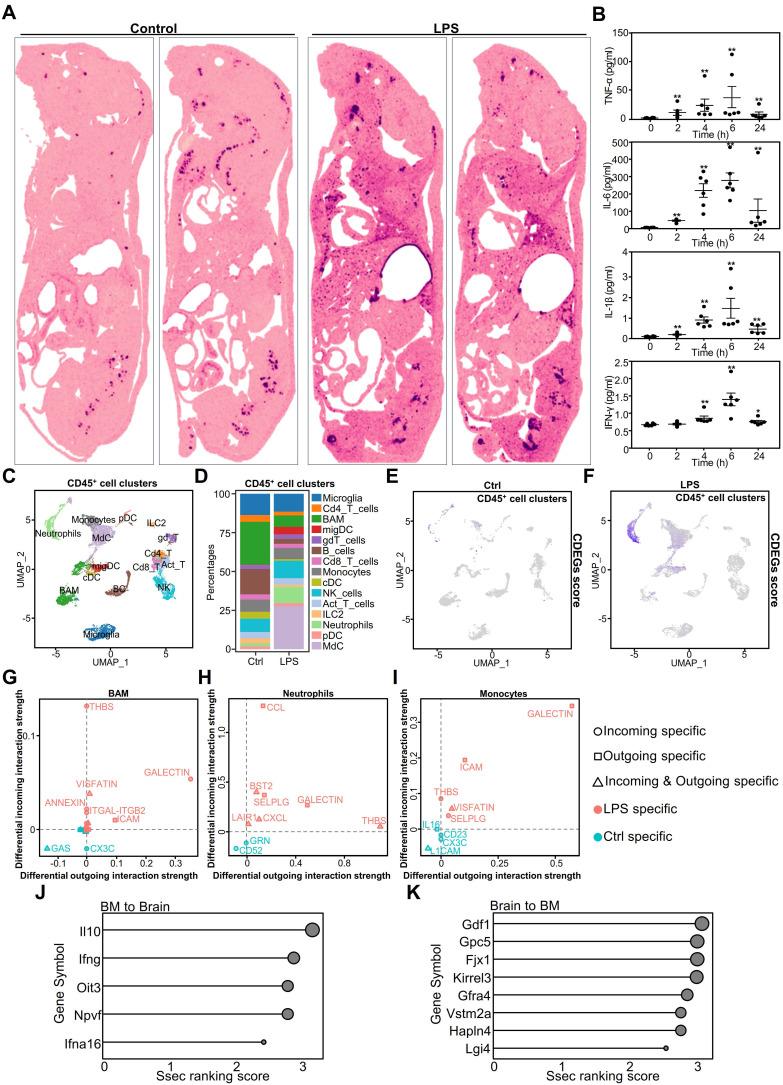
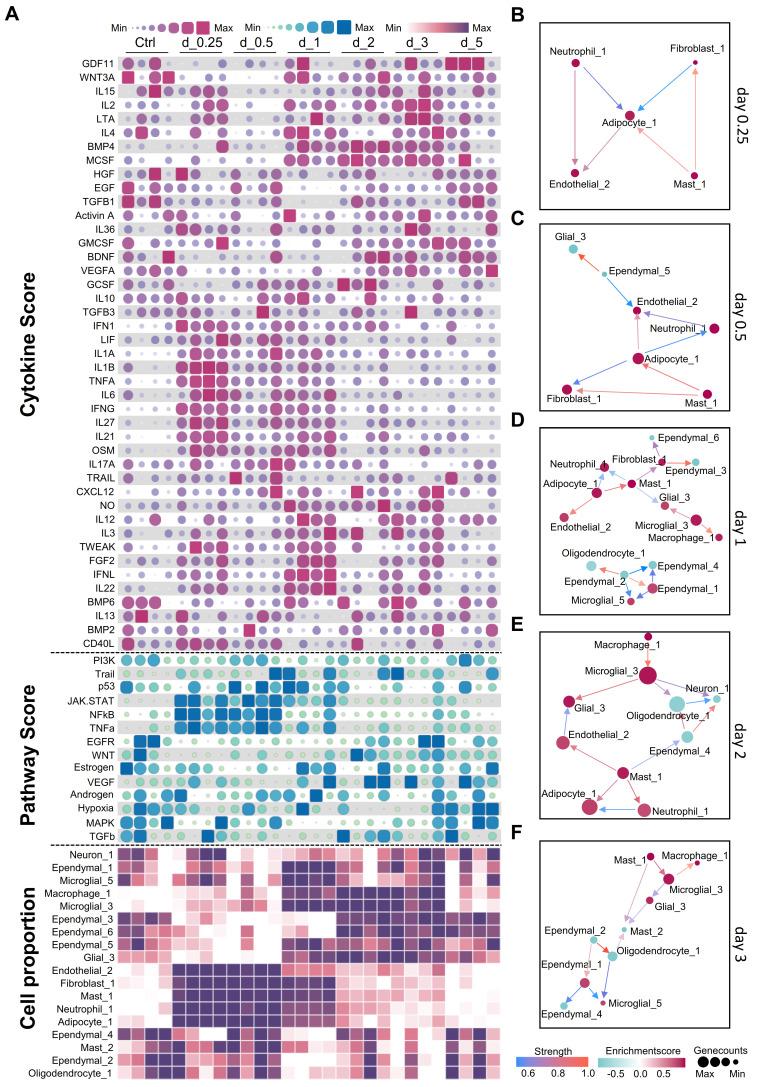
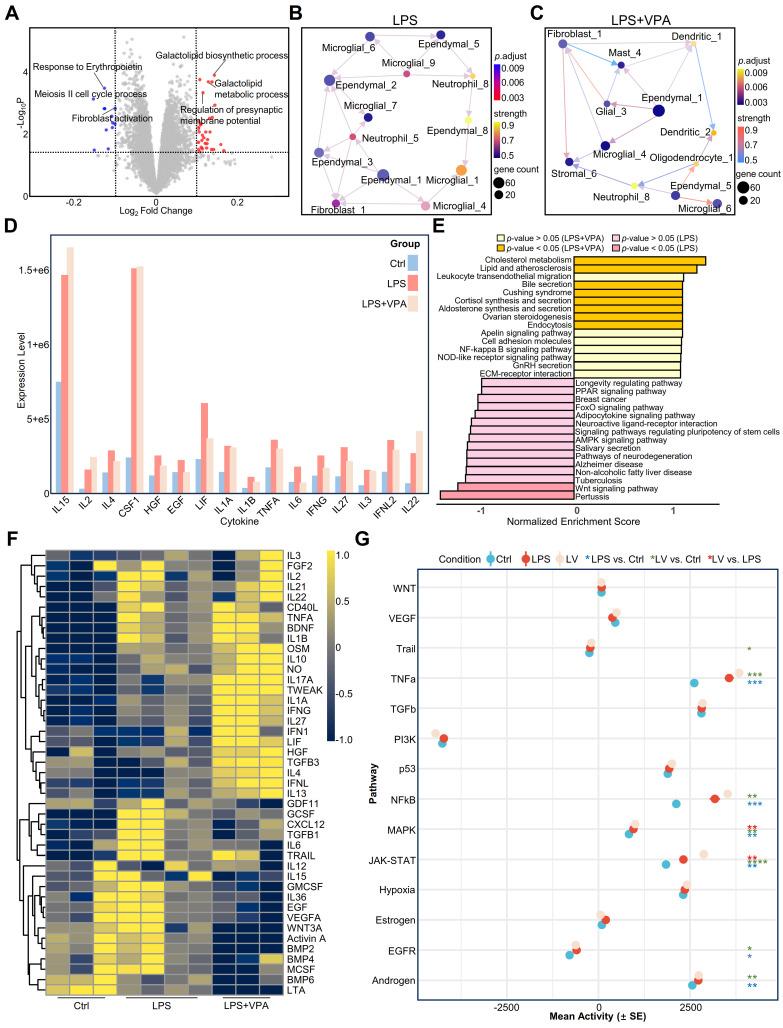
Sepsis-associated encephalopathy (SAE) is a severe complication of sepsis, affecting approximately 70% of patients, leading to increased mortality and long-term cognitive impairments among survivors. However, there is a lack of comprehensive studies on the development of SAE, especially related to the cellular communication networks in the brain microenvironment. We evaluated the impact of myeloid cells on the brain's immune microenvironment through glial cell alterations using bulk and single-cell transcriptomics data from human and mouse models and validated this with correlative experiments. We also developed the DeconvCellLink R package to study neuroinflammation-associated cellular interaction networks. A dynamic brain immune microenvironment map showing temporal alterations in brain cellular network during systemic inflammatory reactions was constructed using time-series data. While brain cellular alterations differed between human and animal models, a highly conserved set of sepsis-associated genes regulating immune microenvironment signalling was identified. The dynamic alterations in cellular interaction networks and cytokines revealed brain immune cells' temporal response to systemic inflammation. We also found that valproic acid could mitigate sepsis-induced neuroinflammation by regulating glial cell balance and modulating the neuroimmune microenvironment. Through dynamic cellular communication networks, the study revealed that, immune dysregulation in the inflamed brain in SAE involves overactivation of innate immunity, with neutrophils playing a crucial role, providing a scientific framework for developing novel therapeutic strategies and offering new insights into the mechanisms underlying sepsis-induced brain dysfunction.
脓毒症相关脑病(SAE)是脓毒症的一种严重并发症,影响约70%的患者,导致死亡率增加以及幸存者出现长期认知障碍。然而,目前缺乏关于SAE发生发展的全面研究,尤其是与脑微环境中的细胞通讯网络相关的研究。我们利用来自人类和小鼠模型的批量和单细胞转录组学数据,通过神经胶质细胞改变评估了髓样细胞对脑免疫微环境的影响,并通过相关实验进行了验证。我们还开发了DeconvCellLink R软件包来研究神经炎症相关的细胞相互作用网络。利用时间序列数据构建了一个动态脑免疫微环境图谱,展示了全身炎症反应期间脑细胞网络的时间变化。虽然人类和动物模型中的脑细胞改变有所不同,但我们鉴定出了一组高度保守的脓毒症相关基因,它们调节免疫微环境信号传导。细胞相互作用网络和细胞因子的动态变化揭示了脑免疫细胞对全身炎症的时间反应。我们还发现丙戊酸可以通过调节神经胶质细胞平衡和调节神经免疫微环境来减轻脓毒症诱导的神经炎症。通过动态细胞通讯网络,该研究揭示,SAE中炎症脑内的免疫失调涉及固有免疫的过度激活,其中中性粒细胞起关键作用,为开发新的治疗策略提供了科学框架,并为脓毒症诱导的脑功能障碍的潜在机制提供了新见解。


 Zotero 插件