
β-内酰胺增效剂使耐药病原体重新敏感:发现、开发、临床应用及未来方向
β-Lactam potentiators to re-sensitize resistant pathogens: Discovery, development, clinical use and the way forward.
作者信息
Narendrakumar Lekshmi, Chakraborty Medha, Kumari Shashi, Paul Deepjyoti, Das Bhabatosh
机构信息
Functional Genomics Laboratory, Infection and Immunology Division, Translational Health Science and Technology Institute, Faridabad, India.
出版信息
Front Microbiol. 2023 Mar 10;13:1092556. doi: 10.3389/fmicb.2022.1092556. eCollection 2022.
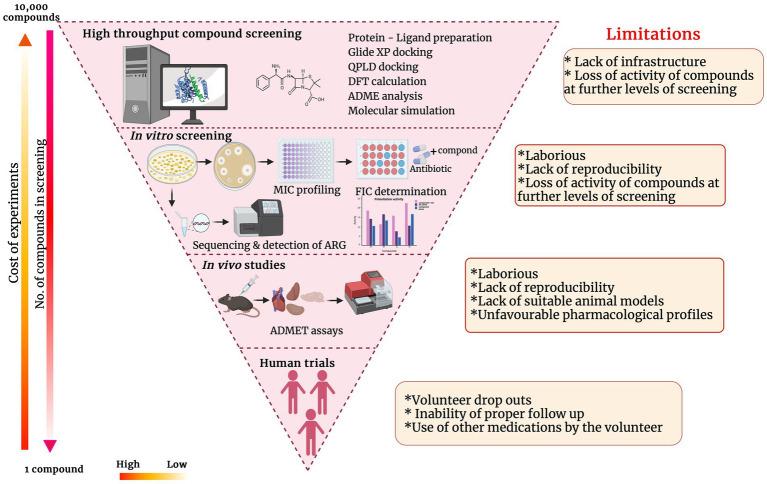
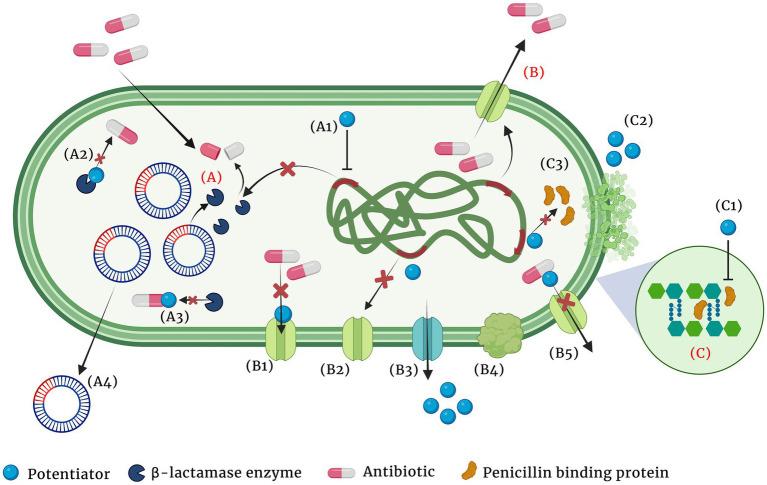
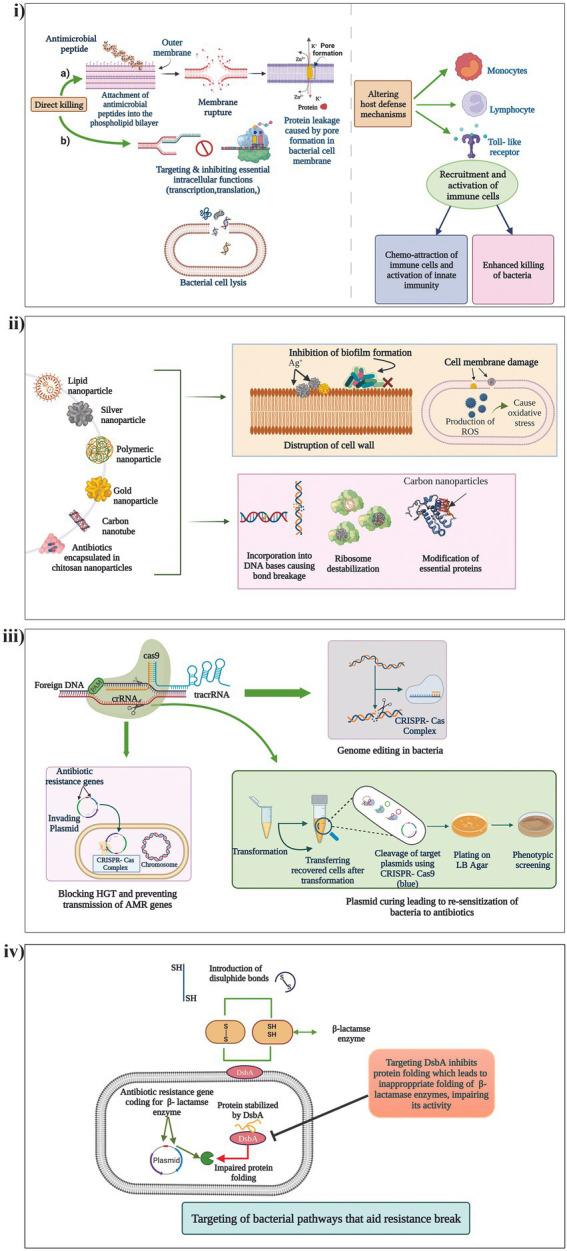
β-lactam antibiotics are one of the most widely used and diverse classes of antimicrobial agents for treating both Gram-negative and Gram-positive bacterial infections. The β-lactam antibiotics, which include penicillins, cephalosporins, monobactams and carbapenems, exert their antibacterial activity by inhibiting the bacterial cell wall synthesis and have a global positive impact in treating serious bacterial infections. Today, β-lactam antibiotics are the most frequently prescribed antimicrobial across the globe. However, due to the widespread use and misapplication of β-lactam antibiotics in fields such as human medicine and animal agriculture, resistance to this superlative drug class has emerged in the majority of clinically important bacterial pathogens. This heightened antibiotic resistance prompted researchers to explore novel strategies to restore the activity of β-lactam antibiotics, which led to the discovery of β-lactamase inhibitors (BLIs) and other β-lactam potentiators. Although there are several successful β-lactam-β-lactamase inhibitor combinations in use, the emergence of novel resistance mechanisms and variants of β-lactamases have put the quest of new β-lactam potentiators beyond precedence. This review summarizes the success stories of β-lactamase inhibitors in use, prospective β-lactam potentiators in various phases of clinical trials and the different strategies used to identify novel β-lactam potentiators. Furthermore, this review discusses the various challenges in taking these β-lactam potentiators from bench to bedside and expounds other mechanisms that could be investigated to reduce the global antimicrobial resistance (AMR) burden.
β-内酰胺类抗生素是治疗革兰氏阴性菌和革兰氏阳性菌感染最广泛使用且种类多样的抗菌药物之一。β-内酰胺类抗生素包括青霉素类、头孢菌素类、单环β-内酰胺类和碳青霉烯类,它们通过抑制细菌细胞壁合成发挥抗菌活性,对治疗严重细菌感染具有全球性的积极影响。如今,β-内酰胺类抗生素是全球最常处方的抗菌药物。然而,由于β-内酰胺类抗生素在人类医学和动物养殖等领域的广泛使用和误用,大多数临床上重要的细菌病原体已对这类顶级药物产生了耐药性。这种抗生素耐药性的加剧促使研究人员探索恢复β-内酰胺类抗生素活性的新策略,从而发现了β-内酰胺酶抑制剂(BLIs)和其他β-内酰胺增效剂。尽管目前有几种成功使用的β-内酰胺类-内酰胺酶抑制剂组合,但新型耐药机制和β-内酰胺酶变体的出现使寻找新的β-内酰胺增效剂变得刻不容缓。本综述总结了已使用的β-内酰胺酶抑制剂的成功案例、处于临床试验各阶段的潜在β-内酰胺增效剂以及用于鉴定新型β-内酰胺增效剂的不同策略。此外,本综述还讨论了将这些β-内酰胺增效剂从实验室推向临床所面临的各种挑战,并阐述了其他可研究的机制,以减轻全球抗菌药物耐药性(AMR)负担。

 Zotero 插件