
儿童肺部曲霉菌病的管理:系统评价。
Management of pulmonary aspergillosis in children: a systematic review.
机构信息
Cystic Fibrosis Regional Reference Center, Department of Paediatric Medicine, Meyer Children's Hospital IRCCS, Florence, Italy.
Pediatrics resident, Department of Health Sciences, Meyer Children's University Hospital IRCCS, University of Florence, Florence, Italy.
出版信息
Ital J Pediatr. 2023 Mar 28;49(1):39. doi: 10.1186/s13052-023-01440-9.
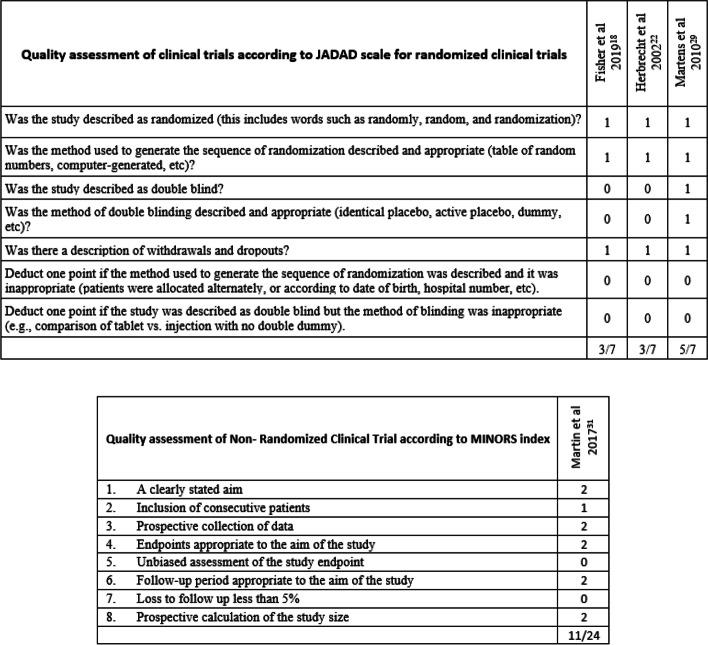
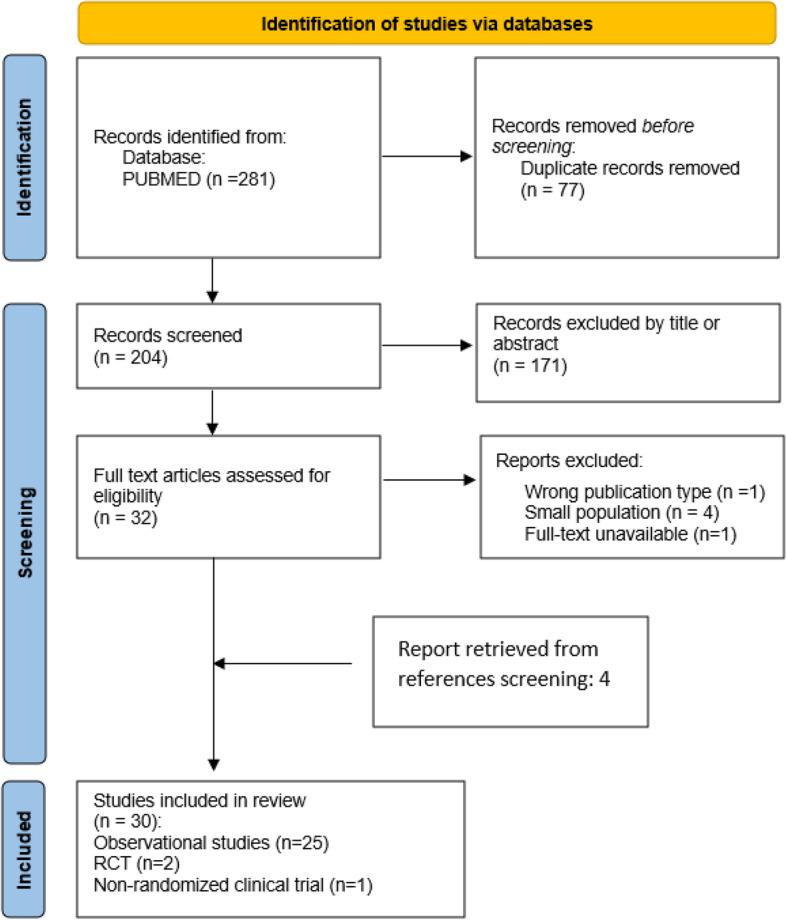
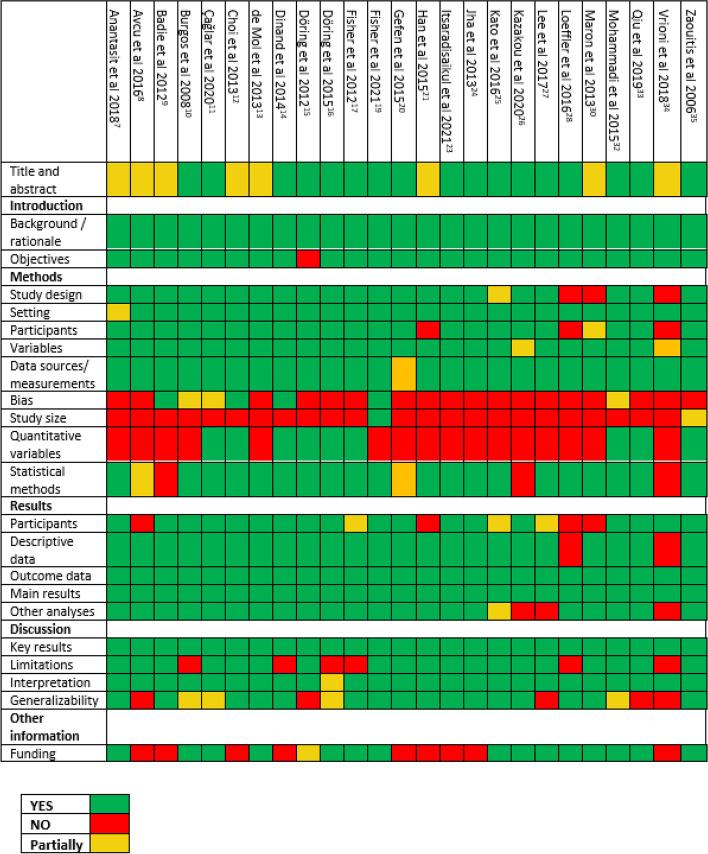
Invasive pulmonary aspergillosis (IPA) is a severe condition in immunocompromised children, but the optimal management is still under debate. In order to better clarify this issue, a literature search was performed through MEDLINE/PubMed database to describe current risk factors and diagnostic, therapeutic and prophylactic tools for invasive pulmonary aspergillosis (IPA) in the paediatric age. Observational studies and clinical trials regarding diagnosis, treatment and prophylaxis were considered, and results were summarised. Five clinical trials and 25 observational studies (4453 patients) were included.Haematological malignancies, previous organ transplant and other primary or acquired immunodeficiency were identified as risk factors for IPA in children.Current diagnostic criteria distinguish between "proven", "probable" and "possible" disease. Consecutive galactomannan assays have good sensitivity and specificity, especially when performed on broncho-alveolar lavage. At the same time, β-D-glucan should not be used since cut-off in children is unclear. PCR assays cannot currently be recommended for routine use.Voriconazole is the recommended first-line agent for IPA in children older than 2 years of age. Liposomal amphotericin B is preferred in younger patients or cases of intolerance to voriconazole. Its plasma concentrations should be monitored throughout the treatment. The optimal duration of therapy has yet to be determined. Posaconazole is the preferred prophylactic agent in children older than 13 years old, whereas oral voriconazole or itraconazole are the drugs of choice for those between 2-12 years. Further good-quality studies are warranted to improve clinical practice.
侵袭性肺曲霉病(IPA)是免疫功能低下儿童的一种严重疾病,但最佳治疗方法仍存在争议。为了更好地阐明这一问题,通过 MEDLINE/PubMed 数据库进行了文献检索,以描述儿科侵袭性肺曲霉病(IPA)的当前危险因素以及诊断、治疗和预防工具。考虑了关于诊断、治疗和预防的观察性研究和临床试验,并对结果进行了总结。共纳入了 5 项临床试验和 25 项观察性研究(4453 例患者)。血液系统恶性肿瘤、既往器官移植和其他原发性或获得性免疫缺陷被确定为儿童 IPA 的危险因素。目前的诊断标准将疾病分为“确诊”、“可能”和“疑似”。连续进行半乳甘露聚糖检测具有良好的敏感性和特异性,尤其是在支气管肺泡灌洗时。同时,不建议使用β-D-葡聚糖,因为其在儿童中的截断值尚不清楚。聚合酶链反应(PCR)检测目前不能推荐用于常规使用。伏立康唑是 2 岁以上儿童 IPA 的推荐一线药物。对于年幼的患者或不能耐受伏立康唑的患者,推荐使用脂质体两性霉素 B。应在整个治疗过程中监测其血药浓度。治疗的最佳持续时间尚未确定。泊沙康唑是年龄大于 13 岁儿童的首选预防药物,而对于 2-12 岁的儿童,口服伏立康唑或伊曲康唑是首选药物。需要进一步开展高质量的研究来改善临床实践。
 Zotero 插件