
发表偏倚对生态学和进化生物学中的效应大小、统计功效和幅度(M 型)以及符号(S 型)错误有影响。
Publication bias impacts on effect size, statistical power, and magnitude (Type M) and sign (Type S) errors in ecology and evolutionary biology.
机构信息
Evolution & Ecology Research Centre and School of Biological, Earth and Environmental Sciences, University of New South Wales, Sydney, NSW, 2052, Australia.
Department of Biosystems Engineering, Zhejiang University, Hangzhou, 310058, China.
出版信息
BMC Biol. 2023 Apr 3;21(1):71. doi: 10.1186/s12915-022-01485-y.
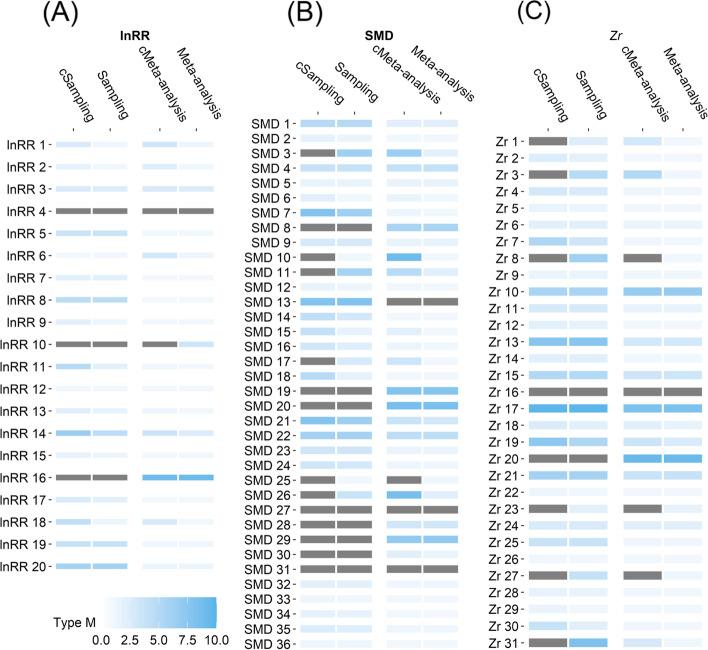
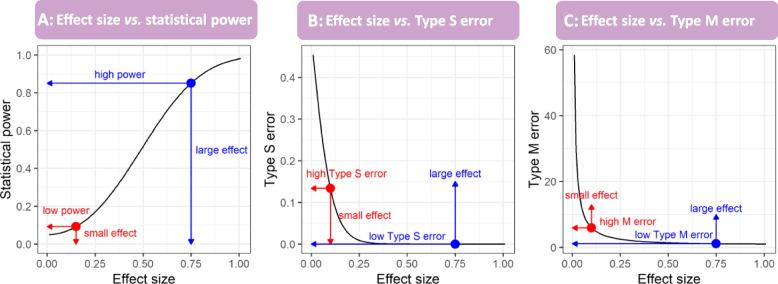
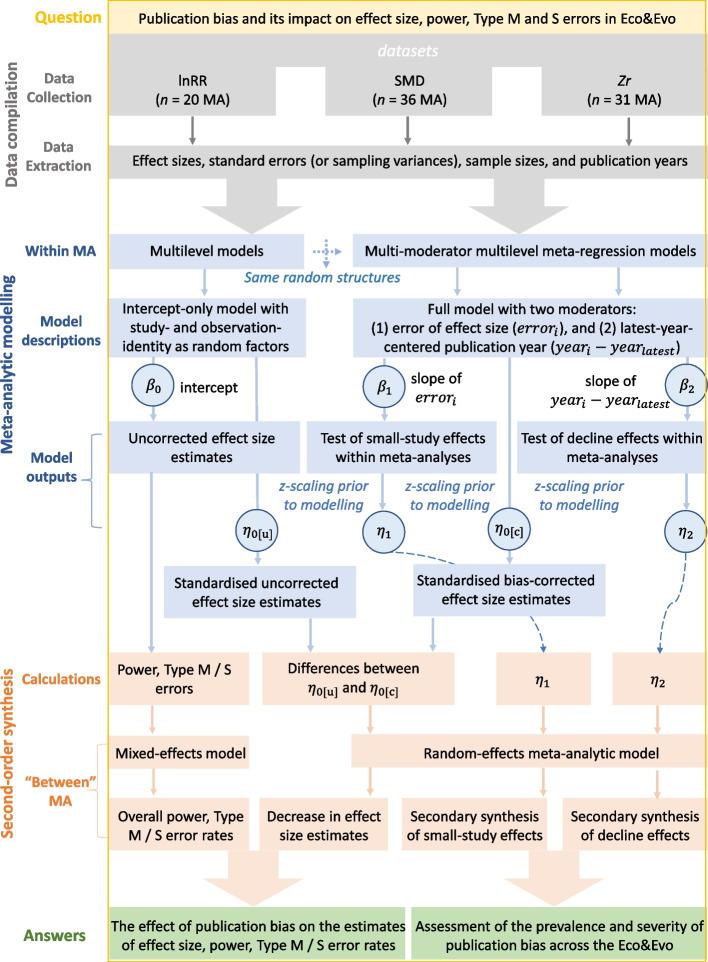
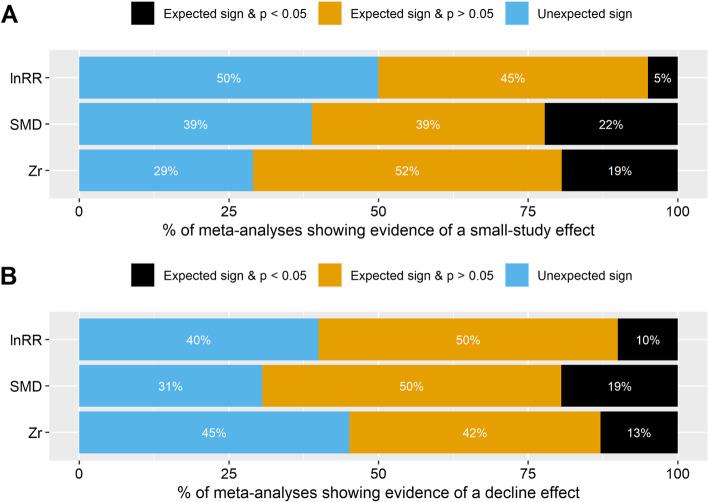
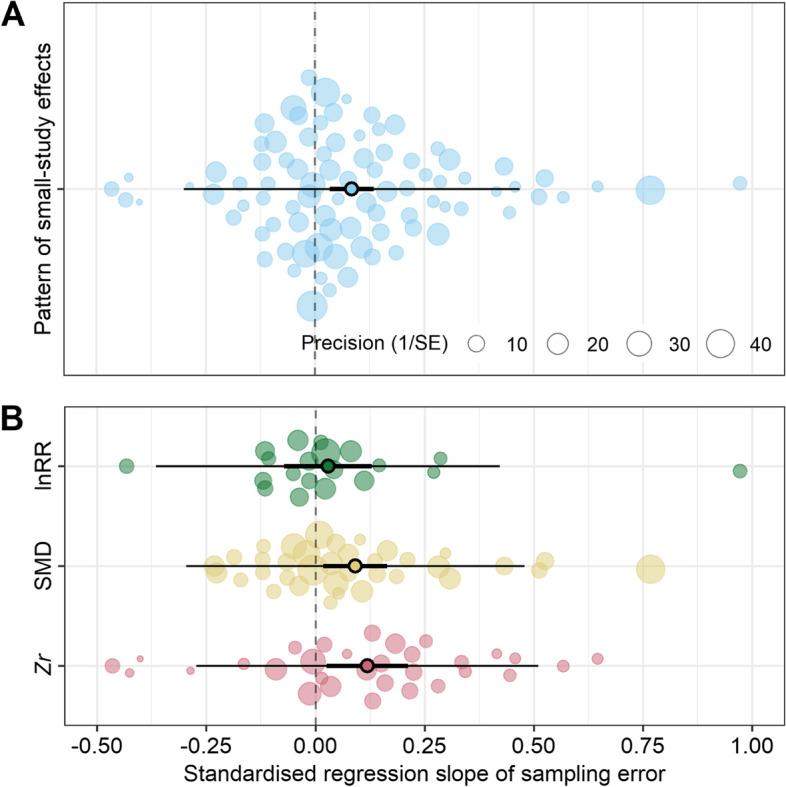
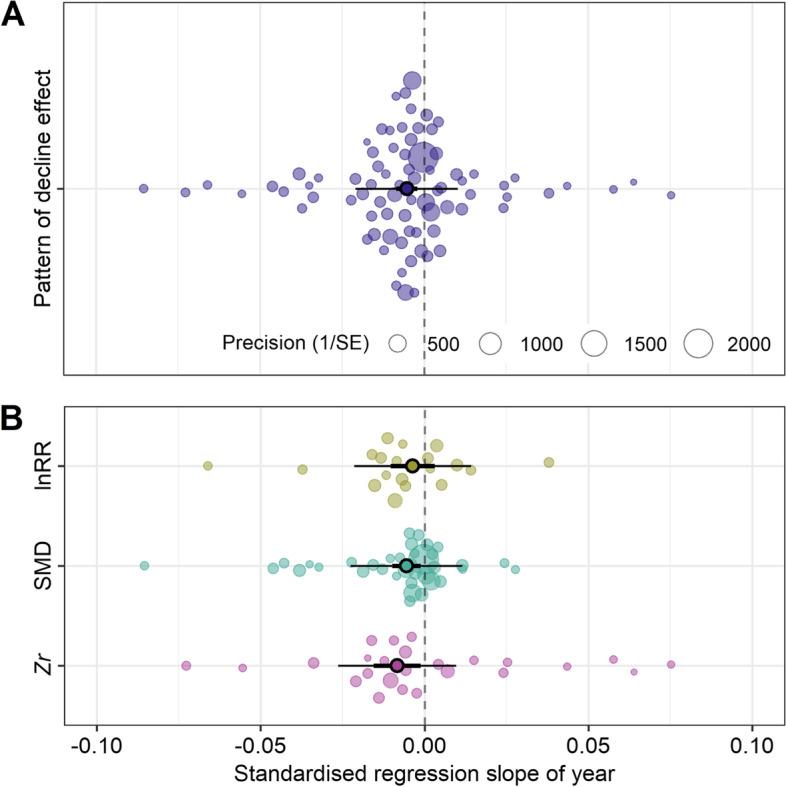
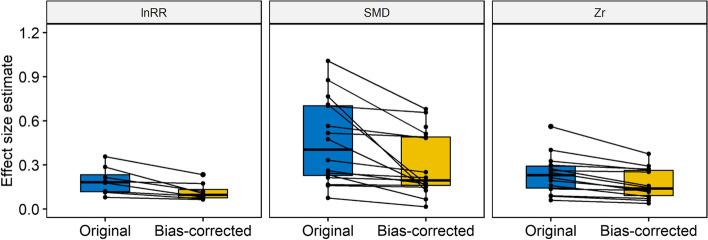
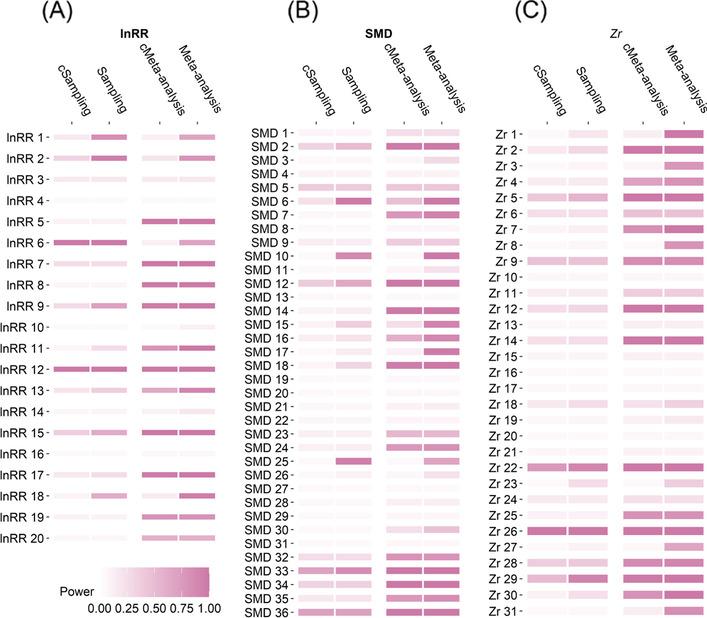
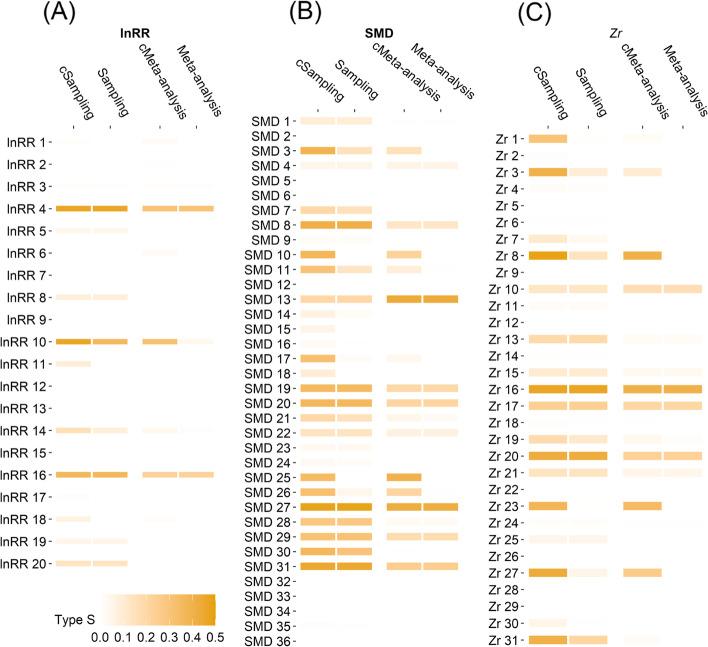
Collaborative efforts to directly replicate empirical studies in the medical and social sciences have revealed alarmingly low rates of replicability, a phenomenon dubbed the 'replication crisis'. Poor replicability has spurred cultural changes targeted at improving reliability in these disciplines. Given the absence of equivalent replication projects in ecology and evolutionary biology, two inter-related indicators offer the opportunity to retrospectively assess replicability: publication bias and statistical power. This registered report assesses the prevalence and severity of small-study (i.e., smaller studies reporting larger effect sizes) and decline effects (i.e., effect sizes decreasing over time) across ecology and evolutionary biology using 87 meta-analyses comprising 4,250 primary studies and 17,638 effect sizes. Further, we estimate how publication bias might distort the estimation of effect sizes, statistical power, and errors in magnitude (Type M or exaggeration ratio) and sign (Type S). We show strong evidence for the pervasiveness of both small-study and decline effects in ecology and evolution. There was widespread prevalence of publication bias that resulted in meta-analytic means being over-estimated by (at least) 0.12 standard deviations. The prevalence of publication bias distorted confidence in meta-analytic results, with 66% of initially statistically significant meta-analytic means becoming non-significant after correcting for publication bias. Ecological and evolutionary studies consistently had low statistical power (15%) with a 4-fold exaggeration of effects on average (Type M error rates = 4.4). Notably, publication bias reduced power from 23% to 15% and increased type M error rates from 2.7 to 4.4 because it creates a non-random sample of effect size evidence. The sign errors of effect sizes (Type S error) increased from 5% to 8% because of publication bias. Our research provides clear evidence that many published ecological and evolutionary findings are inflated. Our results highlight the importance of designing high-power empirical studies (e.g., via collaborative team science), promoting and encouraging replication studies, testing and correcting for publication bias in meta-analyses, and adopting open and transparent research practices, such as (pre)registration, data- and code-sharing, and transparent reporting.
协作努力直接复制医学和社会科学的实证研究,揭示了令人震惊的低可复制性,这种现象被称为“复制危机”。可复制性差促使文化发生变化,旨在提高这些学科的可靠性。鉴于生态学和进化生物学中没有等效的复制项目,两个相互关联的指标提供了回顾性评估可复制性的机会:发表偏倚和统计功效。本注册报告使用 87 项荟萃分析评估了生态学和进化生物学中小研究(即报告较大效应大小的较小研究)和下降效应(即随着时间推移效应大小减小)的普遍性和严重程度,这些荟萃分析包括 4250 项原始研究和 17638 个效应大小。此外,我们估计发表偏倚如何可能扭曲效应大小、统计功效以及幅度误差(类型 M 或夸大比)和符号误差(类型 S)的估计。我们有强有力的证据表明,小研究和下降效应在生态学和进化中普遍存在。发表偏倚的普遍存在导致荟萃分析平均值至少高估了 0.12 个标准差。发表偏倚的普遍性使得荟萃分析结果的置信度受到干扰,在纠正发表偏倚后,66%的初始具有统计学意义的荟萃分析平均值变得不显著。生态学和进化研究的统计功效一直很低(15%),平均效果夸大了 4 倍(类型 M 误差率=4.4)。值得注意的是,发表偏倚将功效从 23%降低到 15%,并将类型 M 误差率从 2.7 增加到 4.4,因为它创建了一个非随机的效应大小证据样本。由于发表偏倚,效应大小的符号误差(类型 S 误差)从 5%增加到 8%。我们的研究提供了明确的证据,表明许多已发表的生态学和进化发现是夸大的。我们的结果强调了设计高功效实证研究(例如,通过合作团队科学)、促进和鼓励复制研究、在荟萃分析中测试和纠正发表偏倚以及采用开放透明的研究实践(例如预注册、数据和代码共享以及透明报告)的重要性。
 Zotero 插件