
为期 12 周的沙滩运动训练计划对伴有神经病变的 2 型糖尿病患者的神经力学和功能参数的影响。
The Effects of a 12-Week-Long Sand Exercise Training Program on Neuromechanical and Functional Parameters in Type II Diabetic Patients with Neuropathy.
机构信息
Doctoral School of Health Sciences, Faculty of Health Sciences, University of Pécs, 7621 Pécs, Hungary.
Institute of Sport Sciences and Physical Education, Faculty of Sciences, University of Pécs, 7624 Pécs, Hungary.
出版信息
Int J Environ Res Public Health. 2023 Apr 5;20(7):5413. doi: 10.3390/ijerph20075413.
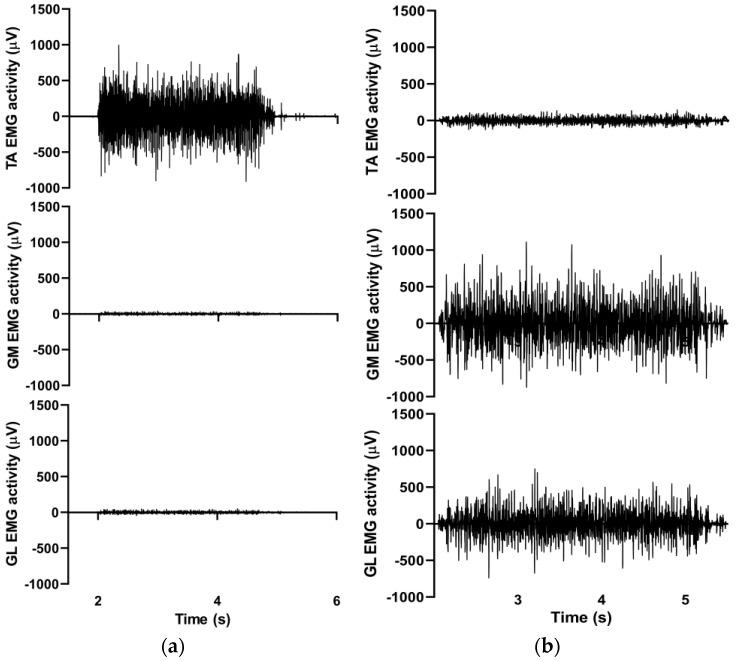
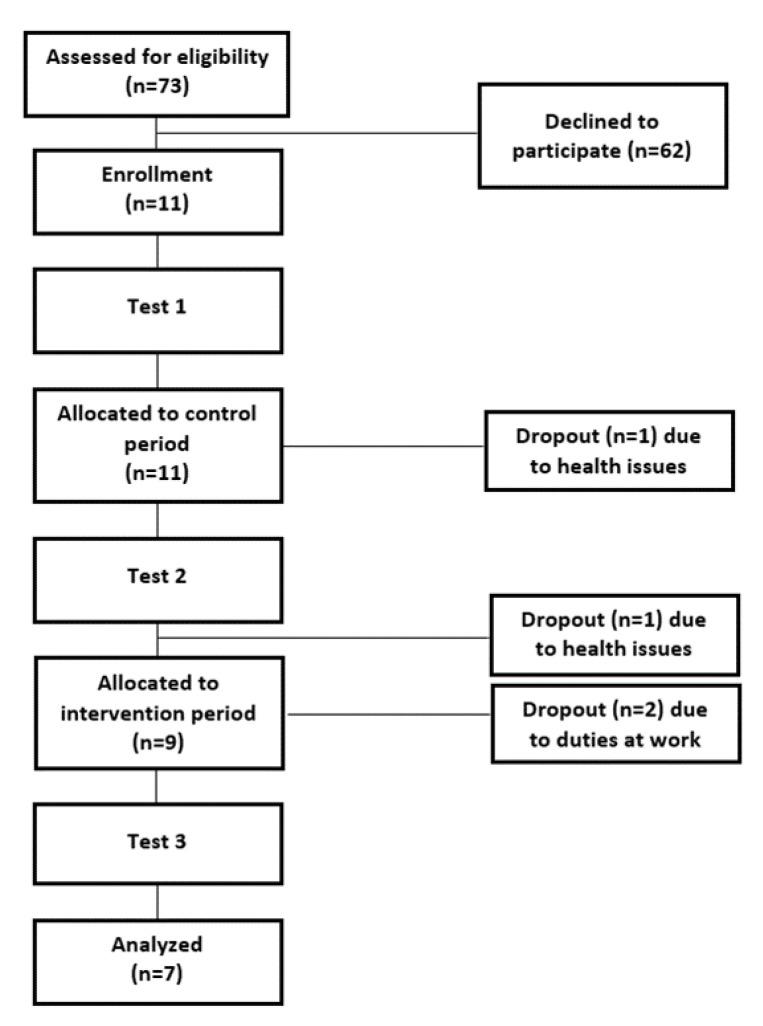
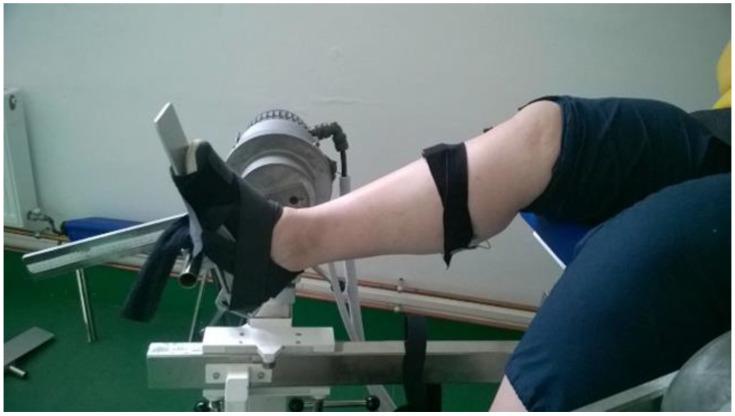
Studies have proven the effectiveness of different weight-bearing exercise interventions for diabetic patients with neuropathy; however, several adverse effects were reported using solid surfaces. Thus, in the present study, we investigated the effects of a novel sand exercise training intervention on biomechanical and functional parameters in seven diabetic patients (age = 62.7 ± 9.7 years) with neuropathy. Patients underwent a 12-week sand exercise training program, using strengthening, stretching, balance, and gait exercises. They were tested for ankle plantar- and dorsiflexion peak torque, active range of motion (ROM), timed up and go (TUG), and bilateral static balance. EMG activity of tibialis anterior (TA), gastrocnemius medialis (GM), and lateralis (GL) muscles were measured during unilateral isometric contraction in plantar- and dorsiflexion. In the intervention period, plantarflexion peak torque improved significantly ( = 0.033), while dorsiflexion torque remained unchanged. Plantar- and dorsiflexion ROM increased ( = 0.032) and ( = 0.021), respectively. EMG activity of GM ( = 0.005) and GL ( = 0.002) measured during dorsiflexion and postural sway in the balance test, as well as time to complete the TUG test, decreased significantly ( = 0.021) and ( = 0.002), respectively. No adverse effect was reported during the intervention period. We concluded that sand exercise training can be a safe and effective method to improve plantarflexion strength, ankle flexibility, and balance, which is reflected in better gait function in patients with diabetic peripheral neuropathy (DPN).
研究已经证明了不同负重运动干预对糖尿病神经病变患者的有效性;然而,使用固体表面时,也报告了一些不良反应。因此,在本研究中,我们调查了一种新型沙运动训练干预对 7 名糖尿病神经病变患者(年龄=62.7±9.7 岁)的生物力学和功能参数的影响。患者接受了为期 12 周的沙运动训练计划,包括强化、伸展、平衡和步态训练。他们接受了踝关节跖屈和背屈峰值扭矩、主动活动范围(ROM)、计时起立行走(TUG)和双侧静态平衡测试。在单侧等长收缩时,测量胫骨前肌(TA)、腓肠肌内侧(GM)和外侧(GL)肌肉的肌电图活动。在干预期间,跖屈峰值扭矩显著改善(=0.033),而背屈扭矩保持不变。跖屈和背屈 ROM 分别增加(=0.032)和(=0.021)。在背屈和平衡测试中的姿势摆动期间测量的 GM(=0.005)和 GL(=0.002)的肌电图活动以及完成 TUG 测试的时间显著减少(=0.021)和(=0.002)。在干预期间没有报告不良反应。我们得出结论,沙运动训练可以是一种安全有效的方法,以改善糖尿病周围神经病变(DPN)患者的跖屈力量、踝关节灵活性和平衡,这反映在更好的步态功能上。
 Zotero 插件