
聚乙二醇化脂质纳米颗粒制剂:免疫安全性和效率视角。
PEGylated Lipid Nanoparticle Formulations: Immunological Safety and Efficiency Perspective.
机构信息
CAS, a division of the American Chemical Society, 2540 Olentangy River Road, Columbus, Ohio 43202, United States.
出版信息
Bioconjug Chem. 2023 Jun 21;34(6):941-960. doi: 10.1021/acs.bioconjchem.3c00174. Epub 2023 May 10.
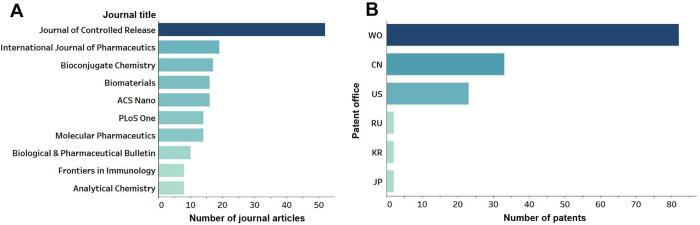
Lipid nanoparticles (LNPs) have been recognized as efficient vehicles to transport a large variety of therapeutics. Currently in the spotlight as important constituents of the COVID-19 mRNA vaccines, LNPs play a significant role in protecting and transporting mRNA to cells. As one of their key constituents, polyethylene glycol (PEG)-lipid conjugates are important in defining LNP physicochemical characteristics and biological activity. PEGylation has proven particularly efficient in conferring longer systemic circulation of LNPs, thus greatly improving their pharmacokinetics and efficiency. Along with revealing the benefits of PEG conjugates, studies have revealed unexpected immune reactions against PEGylated nanocarriers such as accelerated blood clearance (ABC), involving the production of anti-PEG antibodies at initial injection, which initiates accelerated blood clearance upon subsequent injections, as well as a hypersensitivity reaction referred to as complement activation-related pseudoallergy (CARPA). Further, data have been accumulated indicating consistent yet sometimes controversial correlations between various structural parameters of the PEG-lipids, the properties of the PEGylated LNPs, and the magnitude of the observed adverse effects. Detailed knowledge and comprehension of such correlations are of foremost importance in the efforts to diminish and eliminate the undesirable immune reactions and improve the safety and efficiency of the PEGylated medicines. Here, we present an overview based on analysis of data from the CAS Content Collection regarding the PEGylated LNP immunogenicity and overall safety concerns. A comprehensive summary has been compiled outlining how various structural parameters of the PEG-lipids affect the immune responses and activities of the LNPs, with regards to their efficiency in drug delivery. This Review is thus intended to serve as a helpful resource in understanding the current knowledge in the field, in an effort to further solve the remaining challenges and to achieve full potential.
脂质纳米颗粒 (LNPs) 已被认为是输送多种治疗药物的有效载体。目前作为 COVID-19 mRNA 疫苗的重要组成部分备受关注,LNPs 在保护和将 mRNA 递送到细胞中发挥着重要作用。作为其关键成分之一,聚乙二醇 (PEG)-脂质缀合物对于定义 LNP 的物理化学特性和生物活性非常重要。PEG 化已被证明在赋予 LNP 更长的系统循环方面特别有效,从而大大改善了它们的药代动力学和效率。随着对 PEG 缀合物益处的揭示,研究揭示了针对 PEG 化纳米载体的意外免疫反应,例如加速血液清除 (ABC),涉及在初次注射时产生抗 PEG 抗体,这会导致在随后的注射中加速血液清除,以及一种称为补体激活相关假性过敏 (CARPA) 的过敏反应。此外,数据积累表明,PEG-脂质的各种结构参数、PEG 化 LNP 的特性以及观察到的不良反应的程度之间存在一致但有时存在争议的相关性。详细了解这些相关性对于减少和消除不良免疫反应以及提高 PEG 化药物的安全性和效率至关重要。在这里,我们根据 CAS 内容收集的数据进行分析,概述了 PEG 化 LNP 的免疫原性和总体安全性问题。我们综合概述了 PEG-脂质的各种结构参数如何影响 LNPs 的免疫反应和活性,以及它们在药物递送方面的效率。因此,本综述旨在作为理解该领域当前知识的有用资源,努力进一步解决剩余的挑战并发挥其全部潜力。



 Zotero 插件