
肾结石病的代谢变化。
Metabolic changes in kidney stone disease.
机构信息
Department of Urology, Zhongnan Hospital of Wuhan University, Wuhan, China.
Department of Urology, Tongji Hospital, Tongji Medical College, Huazhong University of Science and Technology, Wuhan, China.
出版信息
Front Immunol. 2023 May 9;14:1142207. doi: 10.3389/fimmu.2023.1142207. eCollection 2023.
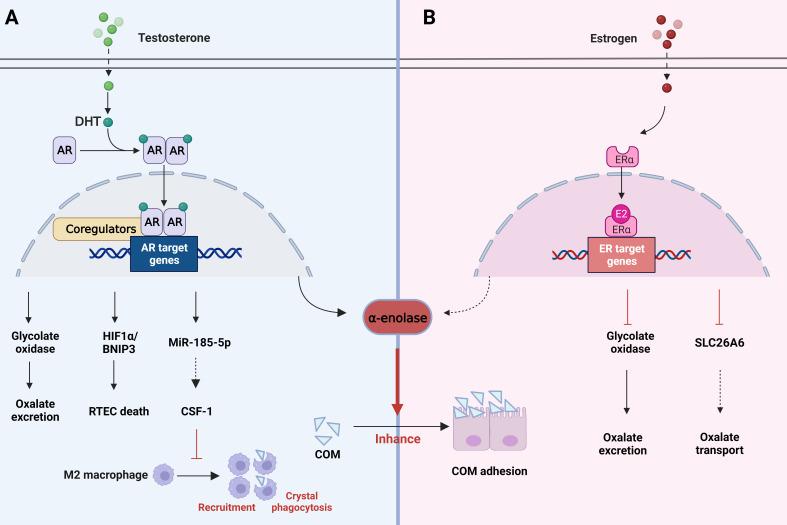
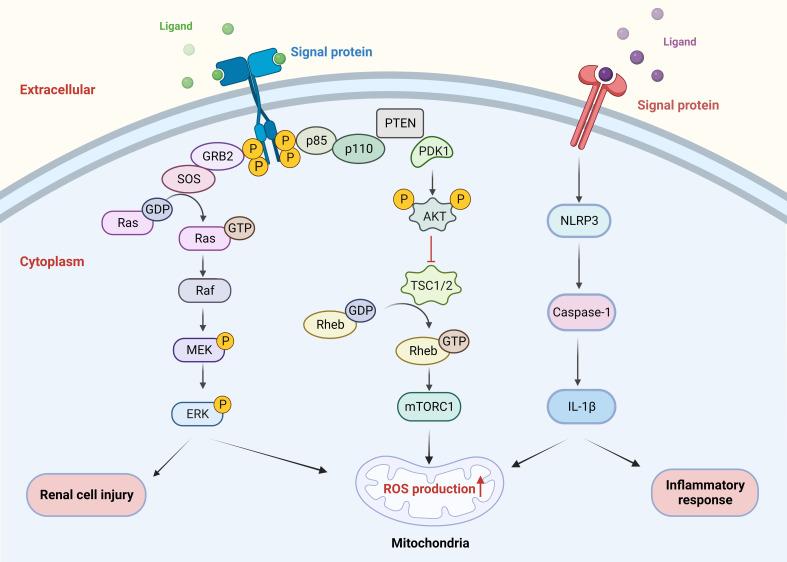
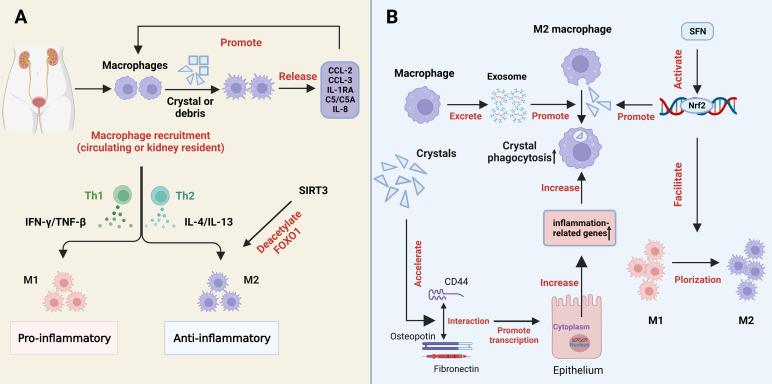
Kidney stone disease (KSD) is one of the earliest medical diseases known, but the mechanism of its formation and metabolic changes remain unclear. The formation of kidney stones is a extensive and complicated process, which is regulated by metabolic changes in various substances. In this manuscript, we summarized the progress of research on metabolic changes in kidney stone disease and discuss the valuable role of some new potential targets. We reviewed the influence of metabolism of some common substances on stone formation, such as the regulation of oxalate, the release of reactive oxygen species (ROS), macrophage polarization, the levels of hormones, and the alternation of other substances. New insights into changes in substance metabolism changes in kidney stone disease, as well as emerging research techniques, will provide new directions in the treatment of stones. Reviewing the great progress that has been made in this field will help to improve the understanding by urologists, nephrologists, and health care providers of the metabolic changes in kidney stone disease, and contribute to explore new metabolic targets for clinical therapy.
肾结石病(KSD)是最早被发现的医学疾病之一,但结石形成的机制和代谢变化仍不清楚。肾结石的形成是一个广泛而复杂的过程,受各种物质代谢变化的调节。在本手稿中,我们总结了肾结石病代谢变化研究的进展,并讨论了一些新的潜在靶点的有价值作用。我们综述了一些常见物质的代谢对结石形成的影响,如草酸盐的调节、活性氧(ROS)的释放、巨噬细胞极化、激素水平以及其他物质的变化。对肾结石病物质代谢变化的新认识,以及新兴的研究技术,将为结石的治疗提供新的方向。回顾该领域取得的巨大进展,将有助于泌尿科医生、肾病学家和医疗保健提供者更好地了解肾结石病的代谢变化,并有助于探索临床治疗的新代谢靶点。

 Zotero 插件