
人羊膜(hAM)在药物相关性颌骨坏死(MRONJ)治疗策略中的应用:文献的系统评价和荟萃分析。
The Use of Human Amniotic Membrane (hAM) as a Treatment Strategy of Medication-Related Osteonecrosis of the Jaw (MRONJ): A Systematic Review and Meta-Analysis of the Literature.
机构信息
Oral Surgery Department, School of Medical Sciences, Division of Dentistry, The University of Manchester, Manchester M13 9PL, UK.
FACOP-Faculdade do Centro Oeste Paulista, Dental School, Oral Surgery Department, Bauru 17499-010, Brazil.
出版信息
Medicina (Kaunas). 2023 May 17;59(5):968. doi: 10.3390/medicina59050968.
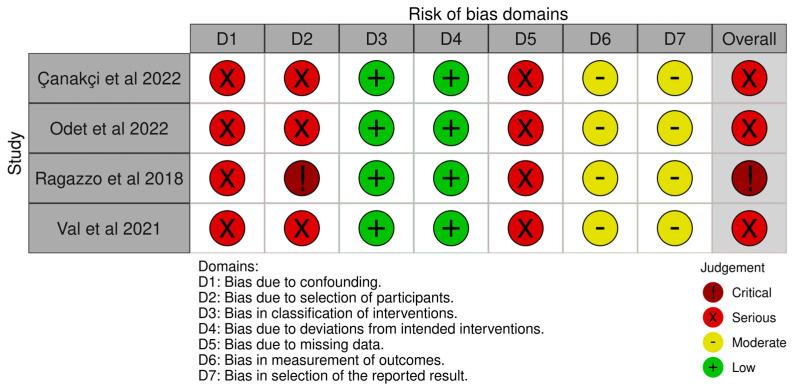
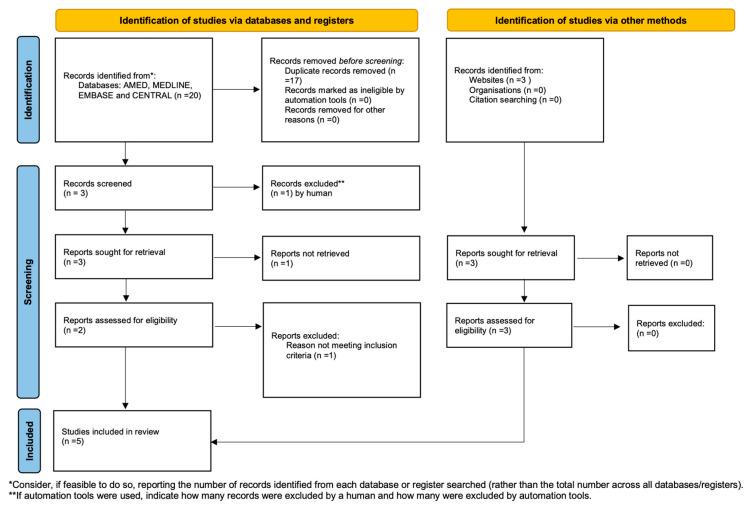
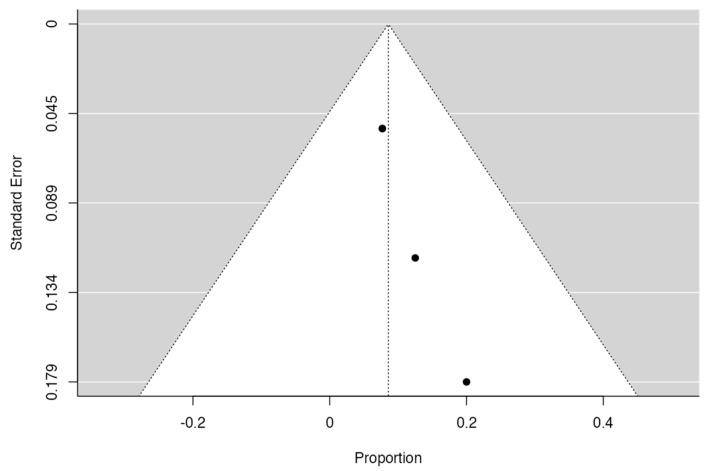
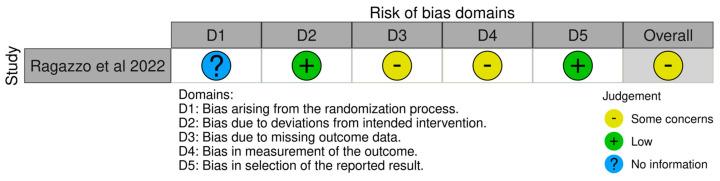
: Although it is very uncommon, medication-induced osteonecrosis of the jaw (also known as MRONJ) can have serious consequences. Traditionally, this adverse event has been recognised in patients who were treated with bisphosphonate (BP) drugs. Nevertheless, in recent years, it has been established that individuals having treatment with various types of medications, such as a receptor activator of nuclear factor kappa-Β ligand inhibitor (denosumab) and antiangiogenic agents, have had the same issue. The purpose of this research is to determine if the application of human amniotic membrane (hAM) may be used as a therapy for MRONJ. : A multi-source database (MEDLINE, EMBASE, AMED, and CENTRAL) systematic search was performed. The major objective of this study is to obtain an understanding of the efficacy of hAM when it is employed as a treatment modality for MRONJ. The protocol of this review was registered in the INPLASY register under the number NPLASY202330010. : The authors were able to include a total of five studies for the quality analysis, whereas for the quantity evaluation, only four studies were eligible. A total of 91 patients were considered for the investigation. After treatment with human amniotic membrane (hAM), a recurrence of osteonecrosis was observed in n = 6 cases (8.8%). The combined efficacy of surgical therapy and the use of hAM resulted in an overall success rate of 91.2%. Intraoperative complications were only documented in one article, and they were mostly caused by the positioning of the hAM, which led to wound breakdown at the surgical site. Based on the small amount of data and low-quality research included in this study, using human amniotic membranes to treat MRONJ might represent a feasible option. Nevertheless, further studies with a wider patient population are required to understand the long-term impacts.
虽然非常罕见,但药物引起的下颌骨坏死(也称为 MRONJ)可能会产生严重的后果。传统上,这种不良反应发生在接受双膦酸盐(BP)药物治疗的患者中。然而,近年来,已经确定接受各种类型药物治疗的患者也存在同样的问题,如核因子 κB 配体抑制剂(地舒单抗)和抗血管生成剂。本研究旨在确定人羊膜(hAM)的应用是否可作为 MRONJ 的治疗方法。
进行了多源数据库(MEDLINE、EMBASE、AMED 和 CENTRAL)系统搜索。本研究的主要目的是了解 hAM 作为 MRONJ 治疗方法的疗效。本综述的方案已在 INPLASY 注册处注册,编号为 NPLASY202330010。
作者总共能够纳入五项研究进行质量分析,而对于数量评估,只有四项研究符合条件。共有 91 名患者被纳入研究。在接受人羊膜(hAM)治疗后,有 6 例(8.8%)出现骨坏死复发。手术治疗联合使用 hAM 的总有效率为 91.2%。只有一篇文章记录了术中并发症,主要是由于 hAM 的定位导致手术部位的伤口破裂。
基于本研究中包含的少量数据和低质量研究,使用人羊膜治疗 MRONJ 可能是一种可行的选择。然而,需要更多具有更广泛患者人群的研究来了解长期影响。

 Zotero 插件