
生物质基硬碳钠离子电池负极材料
Hard-Carbon Negative Electrodes from Biomasses for Sodium-Ion Batteries.
机构信息
College of Marine Equipment and Mechanical Engineering, Xiamen Key Lab of Marine Corrosion and Smart Protective Materials, Jimei University, Xiamen 361021, China.
School of Energy and Chemical Engineering, Xiamen University Malaysia, Sepang 43900, Malaysia.
出版信息
Molecules. 2023 May 11;28(10):4027. doi: 10.3390/molecules28104027.
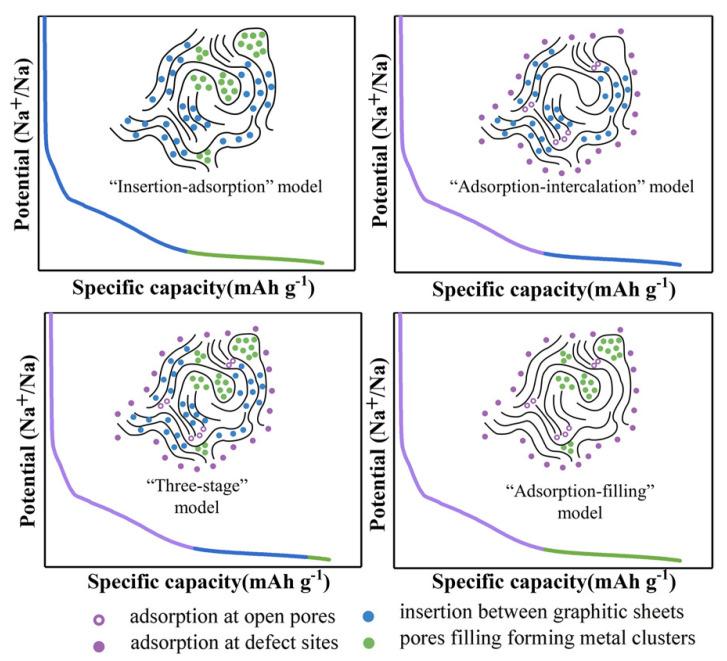
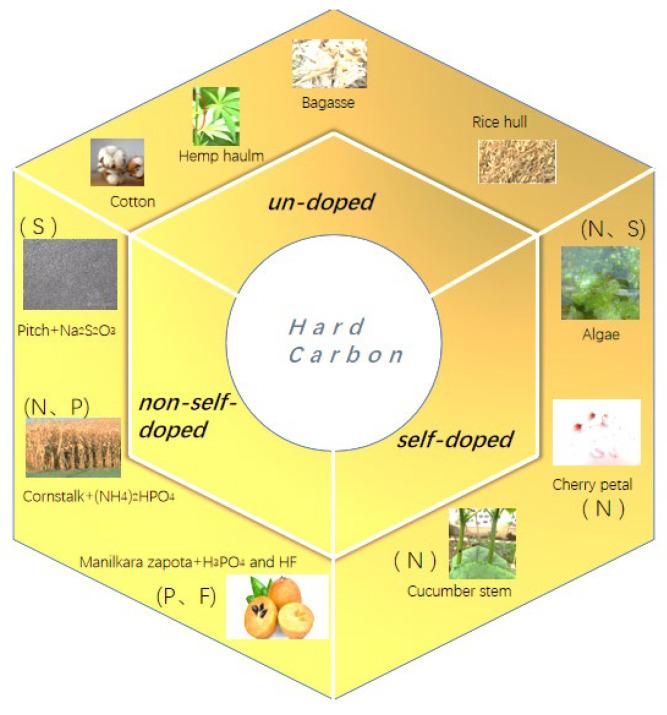
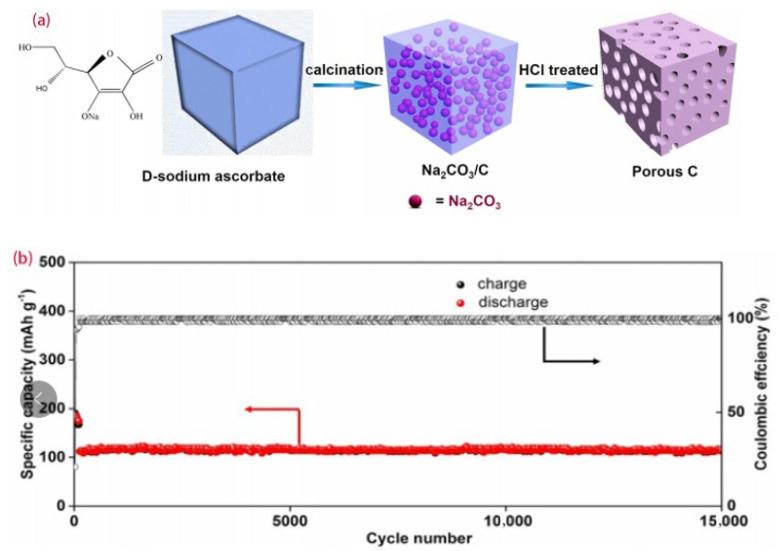
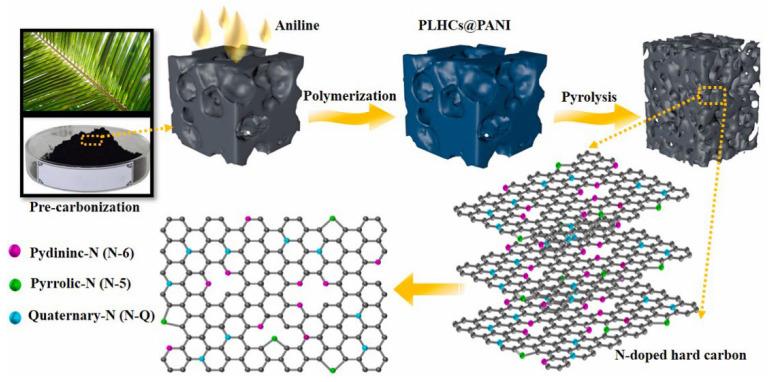
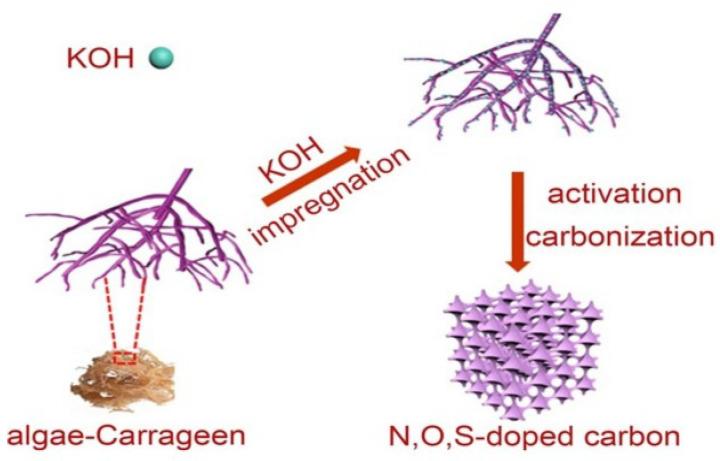
With the development of high-performance electrode materials, sodium-ion batteries have been extensively studied and could potentially be applied in various fields to replace the lithium-ion cells, owing to the low cost and natural abundance. As the key anode materials of sodium-ion batteries, hard carbons still face problems, such as poor cycling performance and low initial Coulombic efficiency. Owning to the low synthesis cost and the natural presence of heteroatoms of biomasses, biomasses have positive implications for synthesizing the hard carbons for sodium-ion batteries. This minireview mainly explains the research progress of biomasses used as the precursors to prepare the hard-carbon materials. The storage mechanism of hard carbons, comparisons of the structural properties of hard carbons prepared from different biomasses, and the influence of the preparation conditions on the electrochemical properties of hard carbons are introduced. In addition, the effect of doping atoms is also summarized to provide an in-depth understanding and guidance for the design of high-performance hard carbons for sodium-ion batteries.
随着高性能电极材料的发展,钠离子电池得到了广泛的研究,并有可能在各个领域取代锂离子电池,因为其成本低且自然资源丰富。作为钠离子电池的关键阳极材料,硬碳仍然存在一些问题,如循环性能差和初始库仑效率低。由于生物质具有较低的合成成本和天然存在的杂原子,因此生物质对于合成用于钠离子电池的硬碳具有积极意义。本综述主要介绍了将生物质作为前驱体制备硬碳材料的研究进展。介绍了硬碳的储锂机制,不同生物质制备的硬碳的结构性能比较,以及制备条件对硬碳电化学性能的影响。此外,还总结了掺杂原子的作用,为设计高性能钠离子电池用硬碳提供了更深入的理解和指导。
 Zotero 插件