
网络药理学和分子对接揭示大黄牡丹汤治疗溃疡性结肠炎和肠易激综合征的免疫调节机制。
Network pharmacology and molecular docking reveal the immunomodulatory mechanism of rhubarb peony decoction for the treatment of ulcerative colitis and irritable bowel syndrome.
机构信息
Graduate School, Xinjiang Medical University, Urumqi, China.
Department of Gastroenterology, The First Affiliated Hospital of Xinjiang Medical University, Urumqi, China.
出版信息
J Pharm Pharm Sci. 2023 May 25;26:11225. doi: 10.3389/jpps.2023.11225. eCollection 2023.
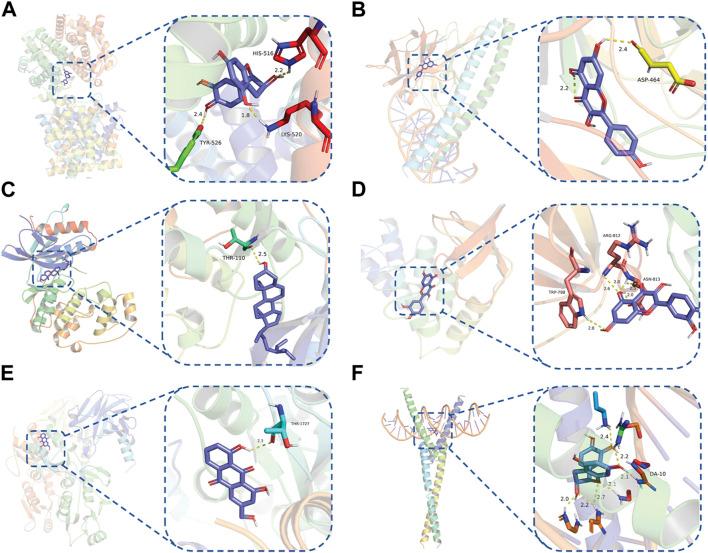
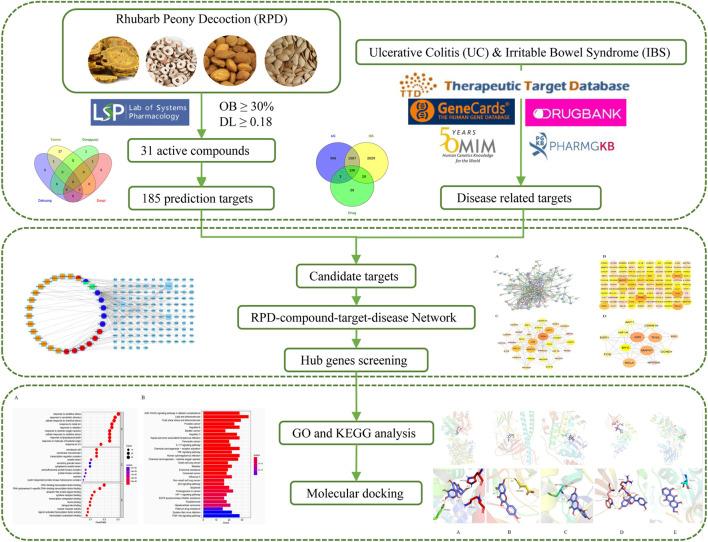
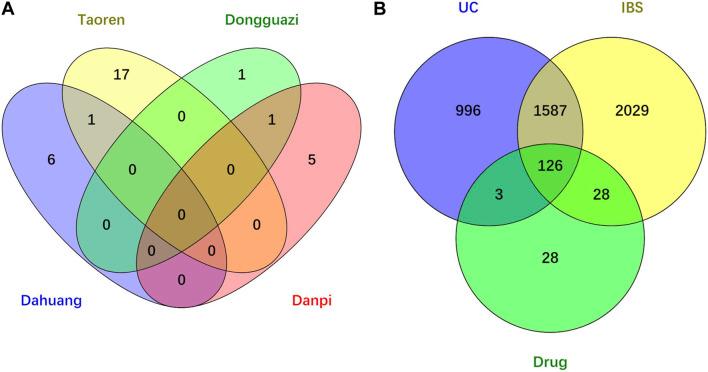
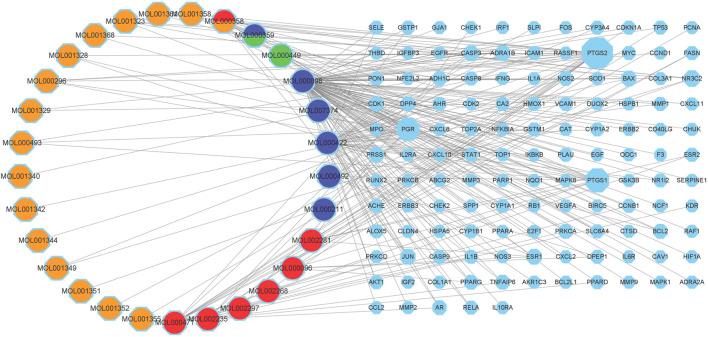
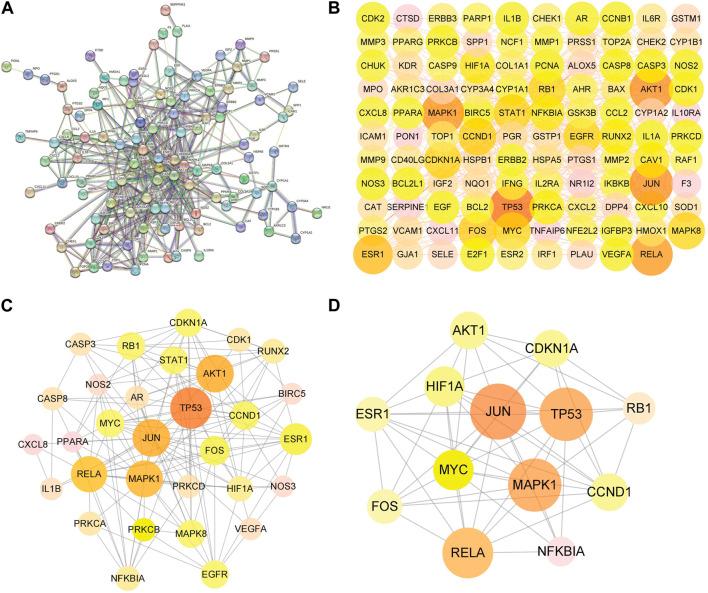
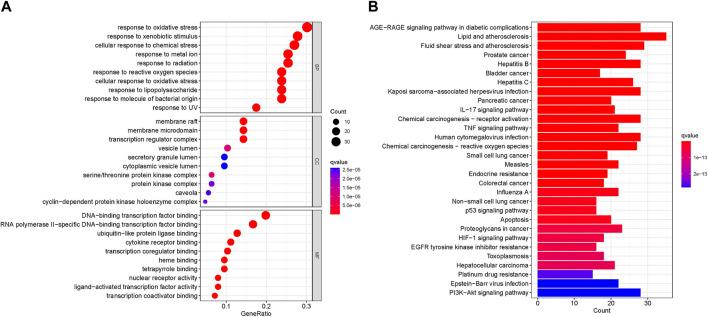
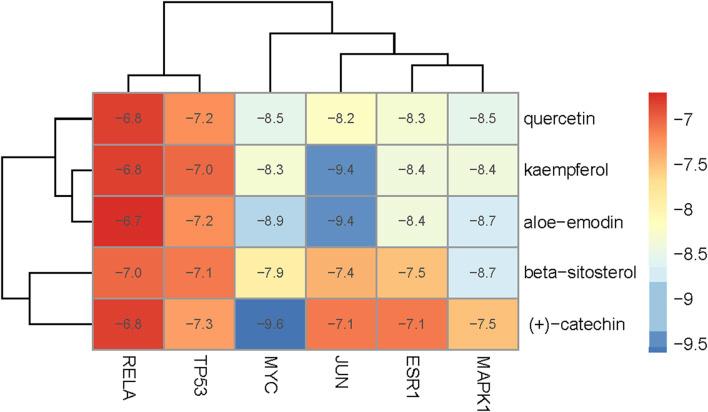
Ulcerative colitis (UC) and irritable bowel syndrome (IBS) share various similarities in clinical symptoms, pathogenesis, and treatment. UC concurrent IBS tends toward more severe symptoms and worse prognosis, and promising feasible therapies for the overlapping symptoms remains a challenge. Rhubarb peony decoction (RPD) is a well-known traditional Chinese medicine that has been widely applied in treating UC. RPD may exert extensive therapeutic effects on both IBS and UC. However, the common mechanism of its treatment remains unclear. We aimed to assess the potential pharmacological mechanism of RPD in the treatment of overlapping IBS and UC. The active components and targets of RPD were retrieved from ETCM, TCMSP, BATMAN-TCM, and TCM databases. The disease targets were screened by searching the DrugBank, OMIM, TTD, and PharmGKB databases. PPI network analysis was performed and visualized via the STRING platform and Cytoscape software. GO and KEGG enrichment analyses of the hub genes of RPD were predicted to elucidate the potential molecular mechanism. Subsequently, molecular docking was carried out to verify the combination of active compounds with core targets. By integrating all targets of RPD and disease, a total of 31 bioactive ingredients were identified including quercetin, kaempferol, aloe-emodin, beta-sitosterol, and (+)-catechin, etc. JUN, TP53, MAPK1, RELA, MYC, and ESR1 were explored as potential therapeutic targets among 126 common drug-disease-related targets. They were enriched in the AGE-RAGE signaling pathway in diabetic complications, as well as the NF-kappa B signaling pathway and MAPK signaling pathway. Additionally, some active ingredients were identified as candidates for binding to the hub targets via molecular docking, further suggesting their anti-inflammatory and antioxidative properties. RPD may exert the overall treatment effect for UC and IBS overlap syndrome via the biological mechanism of "multi-ingredients, multi-targets, and multi-pathways" on inflammation, oxidative stress, immune, oncogenicity, and gut microbiota dysbiosis.
溃疡性结肠炎(UC)和肠易激综合征(IBS)在临床症状、发病机制和治疗方面有诸多相似之处。UC 合并 IBS 往往症状更严重,预后更差,对于重叠症状的有前景的可行治疗方法仍然是一个挑战。大黄牡丹汤(RPD)是一种著名的中药,已广泛应用于治疗 UC。RPD 可能对 IBS 和 UC 都有广泛的治疗作用。然而,其治疗的共同机制尚不清楚。我们旨在评估 RPD 治疗重叠 IBS 和 UC 的潜在药理学机制。从 ETCM、TCMSP、BATMAN-TCM 和 TCM 数据库中检索 RPD 的活性成分和靶点。通过检索 DrugBank、OMIM、TTD 和 PharmGKB 数据库筛选疾病靶点。通过 STRING 平台和 Cytoscape 软件进行 PPI 网络分析并可视化。预测 RPD 核心基因的 GO 和 KEGG 富集分析,以阐明潜在的分子机制。随后,进行分子对接以验证活性化合物与核心靶标的结合。通过整合 RPD 和疾病的所有靶点,共鉴定出 31 种生物活性成分,包括槲皮素、山奈酚、大黄素、β-谷甾醇和(+)-儿茶素等。在 126 个常见药物-疾病相关靶点中,JUN、TP53、MAPK1、RELA、MYC 和 ESR1 被探索为潜在的治疗靶点。它们富集在糖尿病并发症的 AGE-RAGE 信号通路以及 NF-kappa B 信号通路和 MAPK 信号通路中。此外,通过分子对接鉴定出一些活性成分可能是与核心靶点结合的候选物,进一步表明其具有抗炎和抗氧化作用。RPD 可能通过“多成分、多靶点、多途径”的生物学机制对炎症、氧化应激、免疫、致癌性和肠道微生物失调发挥 UC 和 IBS 重叠综合征的整体治疗作用。
 Zotero 插件