
局部 γδ T 细胞:在癌症免疫治疗中实现从承诺到实践。
Local γδ T cells: translating promise to practice in cancer immunotherapy.
机构信息
Peter Gorer Department of Immunobiology, King's College London, London, SE1 9RT, UK.
Centre for Inflammation Biology and Cancer Immunology, King's College London, London, SE1 9RT, UK.
出版信息
Br J Cancer. 2023 Aug;129(3):393-405. doi: 10.1038/s41416-023-02303-0. Epub 2023 Jun 13.
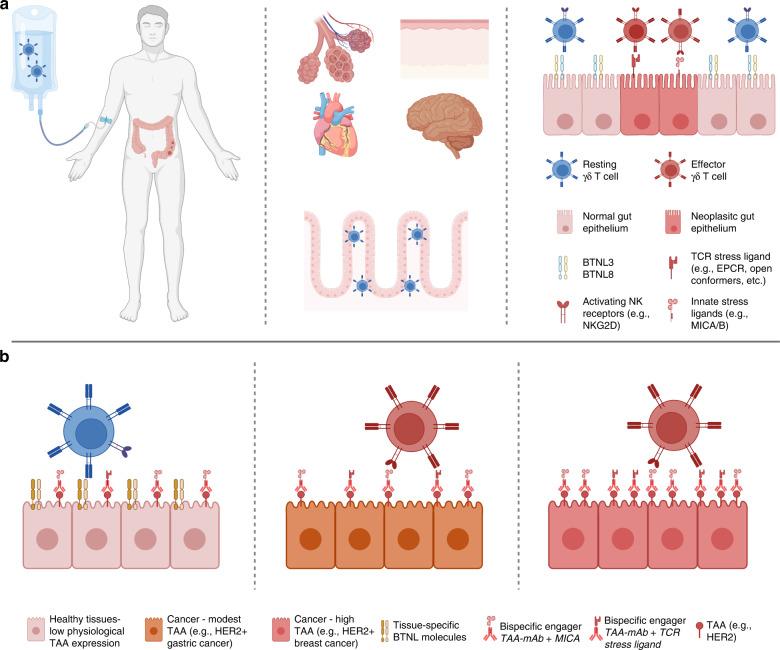
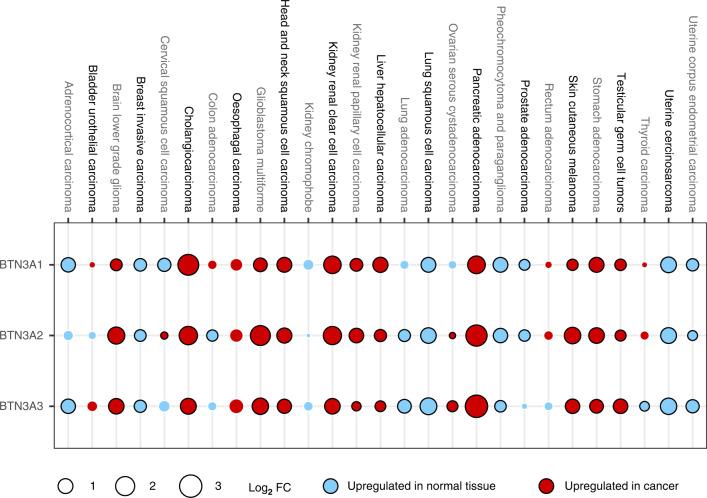
Rapid bench-to-bedside translation of basic immunology to cancer immunotherapy has revolutionised the clinical practice of oncology over the last decade. Immune checkpoint inhibitors targeting αβ T cells now offer durable remissions and even cures for some patients with hitherto treatment-refractory metastatic cancers. Unfortunately, these treatments only benefit a minority of patients and efforts to improve efficacy through combination therapies utilising αβ T cells have seen diminishing returns. Alongside αβ T cells and B cells, γδ T cells are a third lineage of adaptive lymphocytes. Less is known about these cells, and they remain relatively untested in cancer immunotherapy. Whilst preclinical evidence supports their utility, the few early-phase trials involving γδ T cells have failed to demonstrate convincing efficacy in solid cancers. Here we review recent progress in our understanding of how these cells are regulated, especially locally within tissues, and the potential for translation. In particular, we focus on the latest advances in the field of butyrophilin (BTN) and BTN-like (BTNL) regulation of γδ T cells and speculate on how these advances may address the limitations of historical approaches in utilising these cells, as well as how they may inform novel approaches in deploying these cells for cancer immunotherapy.
在过去的十年中,基础免疫学向癌症免疫治疗的快速转化彻底改变了肿瘤学的临床实践。针对αβ T 细胞的免疫检查点抑制剂为目前尚无有效治疗方法的转移性癌症患者提供了持久的缓解,甚至治愈。不幸的是,这些治疗方法仅使少数患者受益,并且通过利用αβ T 细胞的联合治疗来提高疗效的努力已收效甚微。除了αβ T 细胞和 B 细胞外,γδ T 细胞是适应性淋巴细胞的第三系。人们对这些细胞的了解较少,它们在癌症免疫治疗中的应用仍未经充分检验。虽然临床前证据支持其应用,但少数涉及γδ T 细胞的早期临床试验未能在实体瘤中证明其疗效令人信服。在这里,我们回顾了对这些细胞的调节方式的最新进展,特别是在组织内局部的调节方式,以及转化的潜力。特别是,我们重点介绍了 BTN 和 BTNL 调节γδ T 细胞领域的最新进展,并推测这些进展如何解决利用这些细胞的历史方法的局限性,以及它们如何为利用这些细胞进行癌症免疫治疗的新方法提供信息。
 Zotero 插件