
性别、脓毒症与大脑:定义感染后神经认知结果的性别二态性作用。
Sex, sepsis and the brain: defining the role of sexual dimorphism on neurocognitive outcomes after infection.
机构信息
Department of Surgery and Sepsis and Critical Illness Research Center, University of Florida College of Medicine, Gainesville, Florida, U.S.A.
Department of Neurology, University of Florida College of Medicine, Gainesville, Florida, U.S.A.
出版信息
Clin Sci (Lond). 2023 Jun 28;137(12):963-978. doi: 10.1042/CS20220555.
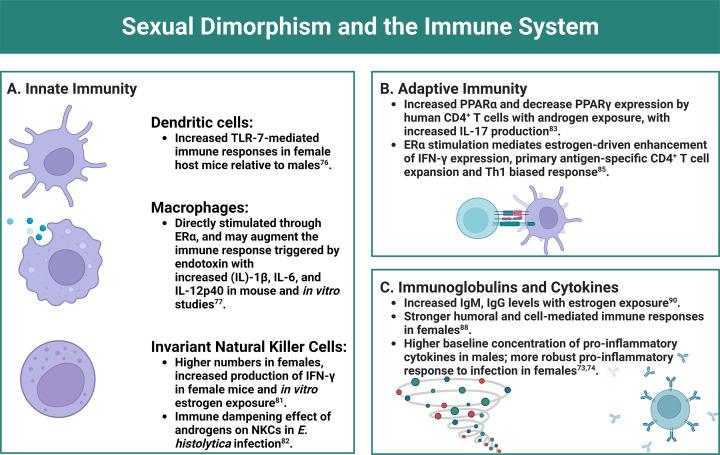
Sexual dimorphisms exist in multiple domains, from learning and memory to neurocognitive disease, and even in the immune system. Male sex has been associated with increased susceptibility to infection, as well as increased risk of adverse outcomes. Sepsis remains a major source of morbidity and mortality globally, and over half of septic patients admitted to intensive care are believed to suffer some degree of sepsis-associated encephalopathy (SAE). In the short term, SAE is associated with an increased risk of in-hospital mortality, and in the long term, has the potential for significant impairment of cognition, memory, and acceleration of neurocognitive disease. Despite increasing information regarding sexual dimorphism in neurologic and immunologic systems, research into these dimorphisms in sepsis-associated encephalopathy remains critically understudied. In this narrative review, we discuss how sex has been associated with brain morphology, chemistry, and disease, sexual dimorphism in immunity, and existing research into the effects of sex on SAE.
性二态性存在于多个领域,从学习和记忆到神经认知疾病,甚至在免疫系统中也是如此。男性更容易受到感染的影响,不良后果的风险也更高。败血症仍然是全球发病率和死亡率的主要原因,据信,入住重症监护病房的半数以上败血症患者都患有一定程度的败血症相关脑病(SAE)。在短期内,SAE 与住院死亡率增加有关,而从长期来看,它有可能导致认知、记忆严重受损,并加速神经认知疾病的发展。尽管关于神经系统和免疫系统中的性别二态性的信息越来越多,但关于败血症相关脑病中这些二态性的研究仍然严重不足。在这篇叙述性综述中,我们讨论了性与大脑形态、化学和疾病的关系、免疫中的性别二态性,以及现有的关于性别对 SAE 影响的研究。


 Zotero 插件