
机器学习与人工智能在癌症预后、预测及治疗选择中的应用:批判性探讨
Machine Learning and AI in Cancer Prognosis, Prediction, and Treatment Selection: A Critical Approach.
作者信息
Zhang Bo, Shi Huiping, Wang Hongtao
机构信息
Jinling Institute of Science and Technology, Nanjing City, Jiangsu Province, People's Republic of China.
School of Life Science, Tonghua Normal University, Tonghua City, Jilin Province, People's Republic of China.
出版信息
J Multidiscip Healthc. 2023 Jun 26;16:1779-1791. doi: 10.2147/JMDH.S410301. eCollection 2023.
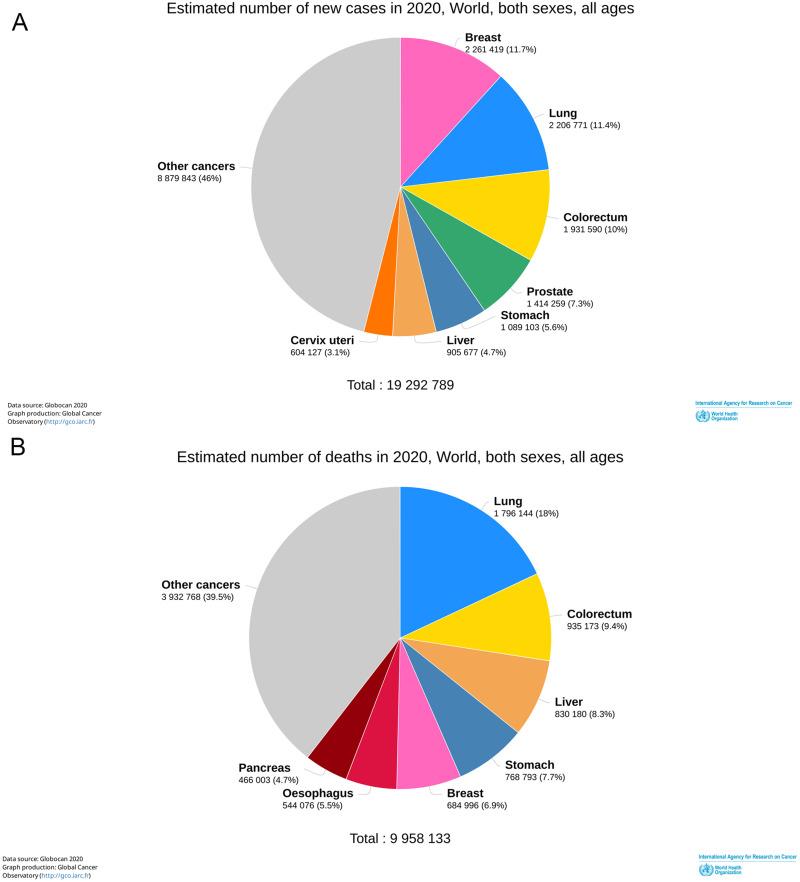
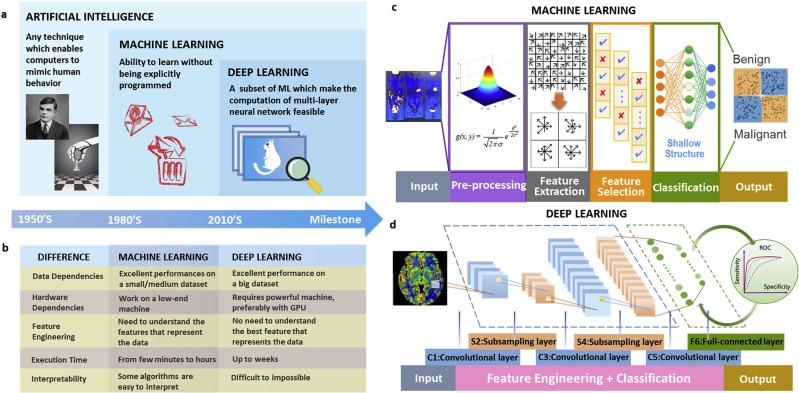
Cancer is a leading cause of morbidity and mortality worldwide. While progress has been made in the diagnosis, prognosis, and treatment of cancer patients, individualized and data-driven care remains a challenge. Artificial intelligence (AI), which is used to predict and automate many cancers, has emerged as a promising option for improving healthcare accuracy and patient outcomes. AI applications in oncology include risk assessment, early diagnosis, patient prognosis estimation, and treatment selection based on deep knowledge. Machine learning (ML), a subset of AI that enables computers to learn from training data, has been highly effective at predicting various types of cancer, including breast, brain, lung, liver, and prostate cancer. In fact, AI and ML have demonstrated greater accuracy in predicting cancer than clinicians. These technologies also have the potential to improve the diagnosis, prognosis, and quality of life of patients with various illnesses, not just cancer. Therefore, it is important to improve current AI and ML technologies and to develop new programs to benefit patients. This article examines the use of AI and ML algorithms in cancer prediction, including their current applications, limitations, and future prospects.
癌症是全球发病和死亡的主要原因。尽管在癌症患者的诊断、预后和治疗方面已取得进展,但个性化和数据驱动的医疗护理仍然是一项挑战。用于预测和自动化许多癌症情况的人工智能(AI)已成为提高医疗准确性和患者治疗效果的一个有前景的选择。AI在肿瘤学中的应用包括风险评估、早期诊断、患者预后估计以及基于深入知识的治疗选择。机器学习(ML)是AI的一个子集,它使计算机能够从训练数据中学习,在预测各种类型的癌症(包括乳腺癌、脑癌、肺癌、肝癌和前列腺癌)方面非常有效。事实上,AI和ML在预测癌症方面已证明比临床医生具有更高的准确性。这些技术还有潜力改善各种疾病患者(不仅仅是癌症患者)的诊断、预后和生活质量。因此,改进当前的AI和ML技术并开发新程序以造福患者很重要。本文探讨了AI和ML算法在癌症预测中的应用,包括它们目前的应用、局限性及未来前景。

 Zotero 插件