
肌母细胞炎症途径的表观遗传调控与子宫肌瘤风险。
Epigenetic Modulation of Inflammatory Pathways in Myometrial Stem Cells and Risk of Uterine Fibroids.
机构信息
Department of Obstetrics and Gynecology, University of Chicago, Chicago, IL 60637, USA.
Division of Health Equities, Department of Population Sciences, City of Hope, Duarte, CA 91010, USA.
出版信息
Int J Mol Sci. 2023 Jul 19;24(14):11641. doi: 10.3390/ijms241411641.
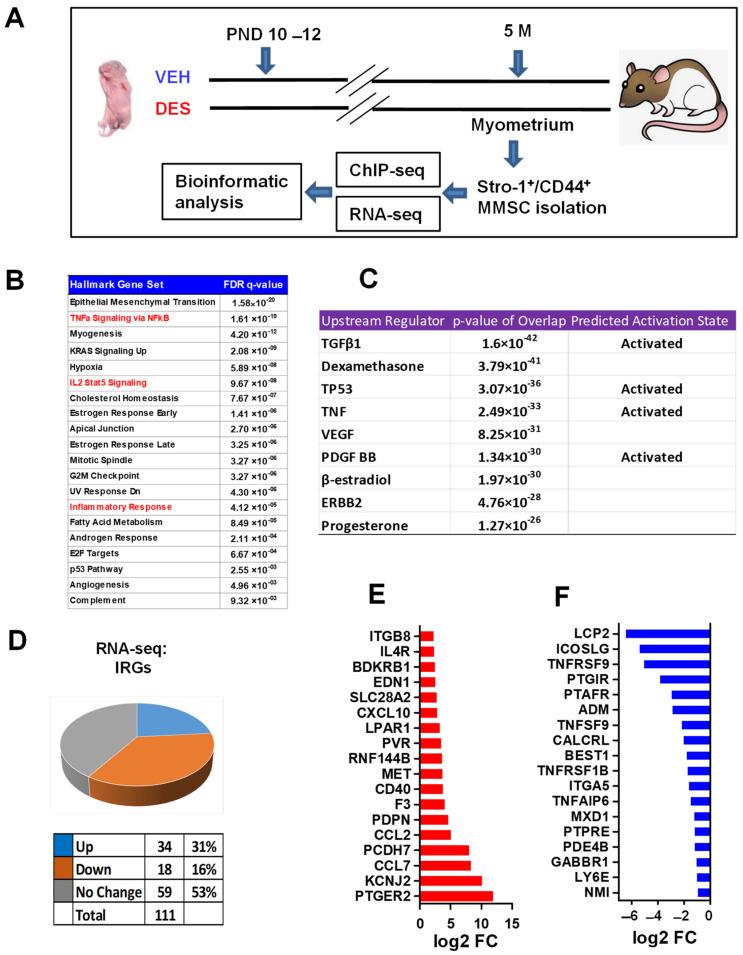
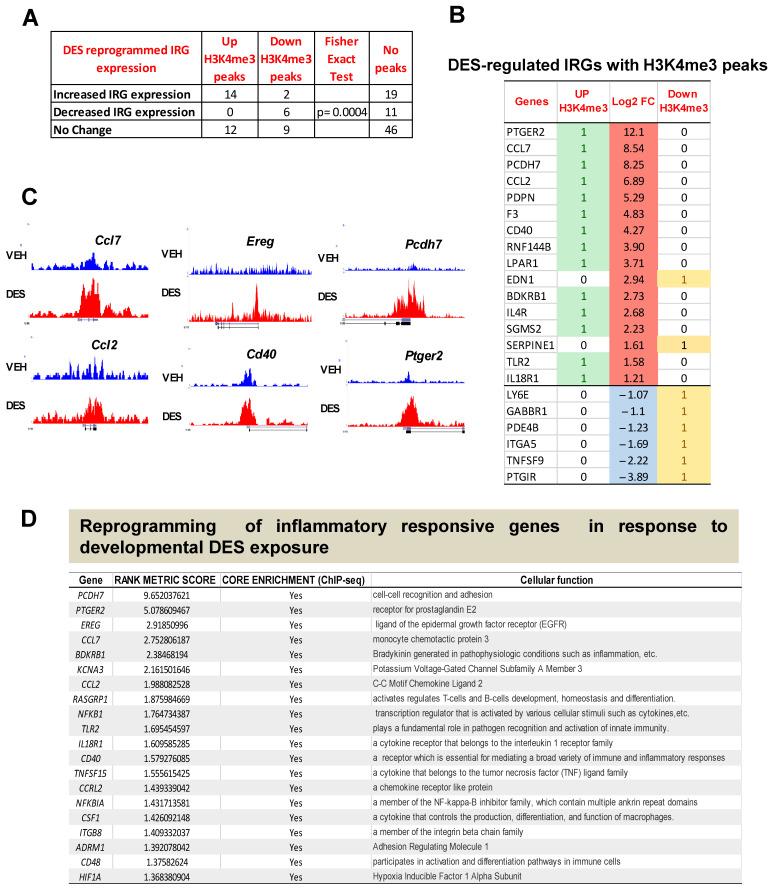
The period during which tissue and organ development occurs is particularly vulnerable to the influence of environmental exposures. However, the specific mechanisms through which biological pathways are disrupted in response to developmental insults, consequently elevating the risk of hormone-dependent diseases, such as uterine fibroids (UFs), remain poorly understood. Here, we show that developmental exposure to the endocrine-disrupting chemical (EDC), diethylstilbestrol (DES), activates the inflammatory pathways in myometrial stem cells (MMSCs), which are the origin of UFs. Significantly, the secretome of reprogrammed MMSCs enhances the expression of critical inflammation-related genes in differentiated myometrial cells through the paracrine mechanism, which amplifies pro-inflammatory and immune suppression signaling in the myometrium. The expression of reprogrammed inflammatory responsive genes (IRGs) is driven by activated mixed-lineage leukemia protein-1 (MLL1) in MMSCs. The deactivation of MLL reverses the reprogramming of IRG expression. In addition, the inhibition of histone deacetylases (HDACs) also reversed the reprogrammed IRG expression induced by EDC exposure. This work identifies the epigenetic mechanisms of MLL1/HDAC-mediated MMSC reprogramming, and EDC exposure epigenetically targets MMSCs and imparts an IRG expression pattern, which may result in a "hyper-inflammatory phenotype" and an increased hormone-dependent risk of UFs later in life.
组织和器官发育发生的时期特别容易受到环境暴露的影响。然而,对于生物途径如何响应发育损伤而被破坏,从而增加激素依赖性疾病(如子宫肌瘤(UFs))的风险,具体的机制仍知之甚少。在这里,我们表明,发育暴露于内分泌干扰化学物质(EDC)己烯雌酚(DES)会激活子宫肌瘤起源的子宫肌基质干细胞(MMSCs)中的炎症途径。重要的是,重编程的 MMSCs 的分泌组通过旁分泌机制增强了分化的子宫肌细胞中关键炎症相关基因的表达,从而放大了子宫肌中的促炎和免疫抑制信号。MMSCs 中混合谱系白血病蛋白-1(MLL1)的激活驱动了重编程的炎症反应基因(IRGs)的表达。MLL1 的失活逆转了 IRG 表达的重编程。此外,组蛋白去乙酰化酶(HDACs)的抑制也逆转了 EDC 暴露诱导的重编程的 IRG 表达。这项工作确定了 MLL1/HDAC 介导的 MMSC 重编程的表观遗传机制,并且 EDC 暴露对 MMSCs 进行表观遗传靶向,并赋予 IRG 表达模式,这可能导致“超炎症表型”,并增加日后激素依赖性 UF 的风险。



 Zotero 插件