
聚甲基丙烯酸甲酯的悬垂修饰以增强其抗光辐照稳定性
Pendant Modification of Poly(methyl methacrylate) to Enhance Its Stability against Photoirradiation.
作者信息
Sansul Shaymaa, Yousif Emad, Ahmed Dina S, El-Hiti Gamal A, Kariuki Benson M, Hashim Hassan, Ahmed Ahmed
机构信息
Department of Chemistry, College of Science, Al-Nahrain University, Baghdad 64021, Iraq.
Department of Chemical Industries, Institute of Technology-Baghdad, Middle Technical University, Baghdad 10074, Iraq.
出版信息
Polymers (Basel). 2023 Jul 9;15(14):2989. doi: 10.3390/polym15142989.
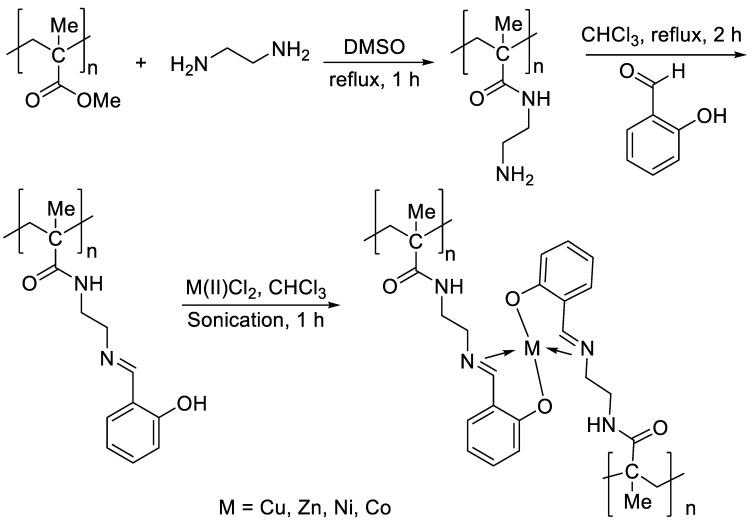
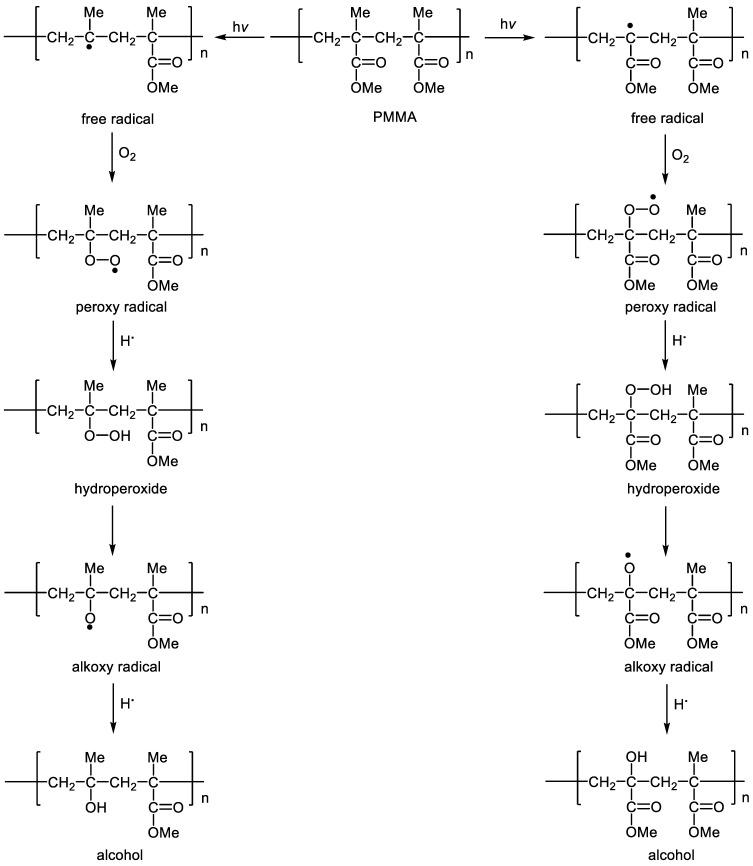
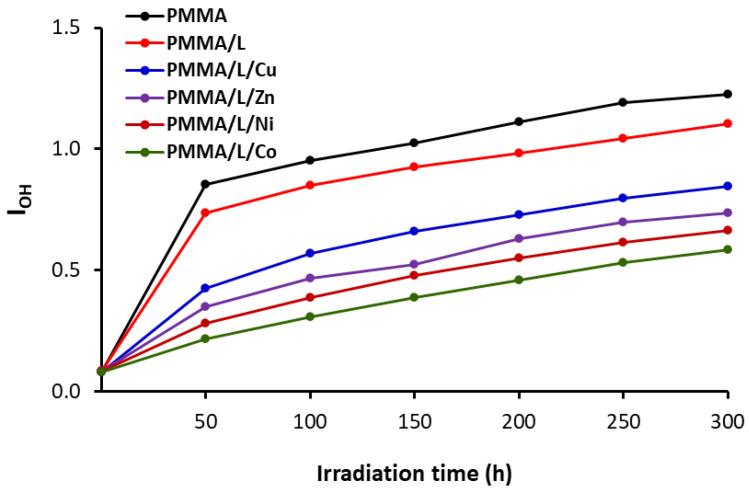
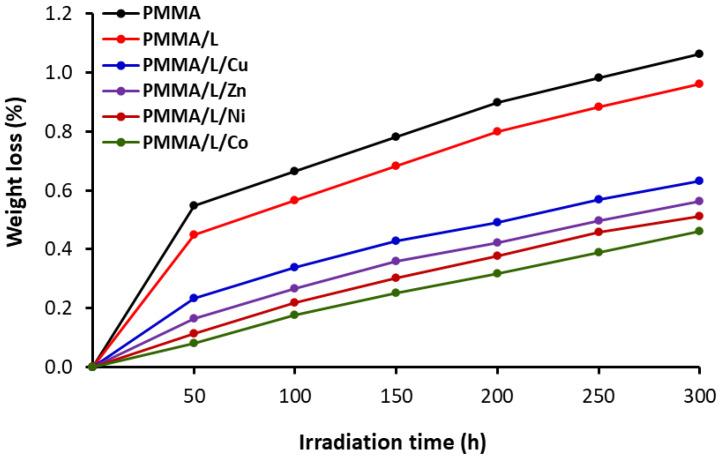
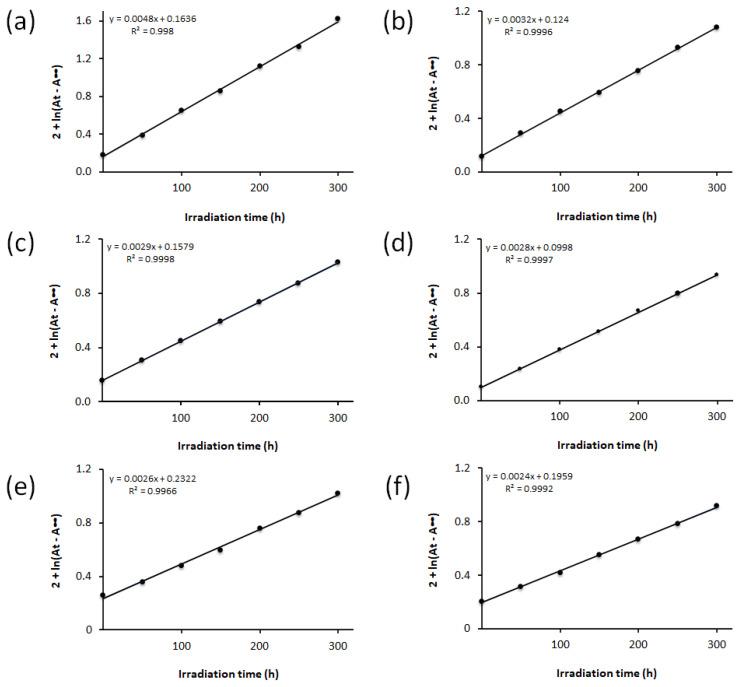
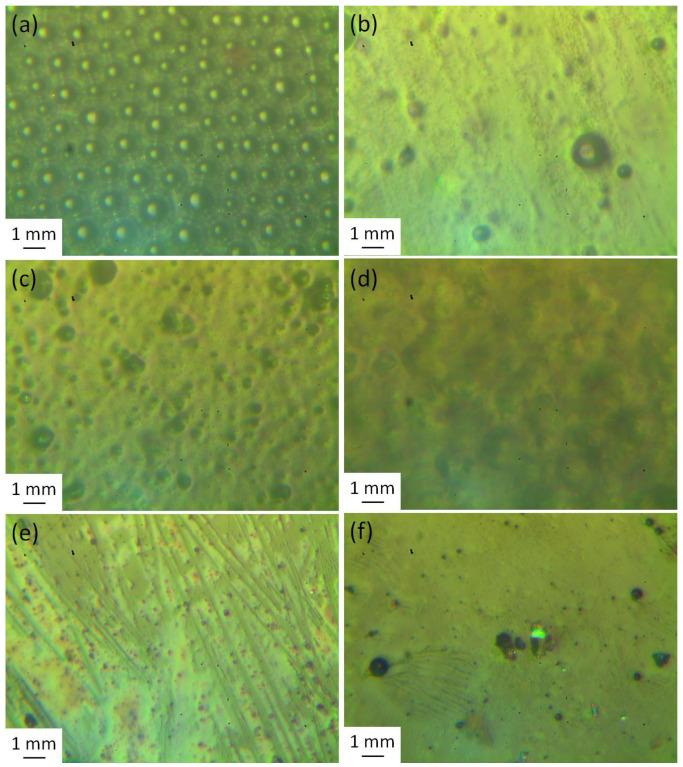
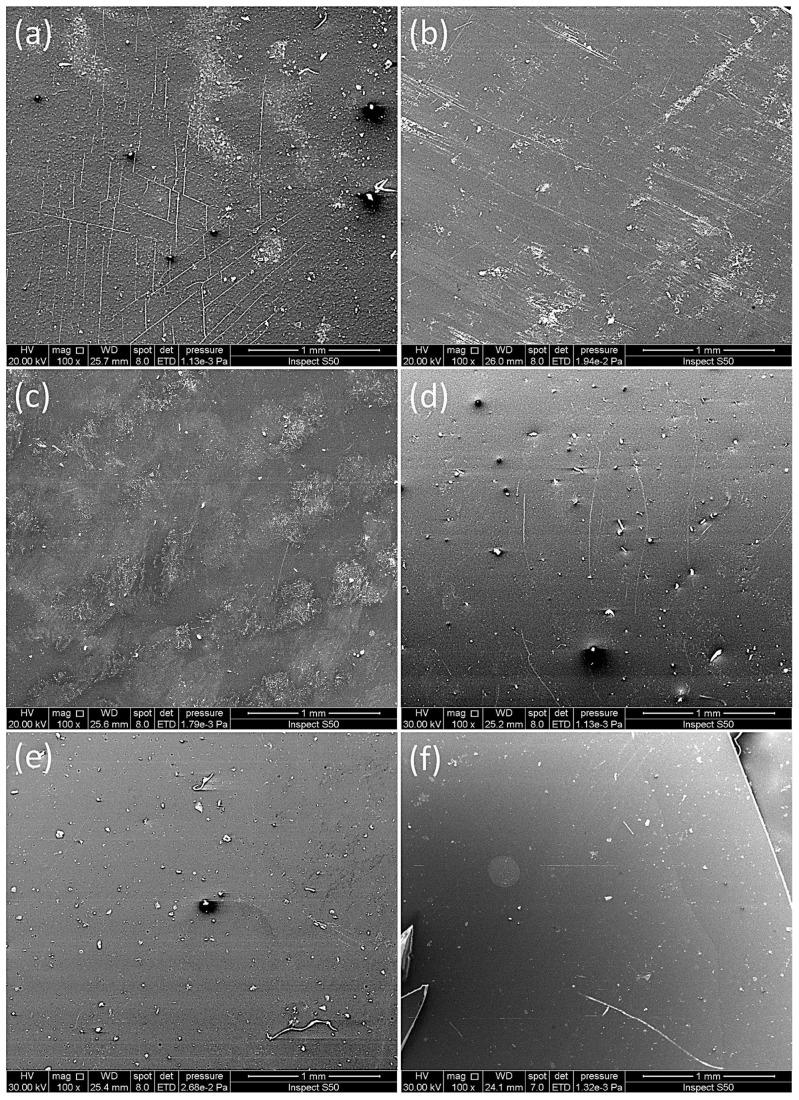
Photostabilization of functional polymeric materials is important for protection against aging and ultraviolet (UV) irradiation. There is, therefore, the impetus to modify polymers to increase their resistance to photodegradation and photooxidation on extended exposure to UV light in harsh conditions. Various polymeric additives have been designed and synthesized in recent years, and their potential as photostabilizers has been explored. Reported here is the effect of pendant functionalization of poly(methyl methacrylate) (PMMA) through organometallic moiety incorporation into the polymer's backbone. The reaction of PMMA with ethylenediamine leads to the formation of an amino residue that can react with salicylaldehyde to produce the corresponding Schiff base. Adding metal chlorides (zinc, copper, nickel, and cobalt) led to the formation of organometallic residues on the polymeric chains. Thin films of modified and unmodified PMMA were produced and irradiated with UV light to determine the effect of pendant modification on photostability. The photostabilization of PMMA was assessed using a range of methods, including infrared spectroscopy, weight loss, decomposition rate constant, and surface morphology. The modified PMMA incorporating organic Schiff base metal complexes showed less photodecomposition than the unmodified polymer or one containing the Schiff base only. Thus, the metals significantly reduced the photodegradation of polymeric materials. The polymer containing the Schiff base-cobalt unit showed the least damage in the PMMA surface due to photoirradiation, followed by those containing nickel, zinc, and copper, in that order.
功能性高分子材料的光稳定化对于抵御老化和紫外线(UV)辐射至关重要。因此,存在一种动力去改性聚合物,以增强其在恶劣条件下长时间暴露于紫外光时对光降解和光氧化的抗性。近年来,人们设计并合成了各种高分子添加剂,并探索了它们作为光稳定剂的潜力。本文报道了通过将有机金属部分引入聚甲基丙烯酸甲酯(PMMA)主链来实现侧基官能化对其的影响。PMMA与乙二胺反应会生成一个氨基残基,该残基可与水杨醛反应生成相应的席夫碱。加入金属氯化物(锌、铜、镍和钴)会导致在聚合物链上形成有机金属残基。制备了改性和未改性PMMA的薄膜,并用紫外光照射以确定侧基改性对光稳定性的影响。使用一系列方法评估了PMMA的光稳定化,包括红外光谱、重量损失、分解速率常数和表面形态。含有有机席夫碱金属配合物的改性PMMA比未改性聚合物或仅含席夫碱的聚合物表现出更少的光分解。因此,金属显著降低了高分子材料的光降解。含席夫碱 - 钴单元的聚合物在PMMA表面因光照射而受到的损伤最小,其次依次是含镍、锌和铜的聚合物。

 Zotero 插件