
铁过载以性别依赖的方式诱导老年小鼠和原代培养的脑内皮细胞衰老。
Iron overload induces cerebral endothelial senescence in aged mice and in primary culture in a sex-dependent manner.
机构信息
Department of Neurology, McGovern Medical School at the University of Texas Health Science Center at Houston, Houston, Texas, USA.
Solomont School of Nursing, Zuckerberg College of Health Sciences, University of Massachusetts Lowell, Lowell, Massachusetts, USA.
出版信息
Aging Cell. 2023 Nov;22(11):e13977. doi: 10.1111/acel.13977. Epub 2023 Sep 7.
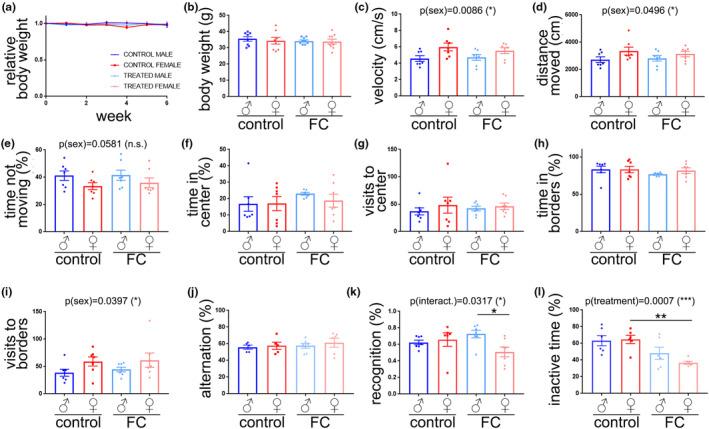
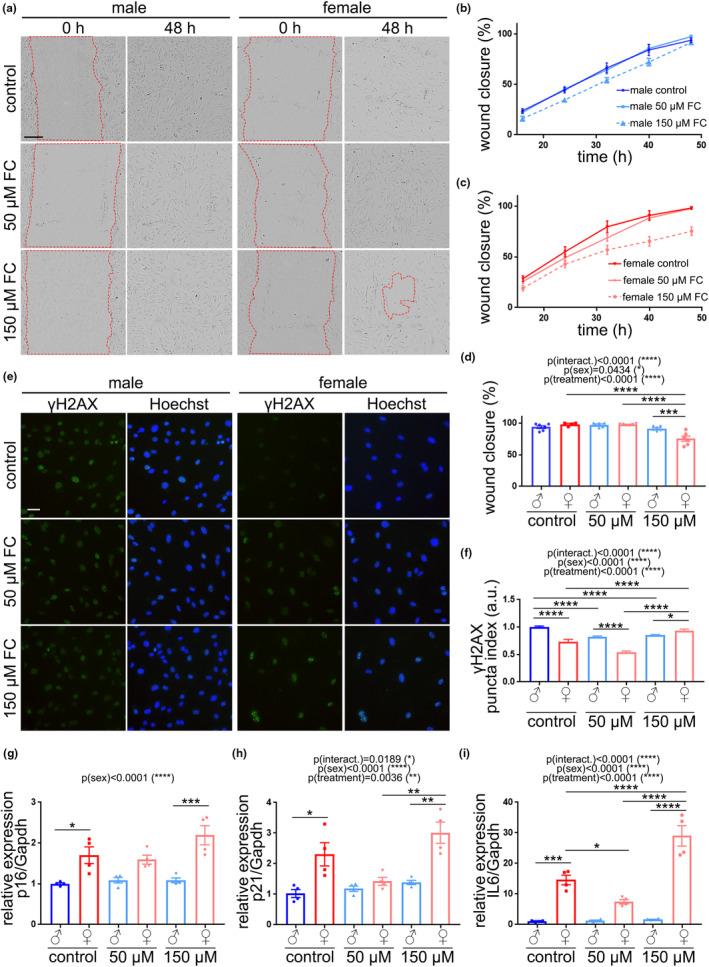
Iron imbalance in the brain negatively affects brain function. With aging, iron levels increase in the brain and contribute to brain damage and neurological disorders. Changes in the cerebral vasculature with aging may enhance iron entry into the brain parenchyma, leading to iron overload and its deleterious consequences. Endothelial senescence has emerged as an important contributor to age-related changes in the cerebral vasculature. Evidence indicates that iron overload may induce senescence in cultured cell lines. Importantly, cells derived from female human and mice generally show enhanced senescence-associated phenotype, compared with males. Thus, we hypothesize that cerebral endothelial cells (CEC) derived from aged female mice are more susceptible to iron-induced senescence, compared with CEC from aged males. We found that aged female mice, but not males, showed cognitive deficits when chronically treated with ferric citrate (FC), and their brains and the brain vasculature showed senescence-associated phenotype. We also found that primary culture of CEC derived from aged female mice, but not male-derived CEC, exhibited senescence-associated phenotype when treated with FC. We identified that the transmembrane receptor Robo4 was downregulated in the brain vasculature and in cultured primary CEC derived from aged female mice, compared with those from male mice. We discovered that Robo4 downregulation contributed to enhanced vulnerability to FC-induced senescence. Thus, our study identifies Robo4 downregulation as a driver of senescence induced by iron overload in primary culture of CEC and a potential risk factor of brain vasculature impairment and brain dysfunction.
脑内铁失衡会对脑功能产生负面影响。随着年龄的增长,脑内铁含量增加,导致脑损伤和神经紊乱。衰老导致脑血管变化,可能会增强铁进入脑实质,导致铁过载及其有害后果。内皮细胞衰老已成为与年龄相关的脑血管变化的重要因素。有证据表明,铁过载可能会诱导培养细胞系衰老。重要的是,与男性相比,来自女性人类和小鼠的细胞通常表现出增强的衰老相关表型。因此,我们假设与年龄相关的雌性小鼠来源的脑内皮细胞(CEC)比来自年龄相关雄性小鼠的 CEC 更容易受到铁诱导的衰老。我们发现,慢性给予柠檬酸铁(FC)的老年雌性小鼠出现认知缺陷,其大脑和脑血管表现出衰老相关表型。我们还发现,来自老年雌性小鼠的原代 CEC 培养物在给予 FC 时表现出衰老相关表型,而来自雄性的 CEC 则没有。我们发现,与来自雄性小鼠的 CEC 相比,Robo4 在大脑血管和源自老年雌性小鼠的原代 CEC 中表达下调。我们发现 Robo4 的下调导致对 FC 诱导的衰老的易感性增强。因此,我们的研究表明 Robo4 下调是铁过载诱导原代 CEC 衰老的驱动因素,也是脑血管损伤和脑功能障碍的潜在危险因素。



 Zotero 插件